

Mooring bollards serve as essential load-bearing points. You will find them within HIEVER’s marine cleat and bollard range. These fittings transfer mooring-line forces safely into a dock, pier, berth, or vessel structure. Cross bollards and double horn bollards can both secure ropes effectively. However, their unique shapes influence how lines are routed. The shape also affects how crews tie off and how the base handles stress. Therefore, your choice must depend on the actual working setup rather than just visual appeal.
What Is the Role of a Mooring Bollard?
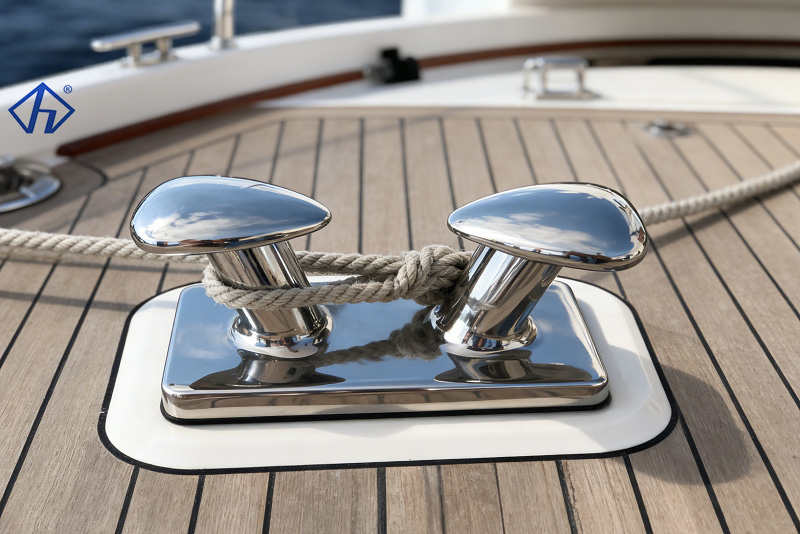
A mooring bollard provides a strong fixed anchor point. Crews use it to place, redirect, or secure a rope. The overall performance of this hardware relies on several factors. These include the line angle, mounting plate, and fasteners. The strength of the backing structure and the expected vessel movement play crucial roles as well.
How Does a Cross Bollard Work?
A cross bollard features a central body equipped with opposing arms. This layout naturally creates multiple rope paths. Consequently, an operator gains more than one option to lead a line. This setup helps organize spring, bow, or stern lines within a very compact footprint. It proves highly useful when a boat or dock requires a versatile tie-off point. It achieves this without relying on a large, projecting horn.
What Are the Practical Benefits of a Cross Design?
The primary advantage lies in routing flexibility. A rope can approach the fitting from various directions. At the same time, it remains securely captured around the central post. Furthermore, a properly designed base spreads the applied force across all its mounting points. This prevents the hardware from relying on just one narrow contact area. HIEVER’s single cross bollard is crafted from AISI 316 stainless steel. It features a bright mirror-polished surface. The product has 62 × 62 × 85 mm dimensions. These traits make the model an excellent fit for tight mooring locations. It works perfectly when those dimensions align with your specific installation needs.
How Does a Double Horn Bollard Differ?
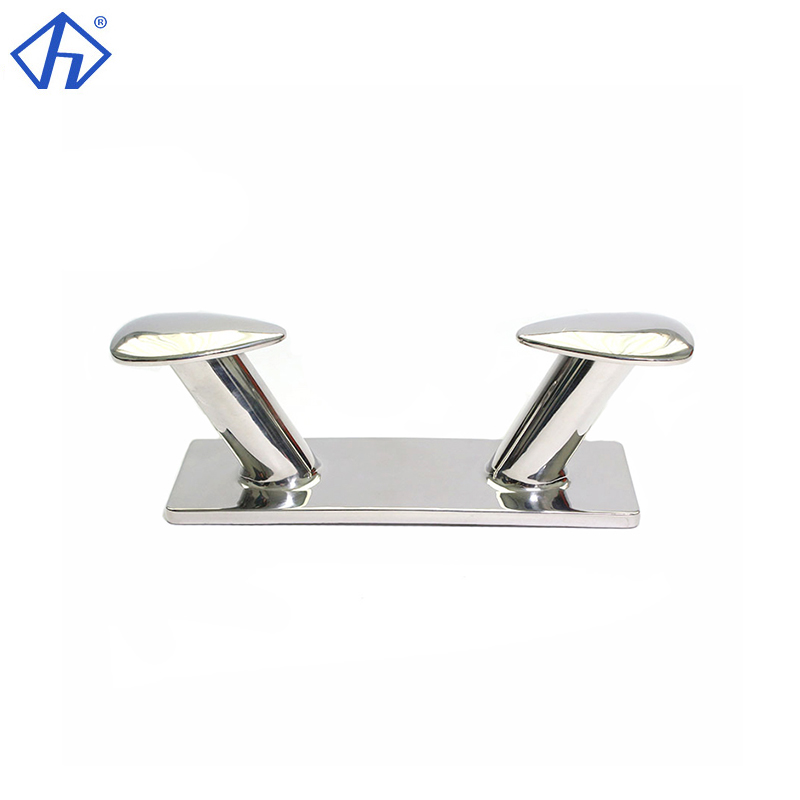
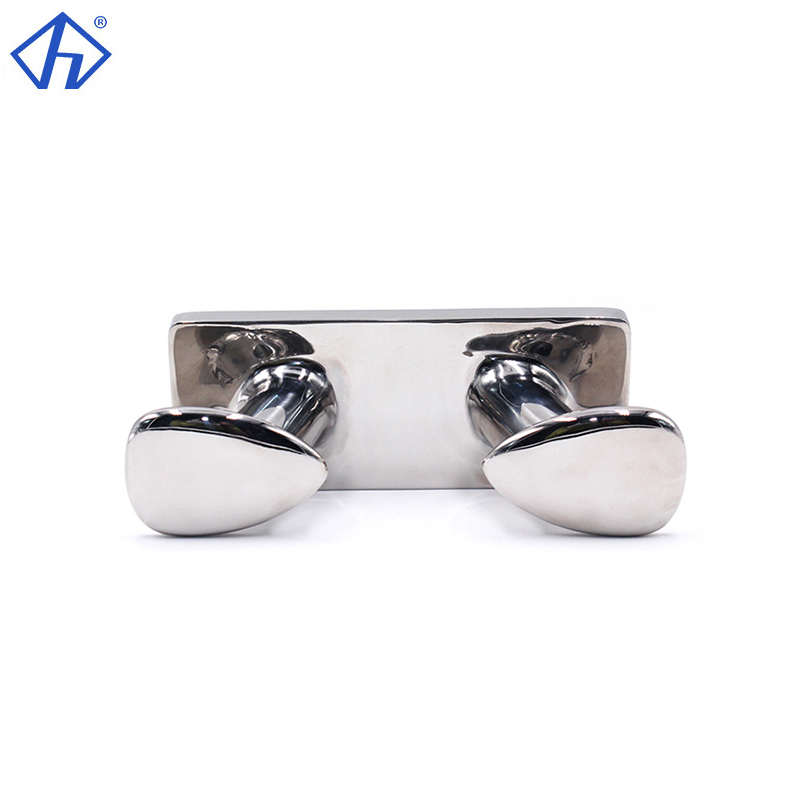
A double horn bollard features two distinct, horn-like ends. These extensions help keep a rope firmly on either side of the main body. HIEVER offers a verified double horn bollard model designed for yacht and dock applications. This classic shape is quite common on docks and larger berths. It provides a very clear area to wrap and divide multiple lines. It stands out as a practical option when the crew manages various mooring directions. It is also ideal when the hardware needs to offer a highly visible line-retention profile during frequent docking tasks.
When Should Buyers Choose a Cross Bollard or a Double Horn Bollard?
The ideal choice depends entirely on your specific mooring layout. There is no universal ranking to follow. You should start by looking at the line path and the supporting structure. After that, compare the working space required by each fitting.
Compare Line Direction and Working Space
A cross bollard often appeals to buyers dealing with tight spaces. It works well when multiple approach angles must fit into a small area. Its lower profile provides a distinct advantage. This matters greatly when deck clearance or walkway space is limited by nearby gear. On the other hand, a double horn bollard might be the better option for certain setups. It shines when ropes require clearly separated wrapping zones. Operators also prefer it when they need a prominent horn for constant line handling. Sometimes, the line lead shifts direction before it reaches the bollard. In that situation, you should check if a marine bow chock is necessary. This extra part will help guide and shield the rope. In every scenario, always ensure the rope can be attached and removed easily. Avoid creating sharp bends or allowing the line to rub against nearby hardware.
Match the Bollard to the Vessel and Berth
Different marine environments involve unique mooring patterns. Small craft, fishing-port gear, and inland-waterway vessels all have distinct needs. Private yacht berths and water-operation platforms also vary greatly. A compact bollard might fit perfectly on a small berth. However, it could fail completely in a heavy-duty commercial setting. Buyers must assess several environmental factors. These include vessel displacement, windage, water current, and wave action. Surge forces, line size, and the use of shared lines also require attention. Product dimensions serve only as an initial guide. They can never replace a proper structural load review.
Consider the Base and Fastening Arrangement
The base is responsible for transferring line tension directly into the deck, dock, or support structure. You need to examine the footprint and the hole pattern carefully. Also double-check the edge distance, fastener size and backing plate specs. Make sure you’ve got enough space to tighten the bolts. A shiny, polished fitting mounted on a weak surface will never provide safe mooring. When working on retrofit projects, always measure the current footprint. You must also inspect the condition of the surrounding material. For new construction, make sure to display the bollard, backing plate, and load path clearly on the same engineering drawing.
Which Material and Finish Suit Marine Mooring Hardware?
Mooring hardware faces harsh conditions daily. It can stand up to salt spray, high humidity, heavy rain, and constant wear from ropes. The equipment also sees repeated wet and dry cycles. That’s why we use AISI 316 stainless steel for such harsh environments. It’s far more resistant to chlorides than 304. Picking the right material is just the first step though. That choice must be backed by precise casting and strong threads. Clean surfaces and the use of compatible fasteners are equally vital.
Why Does Surface Finish Matter?
A bright mirror-polished finish delivers the premium look expected on luxury yachts. It also makes everyday cleaning tasks much simpler. Yet, this smooth surface does not eliminate the need for proper drainage. Routine inspection and active corrosion control remain necessary. Hidden crevices near the base can trap salt easily. Damaged polish and contact with different metal types will quickly reduce the product’s lifespan. Buyers must clearly specify both the material grade and the desired finish. Afterward, they should establish a clear plan for cleaning and inspecting the hardware once installed.
How Should Buyers Check the Mooring System Before Ordering?
A thorough purchase request needs to include specific details. It should list the vessel or berth type, along with the rope diameter and material. You must mention the expected line directions and the exact fitting quantity. Describe the mounting surface, the available footprint, and the fastener layout. Also, state the preferred material, finish, and the daily operating environment. Supplying drawings or photos with accurate measurements is extremely helpful. This visual data is much better than providing just a product name. Sometimes, the bollard belongs to a larger dock or deck system. In that case, include details about nearby cleats, fairleads, and chocks. Show the access zones as well. This information allows the supplier to check for potential interference and verify the line path.
What Can OEM Buyers Ask a Mooring Bollard Supplier to Confirm?
HIEVER’s verified Mooring Bollard product range features both cross bollard and double horn bollard styles. OEM buyers should request several confirmations from their supplier. Ask them to provide material certificates and exact dimensional tolerances. Request clear details regarding mounting holes, casting quality, and polishing standards. Packaging protection and sample approval procedures are also essential topics. These verification steps are incredibly important. They matter most when a bollard needs to align with an existing hole pattern. They are equally crucial when integrating the hardware into a brand-new deck layout.
If you have a compact application, take time to review the verified single cross bollard product page. The highlighted model is built from sturdy AISI 316 stainless steel. It’s supplied with full mirror polish, size 62 × 62 × 85 mm. A double horn design needs to be judged using the exact same project criteria. You should never select it simply because it looks bigger or heavier. Always send the intended load data and mounting specifics to the supplier. Do this before asking them for a final product recommendation.
Conclusion
Both cross bollards and double horn bollards function as highly effective marine mooring hardware. However, they address slightly different rope handling and space challenges. Cross designs focus heavily on compact, multi-directional line routing. Meanwhile, double horn designs deliver a much clearer separation and retention profile. This makes them great for constant line handling. Some buyers might compare a bollard directly with a boat cleat. In this situation, you must compare the line path and the mounting structure carefully. Never treat these two distinct fittings as simple drop-in replacements for one another. Your final decision needs to account for line direction and vessel movement. Think about the berth layout, base footprint, and the strength of the backing structure. Material selection, surface finish, and future inspection accessibility all matter a lot. The best way is to send over a detailed RFQ together with your technical drawing. This allows the manufacturer to match the bollard to the actual load path and installation site. It prevents them from merely supplying a fitting based on looks alone.
FAQs
Are Cross Bollards and Double Horn Bollards Interchangeable?
No, they can’t simply replace each other.Their specific rope paths, base footprint, and overall height often vary. Their mounting requirements can differ significantly as well. Therefore, any replacement project must start with precise measurements. You must also conduct a thorough review of the current line arrangement.
Is AISI 316 Stainless Steel Enough to Confirm Bollard Quality?
No, the material alone doesn’t guarantee good bollard quality.The material grade is certainly important. However, overall performance relies on many other details. Casting quality, precise dimensions, and strong fasteners matter immensely. The backing plate, surface condition, and the integrity of the supporting structure also dictate success.
Which Bollard Is Better for a Small Yacht Berth?
A compact cross bollard usually works well when available space is tight. It is especially useful if ropes approach from multiple angles. Even so, the final choice depends heavily on the expected physical loads. You must also factor in the rope size and the overall strength of the mounting structure.
What Should Be Included in a Mooring Bollard RFQ?
You need to include details about the specific application and the intended line size. Always state the expected load case. Describe the mounting surface, including its total thickness. Provide the required footprint, hole pattern, material, and desired finish. Finally, list the order quantity, attach technical drawings, and mention any target market or compliance requirements.
Can a Mooring Bollard Be Customized?
Yes, customization is entirely possible. OEM projects frequently demand a unique footprint or a specific height. You may also need a unique hole layout, special surface finish, or custom shape for the rope contact area. We highly suggest you share a dimensioned drawing or physical sample. This helps the supplier assess and manufacture your custom design correctly.




Leave a comments