

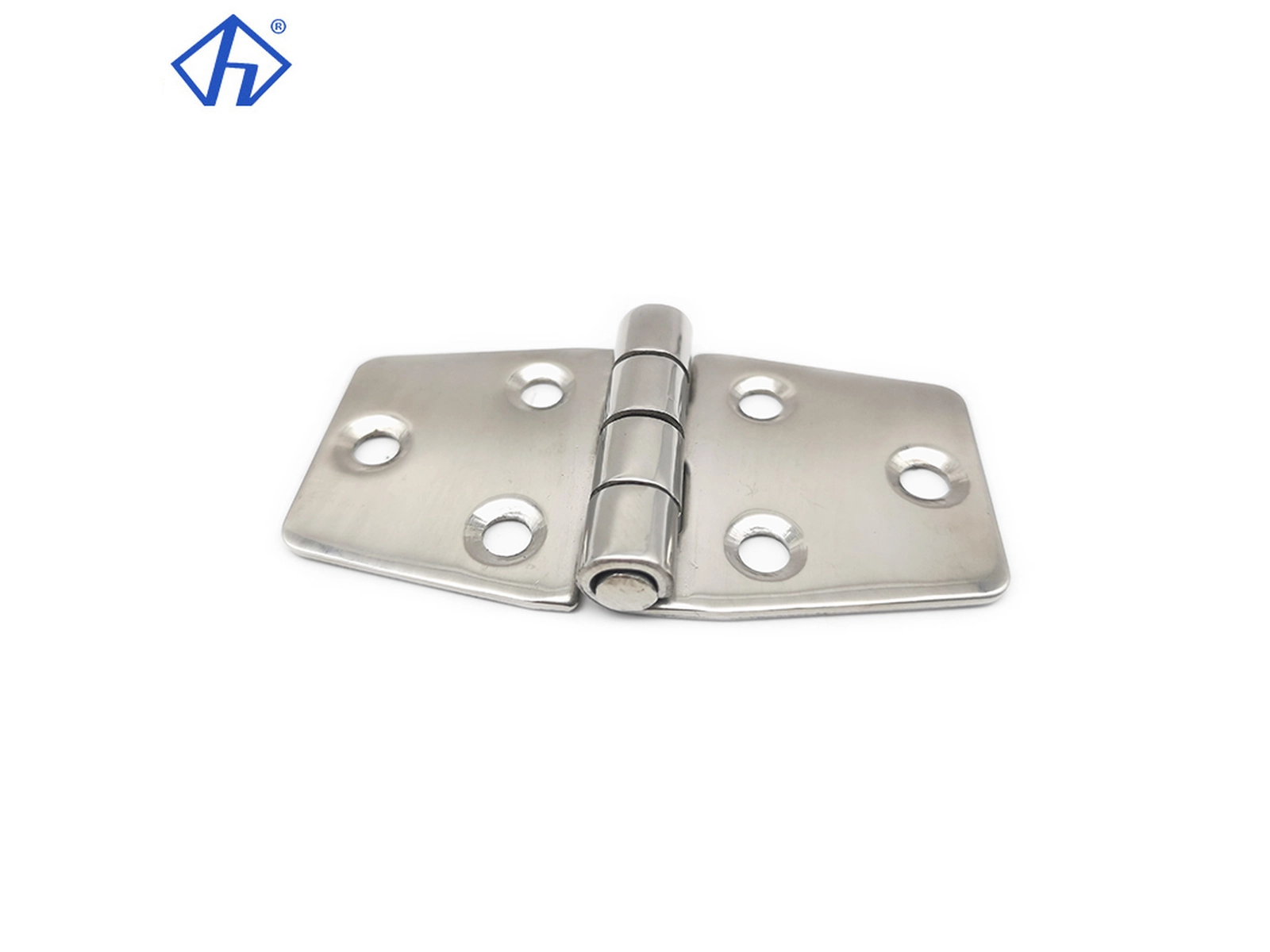
A new stainless hinge may fit the old screw holes,but it perhaps jam when you open the hatch. It’s usually a size issue: leaf width, knuckle center and mounting depth vary by different producers,thus the two hinges that look similar in one catalog are not replacable for the boats and industrial equipments.
These little physical details are hugely important when working on a boat. This same reasoning applies to any outdoor cage that is subject to the elements. The metallurgical grade of the specific metal has extreme importance in these harsh, rainy environments. The additional physical environment around you creates an even more complicated layer to your comparing process as a whole. The immediate physical environment adds yet another catch in the procedure of comparison.
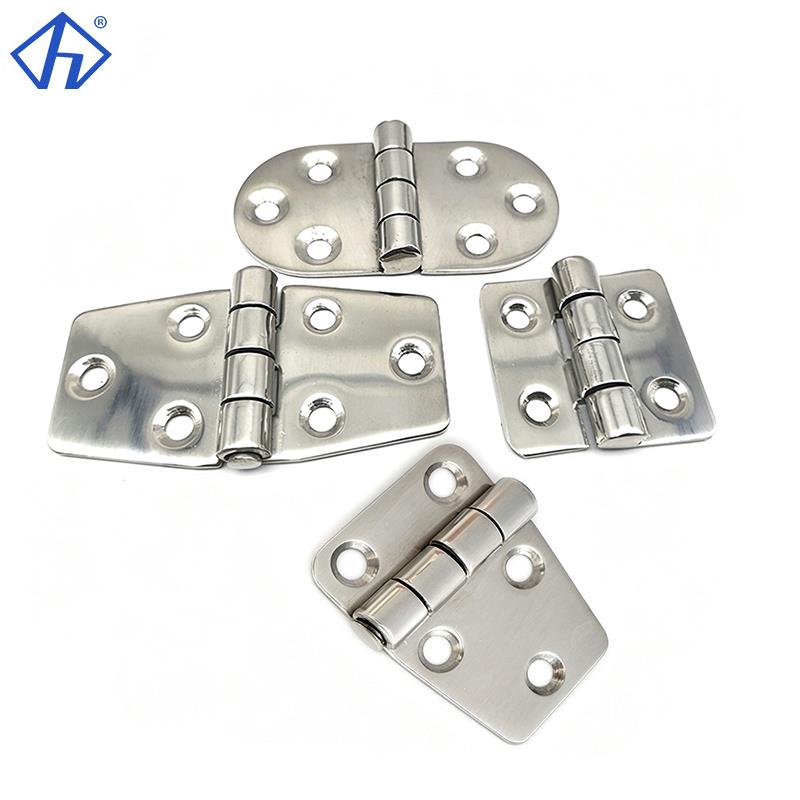
HIEVER supplies stainless steel marine hardware produced by both casting process and stamping process, with models and sizes that covering marine and heavy-duty industrial use.Stamped stainless hinges are widely used for applications ,such as marine, industrial,furniture ,etc.For Hiever full range products ,please click the link for your reference: stainless steel hardware.
And it needs a careful look at the specific motion that involves into putting the door away. Do not fall into a common pitfall as a buyer Don’t just immediately leap to the conclusion large casting is far superior. Similarly, don’t expect a stamped construction to be an automatic no-brainer better choice. Every body manufacturing technique brings distinctly varying beneficial bodily qualities.
What Specific Dimensions Must You Measure Before Requesting a Quote?
Remove the old, broken hinge physically first (if feasible). As soon as the piece is off of the boat, spend time to document down its specific overall length. You will need to take a measurement from open edge to open edge across the width. Remember to use calipers for specific leaf thickness!! In addition, it is important to keep accurate records of the drilled hole measurements. Note the screw hole diameter as well. Finally, make note of the arrangement on the pins inside the main barrel.
Immediately after writing these notes, go grab your camera or phone. Take pictures of the metal part from both sides, front and reverse. For scale, be sure to put a physical measuring ruler right next it. Then look at the mounting surface of your boat. Take a note whether this part is totally flat fiberglass or wood. But maybe the deck is not quite flat instead? Or it could be deep within the frame. You must also document if any of the hardware sits up high compared to surrounding deck area. It might sit flat or even slightly below the surface of a neighboring cabin door.
How to Properly Identify the Underlying Mounting Substrate
Take a second or two to record how the screws or bolts sit in and around the base deck. Instruction Find out if these metal fasteners cleanly cut their way through a structurally-supported board of wood. And sometimes they tap right into a solid piece of aluminum instead. In other instances, they just come to an end deep in totally unfathomable dark backing region. You must identify the fastener size currently, as is. Meanwhile, determine the available screw head clearance on top.
Over the years saltwater corrosion can cause significant unseen damage. This rough, soggy decomposition would have greatly expanded the holes of any screw drilling done on the original. It could also have decomposed or rotted the underlying core substrate material. However, should such moisture damage exist, then your goals will become a little more complex. The last structural stopgap may indeed call for far more than simply sourcing a basic like-for-like aluminum part.
HIEVER stainless has officially completed its range of stamped and cast outlet hardware. Now, you will need to collect all the detailed physical proportions of yours. Pack away those straight hard numbers with an actual literal description of the local weather environment it will be used in. Reply back with an initial sales inquiry containing this combined data. This background will help the supplier come to understand what models are most relevant and suitable for your vessel right away. Never consider a generic website category page to be the definitive, ultimate answer. Most certainly not as a dimensional drawing. It is only an infographic, not the schema for a particular high-resolution object.
Under What Conditions Might a Stamped Hinge Serve as a Practical Fit?
Generally, a stamped hinge is actually pressed and formed directly out of flat sheet material. For many regular, day to day applications this simple manufacturing style could fit the bill just perfect. It can do this very effectively whenever the geometry it provides aligns well with what you want to make in door assembly. Your physical hardware also needs to match up, in other words you must be able to fit the stated structural load requirements.
HIEVER has broadened its comprehensive product range and at present, they have a stamped stainless butt hinge quite mainstream on their listing. You have to literally check their official published model specifications. Go ahead and compare these numbers directly to your old broken fitting that is presently mounted. Assume nothing, it can be deadly blind. Please do not take the phrase on a paper label as implying total ocean safety. The same caution applies for guesstimating the maximum load capacity. The word “stainless” alone says little without the alloy grade behind it.
When Should You Thoroughly Assess a Cast Hinge?
More intricate structural jobs may also require for a heavier cast construction to be seriously looked into. This goes especially where the prescribed physical form requires it.
This commercial catalogue also has many more heavy duty casting stainless hinges from HIEVER. With all of your chosen, selected model from childhood or until now you have to practically evaluate it. By visualising it through its real, final assembly context. Most of the time, these cheap looking metal fitting supports a super heavy and critical structural hatch. In other cases it is used to support a busy, moving mechanical part. n many installs, one of these fittings carries a heavy structural hatch or a frequently moved part. For hinges that carry heavy or load-bearing hatches, consult a qualified marine designer or the original equipment manufacturer. Specifically ask about the load limits and the fastener required for that opening.
How Exactly Should You Review and Verify Marine Material Claims?
Airborne salt in heavier amounts will be corrosive to bare metal very quickly. Worse is the moisture deeply embedded and concealed. Those thin protective layers are often stripped away by chemical cleaning products. Rapid decay due to galvanic contact between mixed metals,even a complex tight geometry of crack can have serious effects on corrosion exposure.
Always, always ask the vendor a particular material question. Request precisely that which metal grade is relevant to the hardware part. This grade should also cover the other hidden pin in the middle. This cannot only apply to the large shiny noticeable leaves. You also have to validate what will be inside your proposed hardwares. The next step is to be able to check if the new bolts are attracting different base metals.
You’ve really got to not take for granted the completely interchangeable nature of common 304 and premium 316 alloys. There is no way they perform the same across every single geo. You need to demand your specific local saltwater environment. You should check selected metal grade properly. Do this with an experienced, qualified technical buyer.
It is the same with essential solid duly recorded evidence confirming some major refit project without exception. Cases as rigid as these, a certified and stamped material certificate is simply must. An official supplier declaration letter can also perform this vital function. Well this formal document probably should define the true product that was shipped. It should also mention the purchase order that is tied to your boat.
What Exactly Should a Physical Replacement Sample Prove?
You have to check the actual drilled hole centres. Verify the square foot footprint area of outer physical envelope. Confirm the actual, measured thickness of the leaf. Also, do not forget to have ample swinging space. Finally, make sure that you confirm the original direction of opening only when it is necessary.
At this point, put the new thing through its paces. Secure it to a scrap piece of typical wood or fiberglass substrate. Make a quick wooden test jig if required. Stick to your planned screw pattern for this test. This hands-on check will verify whether the parts mate properly.But there is just one major thing that you need to keep in mind.
Put the unit in your hand and set up how it operates. Push it all the way through its intended swing arc. While doing so, constantly monitor your surroundings in case there are any means of physical sabotage.
For example, some of you may have large rubber weather seals or heavy metal latches on the door now. Then you have to test the entire, complete opening assembly as a unit. You will have the best and unique physical sample ID number which must be saved up. Wire this ID to the official quote from the vendor directly. Connect it tightly to the final purchase order. All of this strict documentation saves one from a huge headache at the point of time when they are badly needed. It prevents a lower-cost but similar-looking alternative from being substituted in the shipment without an engineering review.
Maybe you need a completely new custom dimension for an odd hatch. Otherwise, you need to send a clear labelled dimensional drawing of the engineering. Never accept anything but a formal, written factory confirmation on the manufacturing tolerances we have both agreed. You need to communicate your measurement baseline with laser-like precision to the machinist. Be clear whether the written numbers mean that unit in a completely closed position Take care to indicate if they apply when the unit is in a complete swung open configuration. Specify whether the width is directly across from raised center knob.
This prevents the busy buyer, as well as distant suppliers from unintentionally comparing two completely different physical geometries.
How Can the Procurement Team Avoid Making an Incomplete Comparison?
The purchasing office should utilize only one single, distinct Request for Quote (RFQ)/ purchase order per each unique design alternative. Clearly mention the quantity of pieces needed in this document. Please include the obligatory grade of metal material. A signed, clear engineering drawing with dimensions. Indicate the desired end surface finish. Mention any required quality certification documents. Explain how you like to pack and the shipping delivery destination.
A per-unit saving on the hinge itself can disappear quickly. If you choose the cheaper,you might no need to pay extra for yard labor. You will no need a new mounting solution to be designed from scratch, and those savings disappear right away.
No matter requirement of the marine stainless hardware, For any marine stainless hardware requirement, HIEVER provides direct product support and quotation service. When you need to contact, only do so with the real-life, broken failed part. Upload your crisp, well lit digitial photographs. Lovingly included drawing in full dimensions.
FAQs
Q1: Is it possible to safely select a brand new marine hinge based merely on a digital photograph?
A1: A digital photo obviously assists a supplier in pin pointing the general product family. Yet a simple picture can not tell precise drilled hole centres. This does not represent real metal thickness. It cannot discover swinging clearance, or authenticate which alloy grade. Q2: Is a heavy cast hinge always stronger than a lighter stamped one?
A2: The basic manufacturing construction type alone absolutely does not establish the final bolted assembly’s overall strength. You cannot rely on that assumption. Instead, you must carefully review the specific, individual part model. Check the exact metal material used.
Q3: Is it a strict rule that a shiny stainless hinge must only use stainless screws and fasteners?
A3: Your fastener selection should always be verified against the base deck substrate material as your end all,be all. The local marine environment is also quite harsh, which you have to consider.



Leave a comments