

Keep the old deck plate nearby when you shop for a new one. A basic label like “6 inch” offers a good starting point. However, it fails to show the cutout size. It also hides the rim dimensions and the actual clear opening under the lid. Furthermore, it reveals nothing about the space below the deck. These specific details determine a lot. They dictate whether your new part fits the current hole. You might need to grab a drill and extra sealant. Here is a way to guide your selection process before you start the installation.
Remove the old cover first, provided you can do so safely. Take clear pictures of its top and bottom surfaces. Next, measure the main opening. You should also write down what tools or hands must pass through that gap. Taking a few quick notes right next to your boat helps immensely. This approach works much better than trying to recall a specific product name later at your desk.
Where Should You Start with the Size?
Begin by checking the dimensions currently found on your boat. After that, the product page will help resolve any leftover sizing questions.
What Does the Product Page Confirm?
An aged fitting might appear scratched or heavily worn. Still, it provides highly valuable information. Start by measuring the exact cutout in your deck. Next, check the outer rim. Then, evaluate the clear opening located beneath the lid. You must treat these as totally separate dimensions. They often seem identical on smaller plates, but they differ. You also need to record the hole diameters. Measure the gap between the centers of the fixing holes. Check the width of the solid deck surrounding the outer edge. Suppose the original holes look stretched or sit near a damaged section. You must mention that detail in your supplier request.
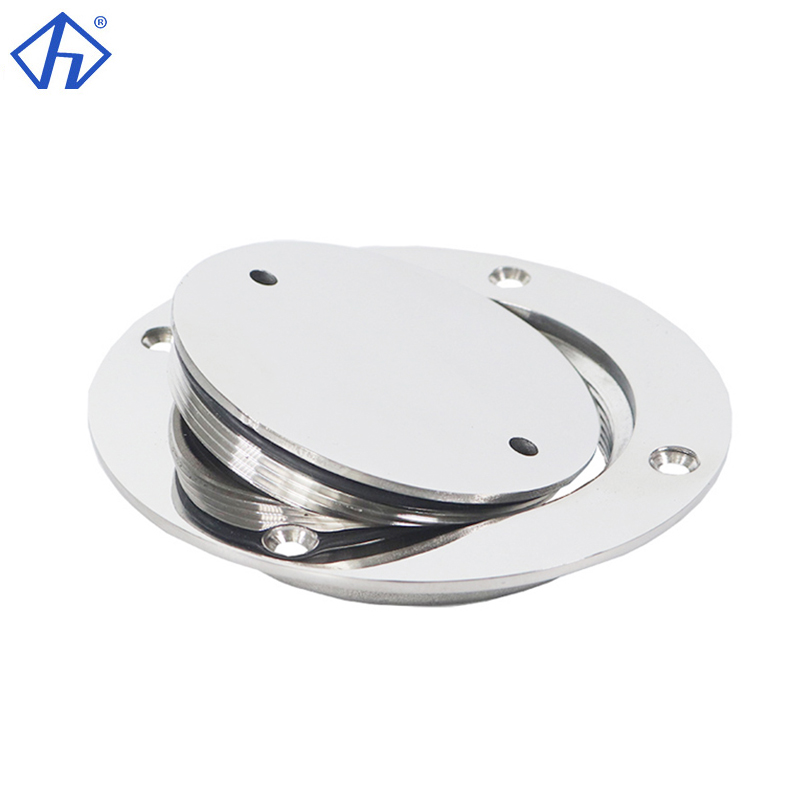
HIEVER’s Stainless Steel Boat Deck Plate is available in 3, 4, 5 and 6-inch versions. The official product page highlights its AISI 316 stainless steel material. And it’s got that shiny mirror-polished finish too.There is model that it can be equipped with a key for much safety and privacy. See, a basic size in the product title just doesn’t cut it—you really need a proper technical drawing. So just ask the supplier what that listed dimension actually measures. And definitely get the official drawing for the exact version you’re planning to buy. Place that document right next to your personal measurements. Do this before you assume the item serves as a perfect direct replacement.
This careful comparison proves vital if you want to keep the current hole. A fresh rim might hide the cutout perfectly. However, the new screws could land too close to a fragile edge. Suppose you want to install a larger opening. You must inspect the area underneath the deck first. A hidden hose, electrical cable, fuel tank, or structural frame member could sit right there. The spot might look completely clear from above. Any nearby hatch or structural support needs a clear mark on your drawing. That specific spacing becomes very difficult to remember once you sit down at your computer.
Will Your Hand and Tool Fit the Work?
Proper access relies entirely on the tasks planned behind the cover. You should test your hand movements before you select a plate with a wider rim.
How Can a Template Test the Position?
The available clear opening must suit your specific maintenance task. A person inspecting a tight hose clamp requires plenty of room. Meanwhile, someone simply reading a part label needs much less space. Place your chosen tool right next to the old plate. Then, practice the required physical movement. Will your wrist turn comfortably? Can the wrench clear a nearby frame or wooden backing member? A massive outside rim offers absolutely no benefit if the functional hole feels too cramped.
For any brand new installation, a simple paper or cardboard template provides a fast test run. Position this template on the planned installation spot. Check your physical reach from the main working side. Then take a good look under the deck surface. Is there enough room to fit a securing nut? And down the road, will you be able to swap out a rubber seal without a hassle?Will a thick interior lining block access to the fastener? These seem like very basic questions. However, answering them before you drill any holes is crucial. It saves you from massive headaches after the boat construction finishes.
HIEVER offers its deck plate range specifically for routine inspection access. You still must choose the installation location based on the hidden equipment. Always leave an adequate amount of solid deck space around the outer flange. This provides room for the fasteners. It also allows for any special edge preparation demanded by the boatbuilder. A heavily curved surface might prevent the rim from sitting perfectly flat. Furthermore, a cored composite panel requires proper structural treatment around the cut edge. The screw holes need protection too. That specific engineering decision relies on the hull construction. It does not depend on the highly polished appearance of the cover itself.
Suppose the plate will sit in a busy walkway. You must ask the manufacturer about the exact model’s approved usage. The main product page provides great material and finish details. Yet, it rarely publishes a specific walking-load rating. It might also omit the official watertightness class. Knowing it uses AISI 316 is highly valuable for your price quotation. However, that metal grade alone does not guarantee approval for every single deck location. Always describe your proposed daily duty in the supplier inquiry. This ensures the technical response directly matches your actual boat installation.
What Do the Key and Fasteners Tell You?
Tiny hardware parts impact both your final price quotation and the actual installation process. You must confirm these minor details while you are still selecting the base model.
What Does the Fastener Information Mean?
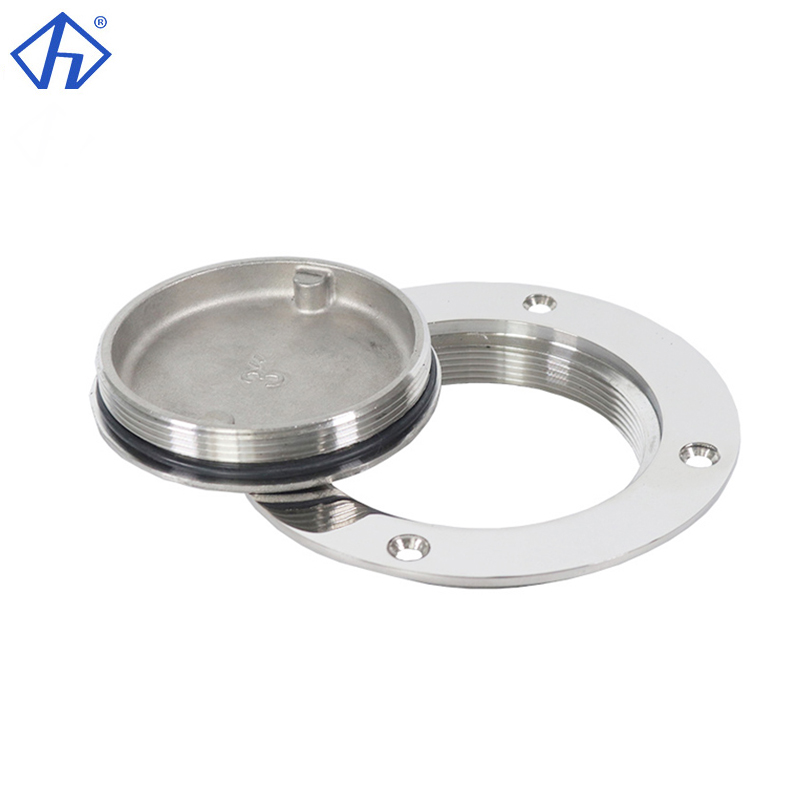
People easily overlook small accessories when they order a fast replacement part. HIEVER lists a dedicated stainless key as an optional extra for the screw-out plate. You should clearly tell the supplier if you want this item included in the quotation. Maybe you already keep a similar key aboard your vessel. If so, compare its exact shape with the new cover design. Do this before you assume it will work perfectly. Always leave plenty of physical clearance above the lid to rotate the tool. A nearby handrail, a bulky console edge, or a rigid seat support could make that turning movement extremely difficult.
That same product page mentions four #12 FH fasteners. It also notes that the package does not include them. This detail simply describes the standard fixing arrangement. It does not suggest a universal screw length for every boat. Your specific deck thickness dictates the final hardware choice. The backing material beneath the surface matters too. You should request the most current technical drawing from the supplier. Then, verify the proper installation method with your professional boatbuilder. You can also consult the marine designer responsible for that specific deck area.
As a quick comparison, HIEVER’s 6-inch round deck inspection cover requires five #12 FH fasteners. These two distinct products might look incredibly similar in a basic photograph. Nevertheless, their underlying fixing patterns remain completely different. You must keep their respective technical drawings totally separate. Sharing a similar outside size means very little. It certainly does not give you a valid reason to copy one model’s hole positions onto another installation.
What Should You Ask HIEVER to Quote?
Any hardware supplier can provide a much clearer response when you share detailed information. Your request should include the precise boat measurements and a description of the intended maintenance access task.
Which Details Belong in the Request?
Yantai Hiever Metalworks Co., Ltd. manufactures and supplies premium stainless marine hardware. The company gladly accepts custom OEM and ODM inquiries. They can work directly from your technical drawings or physical product samples. Your initial measurements serve as a highly useful starting point for this professional conversation. A standard replacement request does not need to be overly long. However, it must accurately describe your real-world installation environment. Simply repeating a standard catalogue name will not yield the best results.
Make sure to send the exact cutout diameter and the clear opening dimensions. Include the available rim space, the total deck thickness, and the precise fixing-hole pattern. You should clearly explain what specific equipment needs to be reached through the plate. State whether the fitting will live in a high-traffic walkway or a heavily exposed weather area. Attach clear photographs taken from both above and below the deck. Mention the total quantity required. State clearly if you want to purchase the optional key. Suppose the old cover features a highly unusual physical outline. In that case, attach a fully dimensioned sketch. Alternatively, mail a physical sample to the factory for a thorough engineering review.
Always ask the supplier to verify the exact product size and the required screw arrangement. Request any available technical data regarding proper sealing methods or permitted structural use. For an existing deck hole, provide the old measurements carefully. Do this even if the current size appears completely standard. For a brand new boat build, illustrate the proposed installation position. Show the available empty space located below the deck surface. This detailed approach gives the supplier concrete data for a proper comparison. It also leaves the final heavy construction decisions in the capable hands of your boatbuilder.
Conclusion
Always keep your detailed installation sketch nearby when you select a new screw-out deck plate. The deck cutout, outer rim, clear opening, and fixing holes need careful documentation. The underside access deserves a prominent spot on your notes too. HIEVER proudly lists 3, 4, 5 and 6-inch AISI 316 mirror-polished options. They also offer a matching stainless key available as a separate purchase. Once you’ve got a product that looks like a solid pick, go straight to the official technical drawing. Use it to clear up any fit doubts you’ve still got before you even think about putting a drill to the deck.
FAQs
So does a 6-inch plate actually need a 6-inch cutout?
Nope, not at all. The outside rim, the cutout in the deck, and the usable opening you actually get—those can all be totally different numbers. You should ask the supplier for the precise dimensions of the exact model. Then, compare those numbers directly with the hole already cut into your boat.
Are the Key and Fasteners Included?
The referenced HIEVER product page describes the dedicated stainless key as an optional extra. It clearly specifies four #12 FH fasteners for the installation. It also states that the package does not include these screws. You must confirm the correct screw length based on your actual deck thickness and the specific backing arrangement.
Which Pictures Should Accompany a Replacement Request?
Placing a measuring ruler beside the old plate proves highly useful. You should also provide clear views of the existing hole and the underside area. Pictures of the surrounding deck surface help tremendously. Add a wide photograph showing the empty space below. Finally, explain the specific maintenance work that you must perform through the newly installed opening.



Leave a comments