

In marine environments, the performance and longevity of mooring bollards in marine environments depend on their material makeup, internal structure, and external treatments methods. These factors decide how well when a bollard face to mechanical pressures, repeated stress cycles, and rust over time.
Mechanical Strength and Load Distribution
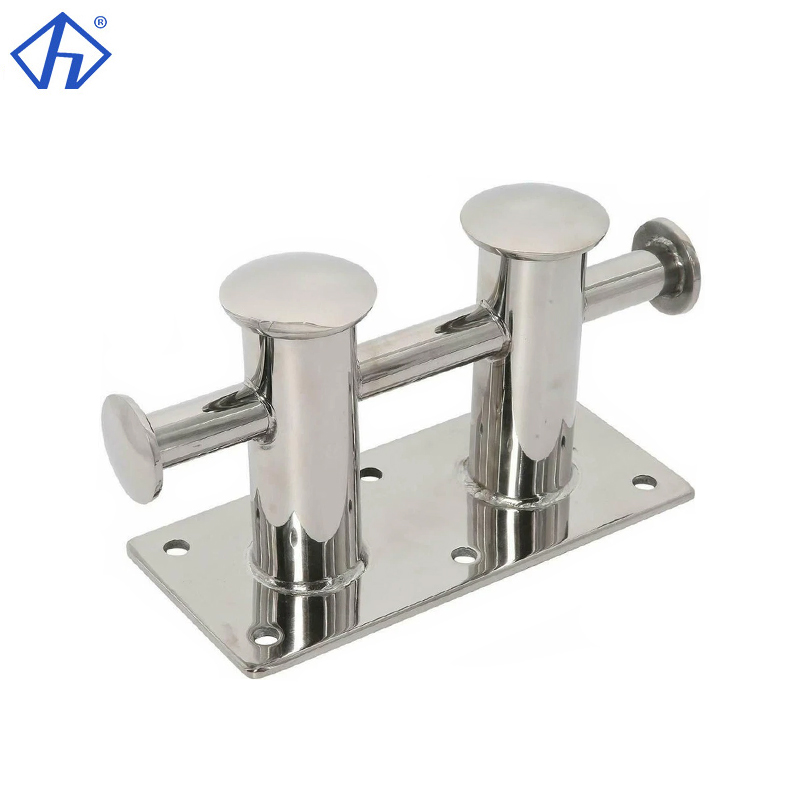
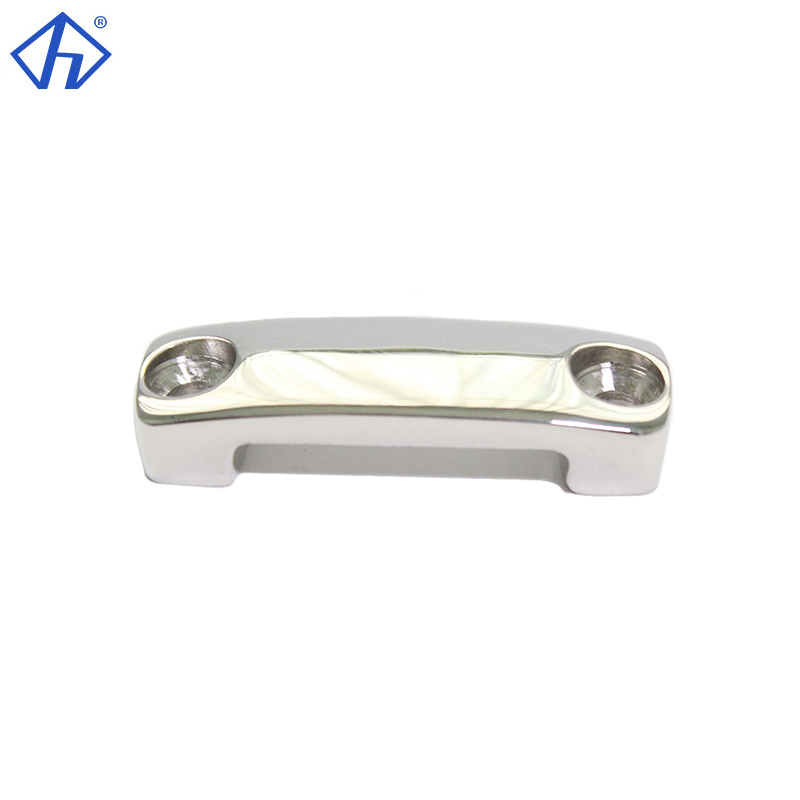
Tensile strength and yield features set a bollard’s capacity to fight bending under heavy mooring pulls. Even internal structure makes sure stress spreads out across the whole body. This avoids weak spots during repeated pushes from waves or wind. The elemental composition in the alloy greatly affects toughness and flexural resistance. For instance, the double cross mooring bollard consists fully of 316 stainless steel. This metal offers strong protection against rust. It easily stands up to ongoing wear from saltwater and damp settings. Plus, it has good hardness and strength against hits. Such qualities let the bollard stay firm even under big pulling forces in docking tasks.
Fatigue Resistance in Marine Conditions
Ships moving back and forth, along with tides rising and falling, create ongoing stress that can start tiny cracks in metal parts. Heat treatment methods steady the edges of grains. As a result, they boost the lifespan against fatigue by limiting shifts in dislocations. Finishing methods on the surface, like mirror polishing or electropolishing, cut down on spots where stress builds up. Cracks often start there. In tough marine-grade stainless steels such as 316, these steps raise lasting power. They lower sensitivity to notches. Meanwhile, they retain a smooth surface that withstand combined corrosion and mechanical fatigue.
What Are the Main Corrosion Mechanisms of Mooring Bollards?
Rust in ocean settings comes from chemical reactions between metal outer layers, salt particles, and oxygen mixed in seawater. Knowing these processes is vital for guessing how long something will last. It also helps set up care routines.
Electrochemical Corrosion in Seawater Exposure
Salt particles break into the thin protective oxide covers on stainless steel outer layers. This makes them weak and starts the eating away of metal at the positive side. Changes in oxygen levels across wet surfaces form cells with uneven air supply. These drive focused rust flows. If different metals touch electrically—for example, stainless steel bolts linked to carbon-steel bases—galvanic links speed up damage on the weaker metal.
Pitting and Crevice Corrosion Phenomena
Pitting happens at flaws on the surface or bits inside where safety films fail in small areas. Crevice corrosion grows in tight spaces under dirt or parts where air does not flow well. Both ways cause deep harm in narrow spots. This weakens the ability to hold weight. Using alloys with molybdenum, like 316, lessens these issues. It does so by raising the pitting resistance equivalent (PREN) numbers.
Role of Microstructure in Corrosion Behavior
Austenitic internal structures give better protection against rust than ferritic ones. They do this because of their rich chromium and nickel levels that steady the safety films. Making grains smaller also helps. It improves how well the film sticks and stays even. Plus, it cuts down on areas where elements group up. Those spots could start focused attacks.
316 Stainless Steel as Ideal material for Marine Mooring Bollards
316 stainless steel is the common choice for mooring bollards and other marine hardware fittings. It combines solid mechanical build with superior rust resistance in salty conditions like those in seawater.
Superior Chemical Composition of 316 Stainless Steel
The molybdenum addition in the alloy greatly enhances its resistance to salt-induced pitting corrosion, this point is better than 304 stainless steel. The added molybdenum in this alloy greatly boosts its defense against pitting from salts, unlike 304 stainless steel types. Compare to AISI304, AISI316 contains more nickel and molybdenum, it fits better for use in seawater. It has molybdenum, which fights rust from saltwater and heat effects. Chromium builds a self-repairing oxide coat that stops oxidation from spreading. Nickel keeps the austenitic form steady. This preserves flexibility even in cold weather—a key point for icy ports.
Surface Treatment Enhancements for Marine Durability
Passivation steps bring back chromium oxide coats after cutting or joining work. Electropolishing adds more value. It clears tiny high points that might hold salts or start crevice rust. Paint layers like epoxy or polyurethane can go on too. They lengthen time under water in very tough spots. Yet, they do not harm the look.
How Can Design Optimization Improve Adaptability to Harsh Marine Environments?
Choosing materials by itself does not guarantee long-term steadiness. Smart design changes boost how well it fits against mechanical and weather stresses common in sea work.
Structural Geometry Considerations for Load Efficiency
Gentle curves in the shape reduce build-up of stress under changing mooring pulls. Good planning for the base hold makes sure loads pass evenly into concrete bases or deck setups. Experts use finite element simulations. They predict how it bends under max pull forces. This lets them adjust the shape before making it.
Integration of Protective Measures Against Environmental Stressors
Cathodic protection setups ease galvanic issues on parts under water. They make the structure act as the negative side compared to anodes that wear away. Design features like drainage paths stop water from sitting around bolt joins. This lowers the chance of crevices forming. Modular builds also help. They let teams swap out hurt parts one by one. There is no need to take apart the whole setup.
How Does Yantai Hiever Metalworks Ensure Quality in Mooring Bollard Production?
Yantai Hiever Metalworks has built a solid name as a reliable maker. They focus on exact-built sea tools meant to last in rough ocean spots.
Manufacturing Capabilities and Material Control Systems
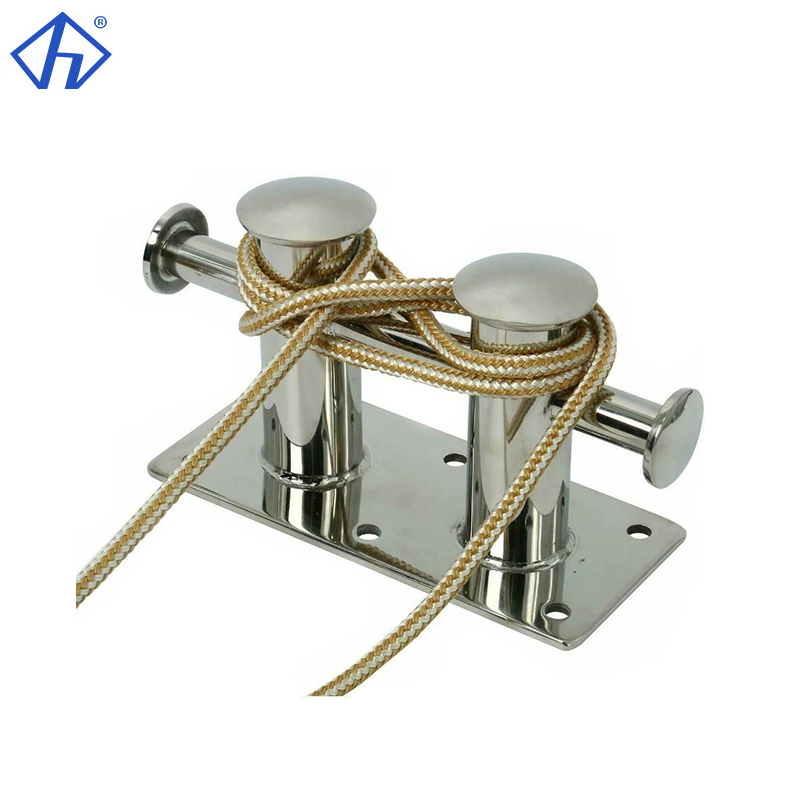
Yantai Hiever Metalworks Co., Ltd stands out as a leading producer centered on well-crafted sea hardware solutions. Their investment casting method guarantees exact sizes. It also creates tight internal structures without empty spots often seen in old casting ways. This double cross bollard cleat comes from full 316 stainless steel. It provides great rust resistance. The metal easily handles long wear from seawater and wet areas. It also shows strong hardness and resistance to impacts. Tight checks on starting materials use portable spectrometers. They confirm the metal meets ASTM A276/A479 rules for stainless steel types before work starts.
Their own quality checks include pull tests to check strength needs. They do hit tests that mimic shocks from docking. Salt spray tests copy long sea exposure before sending out products. These steps ensure every piece meets high standards for safety and reliability in demanding conditions.
Commitment to Long-Term Durability and Client Support
Safe ship tying relies on tough and lasting mooring gear. Hiever’s cross rope bollard mooring cleat serves as a dependable tool made just for securing vessels. The firm offers tailored design help based on port needs. This covers ship size factors and space limits on decks or docks. Ongoing work in research and development aims at better anti-rust covers and newer joining methods. These strengthen connections without losing visual appeal. Special support groups help customers with setup tips, check schedules, and care advice over time. All this follows global sea rules to keep things running smoothly.
What Are the Key Takeaways from Material Science Analysis of Mooring Bollards?
Lessons from material science show how picking alloys, controlling internal makeup, finishing the outside, and shaping wisely all shape the steady work of mooring bollards in salty sea spots. Using 316 stainless steel—with careful making steps at Hiever Metalworks —builds in extra safety against too much mechanical push and chemical breakdown. It keeps costs down over long use times.
FAQs
why is stainless steel 316 more resistant to seawater than the stainless steel 304?
Important composition differences: SS304 just contains chromium and nickel; SS3116 has about 2% more Mo than the SS304. By stabilizing the passivation film on stainless steel surface and preventing corrosion from the high concentrations of chloride ions in salt spray, seawater, and sea breezes, molybdenum prevents rust spots and perforation.
What maintenance measures can prolong the service life of mooring bollards?
Routine regular cleaning prevents salt deposits on the surface of the marine stainless mooring bollard ; inspections can detect signs of cracking and rust at the earliest time ,timely recoating can restores protection against oxidation.
Are advanced alternative materials being designed for marine bollards of the future?
Newer high-performance materials such as duplex stainless steels boast higher yield strength and far better resistance to stress corrosion cracking.At the same time, fiber-reinforced polymer composites are lightweight and highly durable. They serve as an excellent alternative for harsh offshore operating conditions, and they also cut down the need for regular maintenance.



Leave a comments