

The selection of deck cleat size holds a key place in keeping mooring tasks safe and smooth. Picking the best cleat calls for looking at boat size, rope thickness, material toughness, and setup arrangement.
A well-chosen cleat spreads out the weight evenly when tying up. On the other hand, a too-small cleat might break under pressure. Meanwhile, a too-large one could fit poorly in tight deck areas or current boat styles.
Boat owners, builders, and sellers of marine gear need to grasp cleat sizing well. This knowledge aids safety and lasting strength.
To pick wisely, one must first learn what “deck cleat size” truly means. Also, one should note the elements that shape it.
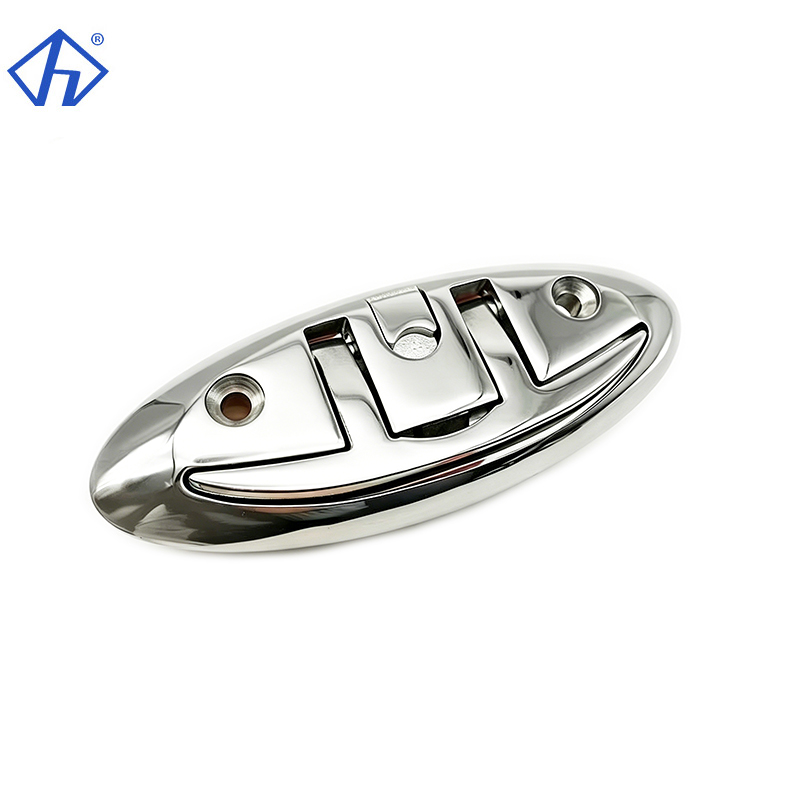
What Is a Deck Cleat Size?
Deck cleat size points to the basic measurements and weight-holding power of a cleat for tying ropes on boats, yachts, and piers.
It goes beyond just length or looks. In fact, it ties straight to:
- Load-bearing capacity
- Rope compatibility
- Vessel size suitability
- Installation strength
Before choosing a cleat, several practical and working factors need review. This ensures solid results in sea settings.
What Factors Determine the Proper Deck Cleat Size?
Picking the right cleat means checking various everyday sea situations. One should avoid simple guesses based on sight.
These elements combine to decide if a cleat can manage tying and docking weights safely.
Vessel Length and Displacement
The boat’s overall size stands as the main guide for cleat needs.
When length and weight grow, the forces from tying up rise a lot. This happens because of wind push, wave pull, and water flow.
A basic rule in boat building holds that bigger boats need matching larger cleats. Thus, they handle weights without risk.
Mooring Line Diameter
The rope’s thickness has to fit the cleat’s shape for firm tying and even weight spread.
If the cleat proves too narrow for the rope, stress builds unevenly. Yet, if it’s overly wide, the knot might not hold as well.
In daily use, the cleat needs to let the rope loop tightly in a figure-eight way. It should avoid too much slide or squeeze.
Deck Structure and Mounting Strength
Right-sized cleats can still give way if the deck lacks support.
Slim fiberglass or mixed-material decks often call for added plates underneath. These help share the weight better.
Good placement in line with the pull direction matters too. It stops stress from bunching up at fix points.
Boat Cleat Size Chart (Practical Engineering Reference)
This table offers a straightforward industry guide for cleat picks based on boat length.
People in marine gear choice and boat setup often turn to it.
| Boat Length | Recommended Cleat Size | Rope Diameter |
| 10–20 ft | 4–6 inch cleat | 3/8 inch |
| 20–30 ft | 6–8 inch cleat | 1/2 inch |
| 30–40 ft | 8–10 inch cleat | 5/8 inch |
| 40–60 ft | 10–12 inch cleat | 3/4 inch |
The chart sets a starting point for choices. However, one must also weigh real factors like wind force, how often docking happens, and the boat’s kind.
How Does Material Selection Affect Deck Cleat Performance?
After settling on size, the choice of material steps up as a major point for strength over time and fight against rust.
Sea settings bring salt water, sun rays, and physical wear to cleats. For that reason, material strength proves vital.
316 Stainless Steel Marine Grade Construction
In actual sea work, 316 stainless steel ranks as the top pick for deck cleats. It stands out for strong defense against rust and spots in salt water.
Top marine cleats come from precision casting (investment casting) methods. These build solid frames and exact shapes.
Common traits cover:
- Marine-grade 316 stainless steel
- Mirror-polished surface with superior corrosion resistance
- High tensile strength for mooring loads
- Suitable for offshore and coastal environments
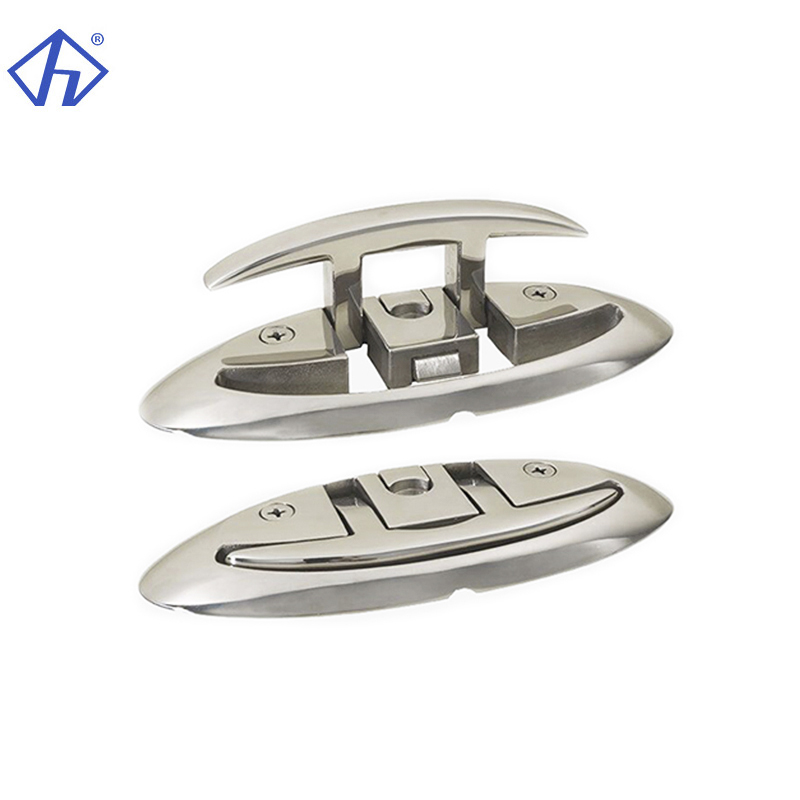
Folding Deck Cleats (6″ & 8″ Design Applications)
Today’s sea boats lean more toward folding (flush-mounted) deck cleats. They boost safety and deck use.
A standard case involves 6-inch and 8-inch spring-loaded stainless steel folding cleats. Builders design them for boats, yachts, and pier setups.
Main points include:
- Flush-mounted design to reduce tripping hazards
- Spring-loaded mechanism for easy operation
- Through-bolt installation for structural strength
- Suitable for both recreational and commercial vessels
When idle, the cleat folds flat into the deck. This keeps the area clear and smooth. Such a feature fits well in fresh yacht styles.
Why Folding Deck Cleats Are Used in Modern Boat Design
Boat styles shift to focus on safety and simple looks. As a result, folding cleats turn into regular parts on many boats.
Their build brings real work benefits and nice visual appeal.
Flush Mount Design for Deck Safety
Folding cleats lie level with the deck when not active. This cuts down on stumble risks and aids safe walking aboard.
Such a setup proves key in busy spots like yacht tops or work boats. There, smart use of space counts a great deal.
Spring-Loaded Mechanism for Ease of Use
Most new folding cleats include a spring help system. It lets users raise and lock them fast.
This setup speeds up tying tasks in docking. It helps especially when wind or water levels change quickly.
Load Capacity Considerations in Deck Cleat Selection
The ability to hold weight stays as the top build factor in picking cleats.
Even strong stainless steel cleats demand correct sizing for boat needs.
The usual 6-inch and 8-inch types see wide use. They strike a good balance in:
- Load capacity
- Rope compatibility
- Deck space efficiency
- Installation flexibility
Smaller boats often pick 6-inch versions. Yet, yachts and bigger craft tend to need 8-inch or greater ones.
How Installation Affects Deck Cleat Performance
Sound setup proves key for ongoing safety and toughness.
A cleat acts not merely as an add-on. Rather, it serves as a weight-support part of the structure.
Through-Bolt Installation Method
Sea-quality cleats call for full-through bolts in setup, not just screws.
This approach brings:
- Even load distribution
- Higher pull-out resistance
- Long-term structural stability
For fiberglass or blend decks, added plates below work well.
Corrosion Protection and Sealing
Seal all fix spots with top sea sealants to block water entry.
Doing so lowers inside rust chances. It also lengthens the whole setup’s useful time.
Common Mistakes When Choosing a Deck Cleat
Skilled boat users at times slip up in picks or setups.
Knowing these slip-ups boosts safety. It also cuts down on upkeep costs over years.
Overlooking Load Requirements
Cleats that run small often lead to breakdowns in sea setups.
Base plans on the toughest tie-up cases. Do not rely on routine runs alone.
Ignoring Material Compatibility
Blending different metals sparks rust through reaction in salt water.
Sticking to matching stainless steel parts remains a must.
Neglecting Maintenance
Check items often to spot early rust or loose spots. This prevents breakdowns.
What to Look for a Marine Deck Cleat Manufacturer
In getting sea gear, the maker choice matches the product details in weight.
A solid provider offers steady material build, exact making, and fit to sea build rules.
Firms like Yantai Hiever Metalworks Co., Ltd focus on sea-grade stainless steel items. These include 316 stainless steel deck cleats, bollards, and sea parts for tough salt settings.
Points to check cover:
- Material grade consistency
- Precision casting capability
- Quality control systems
- OEM/ODM production support
- Export experience in marine markets
Conclusion
Picking the best deck cleat size blends boat review, rope fit, material pick, and setup care.
When these line up right, tie-up safety rises. Work flow gets better too.
Current sea-grade 316 stainless steel folding deck cleats (6” and 8”) offer a trusted fix. They mix power, rust fight, and space-smart build for now’s sea needs.
FAQs
1. Is your deck cleat right size for your boat?
If the rope looks too thick or the cleat bends when loaded, it might be small. Upgrade it using boat details.
2. Can I use the same cleat size for all boats?
No. Match cleat size with boat length, displacement and rope diameter for safe operation.
3. Why Molydenum makes 316 stainless steel Ideal for Marine Use?
316 stainless steel has molybdenum, this boosts defense against salt water rust and lengthens use in sea spots.
4. Are folding deck cleats strong enough for heavy loads?
Yes. Well-built 316 stainless steel folding cleats manage medium to big tie-up weights. Use through-bolts for setup.
5. Should deck cleats be replaced during upgrades?
Yes. In boat refits, check all top gear. Ensure it fits load needs and material match.



Leave a comments