

Marine cleats are subject to the toughest application conditions and in continuous contact with water, humid air, UV-radiation and temperature changes. Saltwater, one of the worst corrodents, is a particular challenge. For boat builders, for marina management and for the marine hardware manufacturers corrosion resistance is not just a cosmetic feature; it is a safety feature and it affects life and maintenance costs. In order to guarantee the quality of marine hardware a very stringent test for corrosion resistance is needed.
When it comes to evaluating corrosion-resistance, many manufacturers utilize a variety of tests. But among the most effective methods for simulating corrosion in a controlled environment to compare materials or verify a coating’s durability is through salt spray testing. It can also be used to test the effectiveness of protective coatings, and to ensure that a product complies with the requirements of established standards. To understand how your high-quality stainless steel marine cleats perform in coastal or offshore environments, learn more about the salt spray testing process.
What Is the Purpose of Salt Spray Testing in Marine Hardware Evaluation?
Salt spray testing is a critical test to assess the corrosion resistance of marine hardware parts and components, including marine cleats. In maritime engineering, where equipment is exposed to salt air and seawater, the effect of materials under accelerated corrosion is a major factor in determining the durability of a part.
The Role of Salt Spray Testing in Corrosion Assessment
An environmental test can provide an accelerated simulation of exposure to typical marine environments, enabling the engineer to make predictions regarding the long-term behavior of materials. Furthermore, it is possible to compare ‘like with like’ between different coatings or even different alloys, facilitating the manufacturer in determining whether his product is able to meet specific performance criteria. Thus, for example, a stainless steel marine cleat manufacturer can check that his products will not suffer structural failure in harsh saltwater environments. Such tests are also used as part of the quality assurance program to verify the certification of a manufacturer’s products prior to their release onto the market.
Standards Commonly Used for Salt Spray Testing
Neutral salt spray testing for corrosion is commonly referenced to in a number of international standards. For example, two of the most recognized tests for corrosion, ASTM B117 and ISO 9227, each describe neutral salt spray (NSS) tests. For both tests the temperature, solution pH and sodium chloride concentration are fixed at 35°C, 6.5–7.2 and 5% respectively. By fixing these key parameters the test becomes reproducible allowing results from tests on different batches or even different materials to be accurately compared. For companies such as Yantai Hiever Metalworks Co., Ltd, manufacturers of marine hardware, the adherence to such internationally recognized tests provides a method of quality control with a clear and traceable benchmark.
How Does the Salt Spray Test Process Work for Marine Cleats?
The salt spray test is a test where marine cleats are exposed to a controlled saline environment in a test chamber. This test procedure simulates the effect of years of exposure to sea in a short amount of time, by continuously misting the test samples with a sodium chloride solution.
Preparation of Marine Cleat Samples
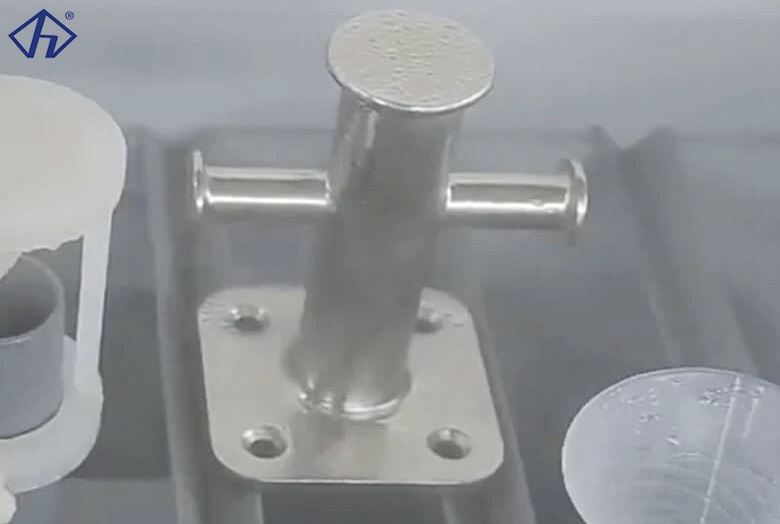
The test samples are thoroughly cleaned prior to the test to remove oil and grease from surfaces under test to replicate natural corrosion. The specimens are mounted at a specific angle to allow all surfaces of the test specimen to be exposed to the corrosive environment. Each specimen is labeled with identification tags, listing type of sample, test duration and batch number for quality audit traceability purposes.
Operation of the Salt Spray Chamber
Within the test chamber a fine spray of sodium chloride solution is allowed to settle upon the test cleats and maintained at a constant temperature and relative humidity. The duration of test is generally as specified by the relevant specification. Initial visual inspection for early signs of corrosion can be undertaken after a 24 hour test period but for full validation of high performance cleats for use in offshore applications are subjected to in excess of 1,000 hours of test. The salt spray test simulates the long term exposure of cleats to seawater.
Evaluation Criteria After Exposure
For post-test evaluation the corroded cleat is visually inspected for signs of rust, pitting or discoloration. The weight loss of the cleat material is determined and the area of local corrosion initiation identified by microscopic inspection. The results are then compared against acceptance criteria as specified by internal requirements or by market standards to check whether the tested cleat has achieved the required corrosion resistance.
Why Is Corrosion Resistance Critical for Marine Cleats?
Marine cleats are the primary fixed mooring points on boats and docks and their failure could result in serious safety and operational problems. In addition to possible deterioration in appearance, corrosion will damage cleat’s appearance and aslo affect its mechanical properties.
The Impact of Corrosion on Structural Integrity
Corrosion eats away metal and makes sections thinner, while pits and cracks form where stress builds up easily,this cuts down how much weight the metal can hold.Damaged surfaces aslo create extra friction when we work with mooring ropes.The mooring process becomes harder to carry out, and dynamic forces could turn this into a real safety risk.
Material Selection for Enhanced Durability
316 grade stainless steel is highly corrosion resistant due to its molybdenum content. It is far more resistant to chloride induced pitting than 304 grade stainless steel and also tolerates well cyclic wet/dry exposure typical of exposure in marine environments. Passivation treatments of 316 grade stainless steel remove free iron from the surface of the material, thereby enhancing the protective oxide film present on the surface of the steel. Other materials including bronze and anodized aluminum are used in various exposures and require customized maintenance and electrochemical behavior strategies.
How Do Test Results Influence Material Choice and Product Certification?
Data from salt spray testing can provide engineers with critical information about marine hardware designed to be in constant contact with seawater. The data can be used to make informed decisions about material selection and to make design changes as needed.
Interpreting Test Outcomes for Engineering Decisions
Results obtained for longer exposure times without signs of corrosion indicate high durability of a coating and allows its application for heavy-duty use on yachts as well as on commercial vessels. Thus, results obtained can be used for selection of the most suitable coating and for verification of compliance with known international standards such as ISO 3506 or ASTM A240, which governs corrosion resistance of stainless steels for use in marine environment.
Integration into Quality Control Systems
Our manufacturing process integrates salt spray testing into a quality management system that ensures testing is consistently performed. By testing production lots on a regular basis, we verify that each lot of production meets the corrosion resistance requirements of the end product prior to shipment. Test reports generated during the above tests provide documentation required for traceability for audits performed by shipbuilding and for classification societies.
How Does Hiever Metalworks Ensure Reliable Marine Cleat Performance?
Yantai Hiever Metalworks Co., Ltd is a leading manufacturer of high-precision stainless steel marine hardware, mainly used in harsh offshore conditions.
Key Strengths of Yantai Hiever Metalworks Co., Ltd
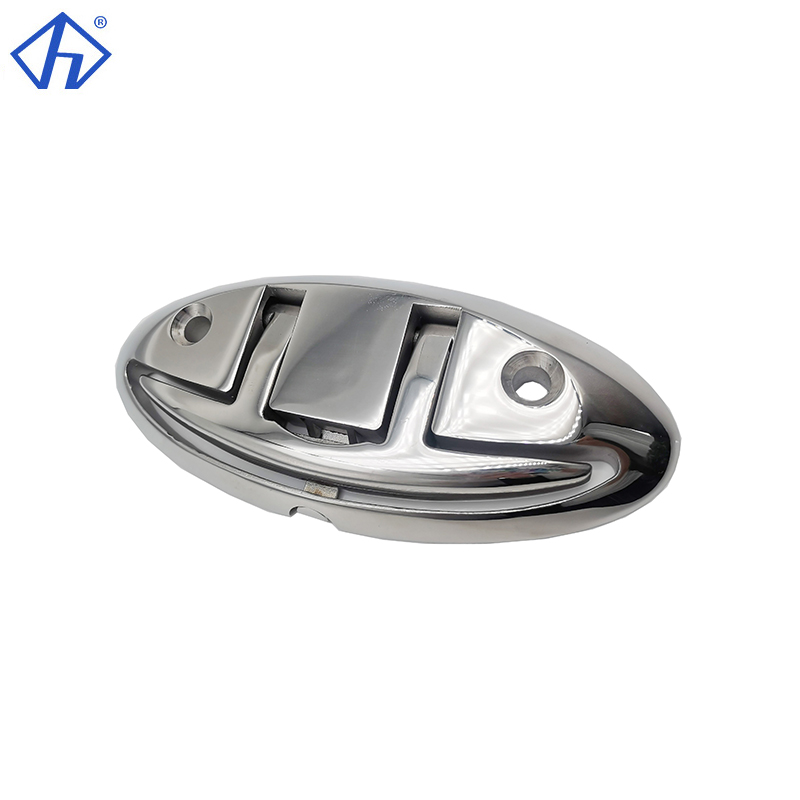
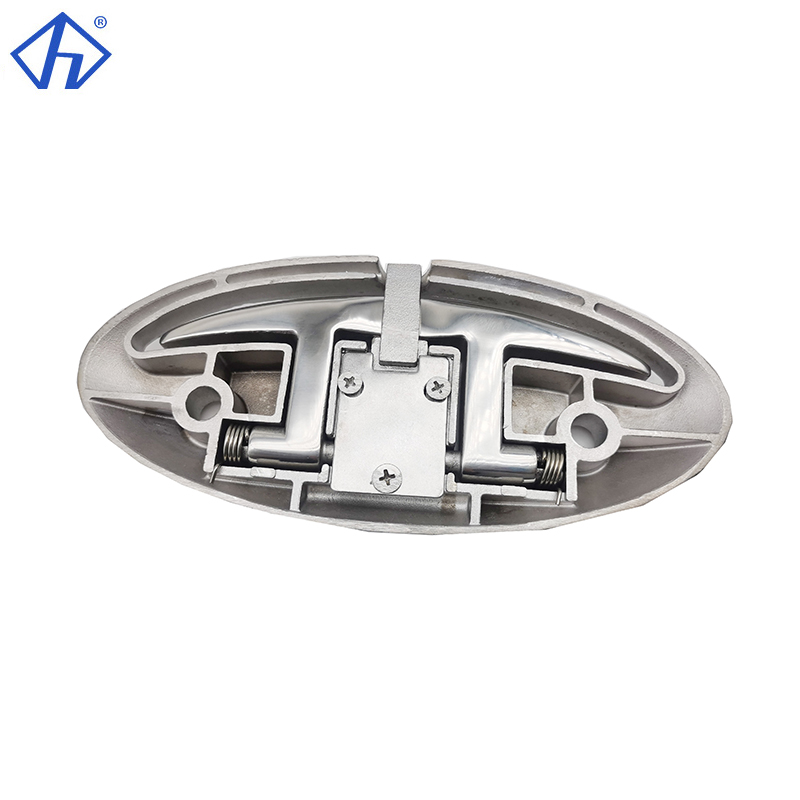
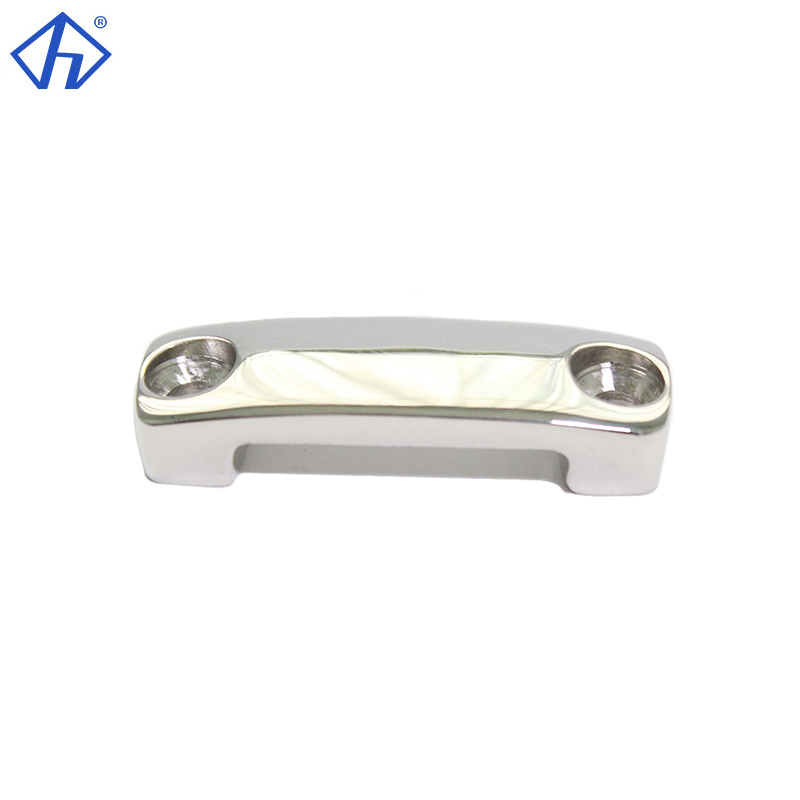
The Hiever foldable spring-up cleat comes up with a handle. Simply hit the button and the handle spring up, onece you’re done using it, you can fold it flush right against the boat hull.This cleat is made from 316 stainless steel and is resistant to salt and corrosion. This clever design is made possible by Hiever’s innovative designs, expert use of investment casting and their mirror polishing finishes. They result in beautiful functional products.
The company is running under ISO 9001:2015 certified quality management system. Very strict quality control is applied right from raw material receiving verified by spectrographic analysis till pre-shipping inspection including load test and salt spray test. The corrosion protection products offered by the company provide the best anti-corrosion protection with consistently high quality by using the best certified quality raw materials, extremely precise CNC-machining, passivation and salt spray test.
What Are the Emerging Trends in Corrosion Resistance Testing for Marine Components?
As the global maritime industry moves towards a more sustainable future, operating in a safe manner has become increasingly important. New methods are being developed that can upgrade the classic salt spray test with more realistic simulation of the various environmental conditions that can be encountered at sea.
Advances in Accelerated Corrosion Testing Techniques
New cyclic corrosion tests are conducted by switching between wetting, drying and humidity cycles corresponding to the actual service conditions of a ship at sea. In addition to the well-established visual inspection for signs of degradation, the performance of a coating is now measured quantitatively by means of electrochemical impedance spectroscopy (EIS). The results allow for a profound analysis of the beginning of a corrosion process by means of the charge transfer resistance at the metal/solution interface.
Integration of Digital Monitoring Systems
Automated data logging systems automatically record continuously all the environmental parameters during extended test periods, this way full traceability is assured and it is also guaranteed that human errors are minimized during the monitoring period. By means of Artificial Intelligence image analysis tools the laboratories are able to detect micro-pitting and discoloration patterns which are not visible with the human eye. This allows to develop predictive maintenance models based on historical data.
Wrap-up: Thorough Corrosion Testing Guarantees Reliable Long-Term Performance
If manufacturers stick to standard salt spray tests every time, they can check whether their boat cleats are tough enough to keep vessels safe out at sea.Firms like Yantai Hiever Metalworks Co., Ltd combine premium metal materials including molybdenum-rich 316 stainless steel, precise casting techniques and full surface finishing oversight. Their hardware can stand constant seawater exposure for years, keeping solid mechanical performance and a neat look that modern boats need.
FAQs
What duration is typically used for salt spray testing of 316 stainless steel marine cleats?
Test duration for these types of tests generally are in the range of 500 to 1,000 hours depending on test specification. Since 316 stainless steel has inherent high corrosion resistance for use in exposure to seawater for long periods of time, it is anticipated that test duration will be near the lower end of this range.
Does salt spray testing replicate real-life marine conditions exactly?
The test accelerates corrosion by enhancing standard corrosion mechanisms under controlled saline mist, however it does not seek to simulate other environmental influences such as exposure to UV or fluctuating temperatures and is therefore best used as a comparative test for materials.
How often should marine cleats be inspected after installation?
Routine inspection every 6 months for continuously operating vessels in seawater. The frequency could be higher depending on local salinity and mechanical stress during mooring operations.



Leave a comments