

Efficient atmospheric venting plays a key role in improving refueling efficiency for diesel deck fillers. When fuel goes into the tank, displaced air needs to exit smoothly. This prevents turbulence or backpressure. Such issues could lead to spillage or premature nozzle shutoff. The atmospheric venting capacity decides how well this air displacement happens. It directly affects the refueling flow rate and operational safety.
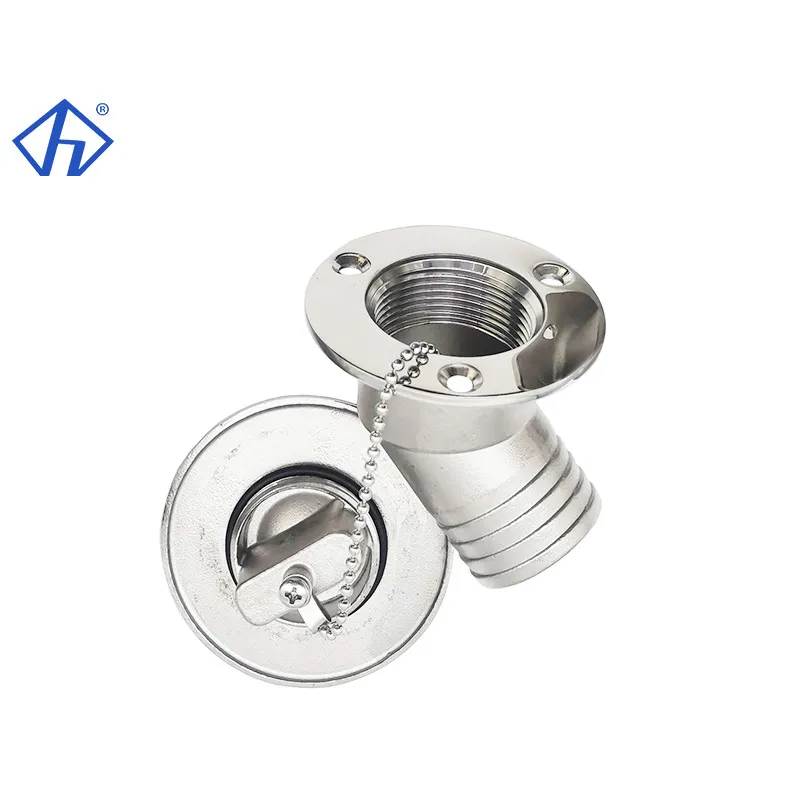
Key Mechanisms Behind Venting Performance
The main mechanism of venting performance involves allowing balanced airflow between the tank interior and the ambient environment. Proper vent design makes sure that as fuel fills the tank, air leaves without creating vacuum pockets or pressure surges. Bigger or better vent openings cut down turbulence. They also permit consistent flow velocity even under high fueling rates. Adding anti-splash or vapor-separation features boosts safety. These features reduce aerosol formation and keep a clean fueling interface. Overall, these mechanisms help maintain stable pressure equilibrium during refueling operations.
The Relationship Between Vent Flow Rate and Refueling Speed
The link between vent flow rate and refueling speed is straightforward. A higher vent capacity permits quicker fuel transfer. It does this by reducing resistance within the filler neck. On the other hand, poor venting causes nozzle backflow or automatic shutoff. This happens due to pressure buildup. Today’s design processes use computational fluid dynamics (CFD) simulations. These tools model air displacement efficiency. They also optimize filler geometry for real-world conditions. This data-driven method lets engineers improve internal pathways. These pathways balance both liquid and gaseous phases during fueling. As a result, operations run smoother across different flow conditions.
What Design Factors Define the Performance of Diesel Deck Fillers?
Modern diesel deck fillers are carefully engineered systems. They meet strict marine and industrial standards. Meanwhile, they offer high reliability in kinds of operating environments. Their performance relies on structural geometry, sealing integrity, material selection, and corrosion resistance. All these elements help ensure steady refueling efficiency.
Structural Innovations in Filler Neck Geometry
Recent innovations in filler neck geometry have created designs that lessen turbulence while improving flow uniformity. Curved inlet paths direct fuel smoothly into the tank. This reduces splashing and vapor lock risks. Smooth internal surfaces improve drainage characteristics. They prevent residue buildup that might harm sealing performance over time. Modular setups let vessel operators adjust assemblies based on spatial limits or system needs. This increases adaptability for different vessel types.
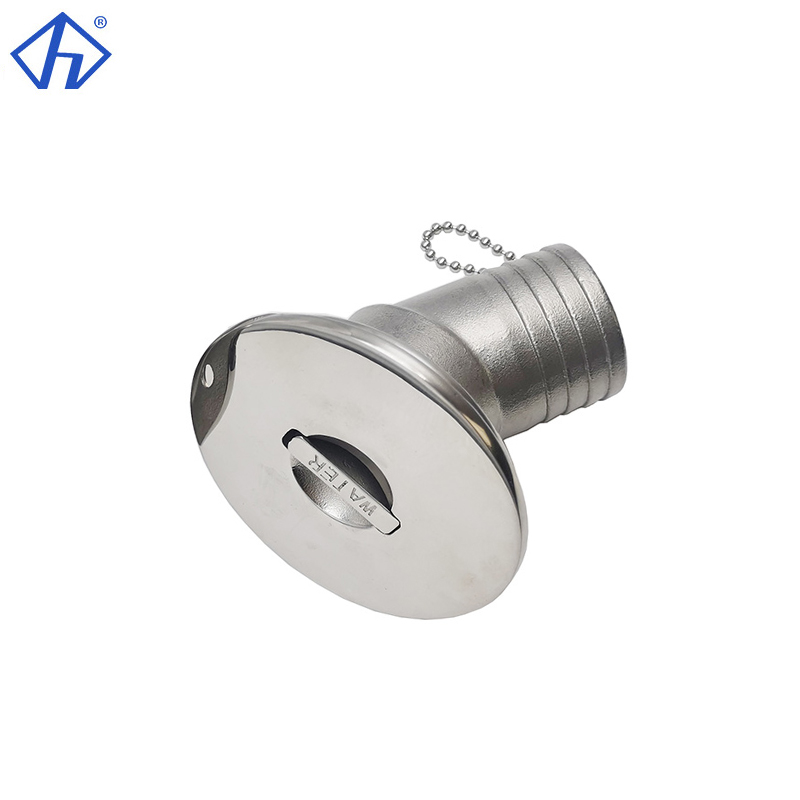
This angled hose 30° deck fill works best when installation space is tight or when pipe routing requires smart changes. Such a design shows how current engineering adjusts filler geometry for limited spaces. It does so without harming hydraulic performance. The 30-degree precise bend design aids efficient fluid transition. It also keeps optimal vent alignment.
Material Selection and Corrosion Resistance Considerations
Material choices greatly affect long-term durability for diesel deck fillers in marine settings. The angled hose deck fill uses marine-grade 316 stainless steel in a one-piece casting process. This provides strong corrosion resistance and salt resistance. It keeps stable even under harsh marine environment. marine-grade stainless steel (AISI316) is much better than AIS304. Thanks to its higher molybdenum content,it can offer better protection against chloride-induced corrosion. Aluminum alloys might be more suitable when it need big reduction. However, they need surface treatments like anodizing or electro-polishing. These help them last in salt-heavy environments.
Why Is Atmospheric Pressure Management Critical in Diesel Filler Systems?
Atmospheric pressure management keeps equilibrium between internal tank pressure and external ambient conditions during fueling. If this balance fails, it can cause vapor emissions, leaks, or structural stress on filler parts.
Pressure Equalization Techniques Used in Modern Fillers
Advanced diesel fillers include built-in breather valves. These automatically control internal pressure changes as tanks fill or empty. Dual-channel vent paths separate liquid return from air escape routes. This lowers turbulence and keeps steady airflow dynamics. Moreover, advanced sealing mechanisms stop vacuum formation when tanks cool after refueling. They thus protect mechanical integrity and meet environmental rules.
Environmental Implications of Improper Venting
Bad venting harms operational safety. It also adds to environmental harm through volatile organic compound (VOC) emissions. Overpressure events can damage hoses or fittings. This leads to repair downtime and higher costs. Better vent control helps follow international marine environmental protection standards like MARPOL Annex VI. It does this by cutting vapor release during fueling.
How Can Manufacturers Improve Fueling Efficiency With New Ideas?
Manufacturers now add digital tools and precise making methods to diesel filler systems. This matches sustainability aims while boosting mechanical efficiency.
Integration of Smart Monitoring Technologies
The built-in sensors can monitor factors, such as fuel flow rate, temperature changes, and vent status in real time. Data analytics platforms review these details. They predict maintenance times based on real use, not set schedules. Wireless links allow remote checks for fleet operators. This helps manage potential issues before they stop operations.
Advancements in Manufacturing Precision and The Enhancements of Quality Control
CNC machining technology can ensure the accuracy reach to micrometer range. This is vital for dependable sealing between filler caps and necks. Automated leak testing checks product strength before shipping. It upholds zero-defect standards. Additive manufacturing speeds up prototyping of custom shapes for specific vessel setups or industrial needs. This quickens innovation without lowering quality checks.
How Does Yantai Hiever Metalworks Contribute as a Reliable Deck Filler Supplier?
Yantai Hiever Metalworks Co., Ltd has earned a reputation as a skilled producer of durable marine hardware. Their products withstand harsh sea conditions. The company focuses on making high-performance stainless-steel parts, such as diesel deck fillers. These use investment casting with AISI316 material grades. Their emphasis on corrosion resistance fits global maritime needs. In saltwater exposure, materials must show great resilience.
Their promise to quality and innovation stands out. Hiever’s deck filler and tank vent use 316 stainless steel throughout. This ensures steady anti-corrosion strength in all product lines. It covers compact angled hose fillers for tight spots to full-size industrial-grade units for commercial vessels.
Additionally, modern CNC machining provides exact size control. This precision guarantees sealing reliability. It prevents leaks during temperature shifts common at sea. The company’s R&D efforts highlight multi-layer seal designs. These lengthen service life and cut maintenance needs for users around the world.
What Are the Key Idea from the Analysis of Diesel Fillers?
The growth of diesel filler technology highlights a move toward combining aerodynamic vent design with smart monitoring systems. This aims for better refueling efficiency. Atmospheric venting capacity stays central. It supports performance consistency and environmental compliance in next-generation systems.
Core Insights from Current Developments
Improved vent geometry boosts airflow balance during fast fueling. It reduces backpressure effects in filler assemblies. Material progress, especially via precision investment casting with SS316, lengthens service life. It also lowers maintenance in corrosive marine settings. Smart monitoring setups allow predictive maintenance. This shifts from reactive fixes to proactive care.
Together, these advances make modern diesel deck fillers more than simple parts. They actively support sustainable vessel operations. The focus is on safety, reliability, and environmental care over their full lifecycle.
FAQs
What is the role of atmospheric venting capacity in diesel deck fillers?
Atmospheric venting capacity decides how well air leaves the fuel tank during refueling. It stops pressure buildup that might slow fuel delivery or cause overflow.
How do modern diesel fillers reduce environmental impact?
New-generation fillers add vapor-sealing mechanisms and controlled vent paths. These cut VOC emissions while keeping efficient airflow balance during fueling.
Why should marine operators consider suppliers like Yantai Hiever Metalworks Co., Ltd?
Dependable suppliers like Yantai Hiever offer precision-engineered parts. These undergo strict quality tests. They ensure safe work, durability, and rule compliance in various marine settings.





Leave a comments