

Boat drain plugs are essential parts that help keep a vessel’s structure strong. They control water coming in and going out. Proper use of these plugs makes sure a boat stays afloat, steady, and secure while in use or when stored. If you lack a good drain plug, even small leaks might harm the hull’s work or cause major problems.
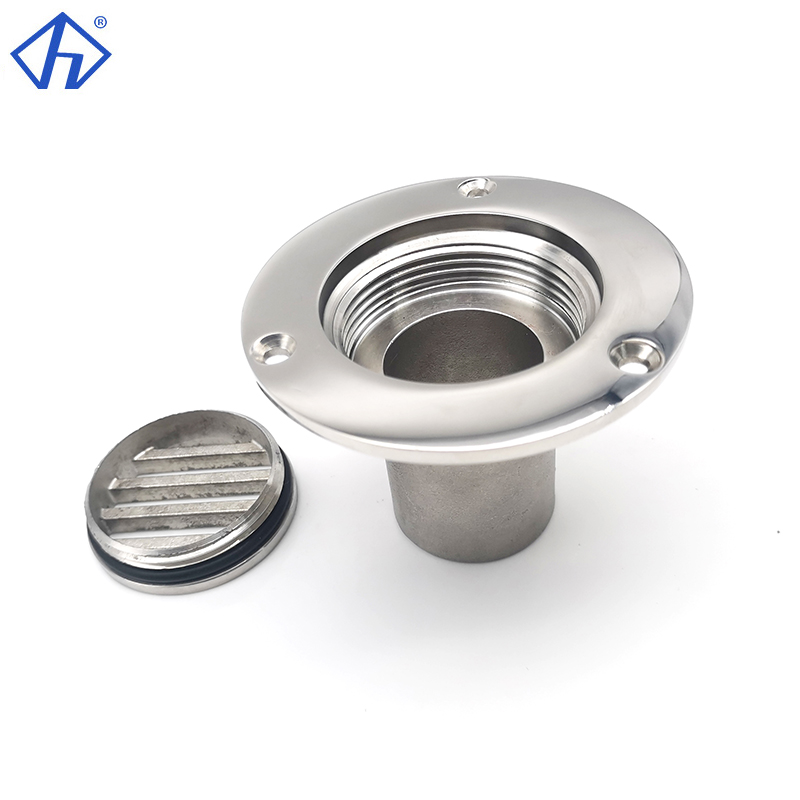
The Function of a Drain Plug in Marine Applications
A drain plug acts as a basic seal. It stops outside water from getting into the hull when the boat is in the water. Plus, it lets built-up bilge water drain out quickly after trips or during upkeep tasks. By keeping inside areas dry, it helps with float and steadiness. This leads to reliable control and protection on the water.
Common Types of Boat Drain Plugs
Threaded Drain Plugs: These use screw threads for a firm, safe fit. They work well on boats that face lots of shaking or choppy seas.
Snap or Flip-Style Plugs: These allow fast removal and no-tool handling. People like them for small boats where ease matters most.
Expansion Rubber Plugs: These grow when squeezed to make a flexible seal. They fit odd-shaped holes or short-term setups nicely.
Materials Commonly Used for Drain Plugs
Brass: It resist rust well and can keep mechanically in sea environment.
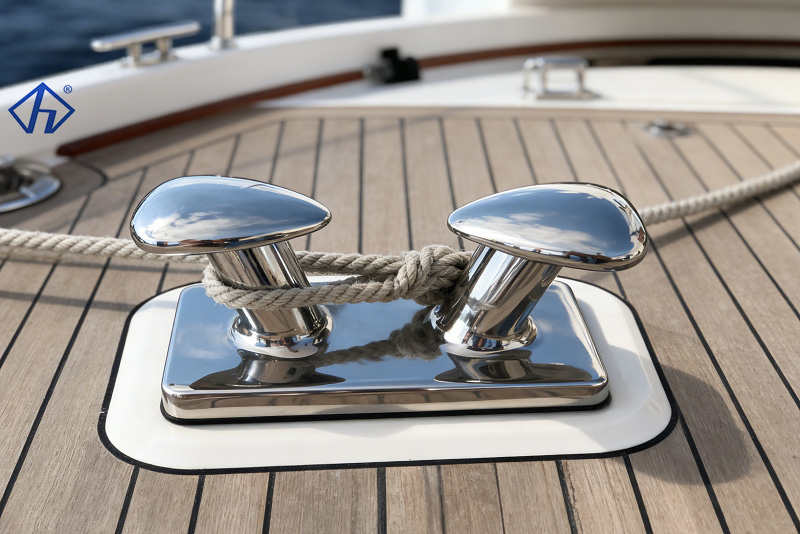
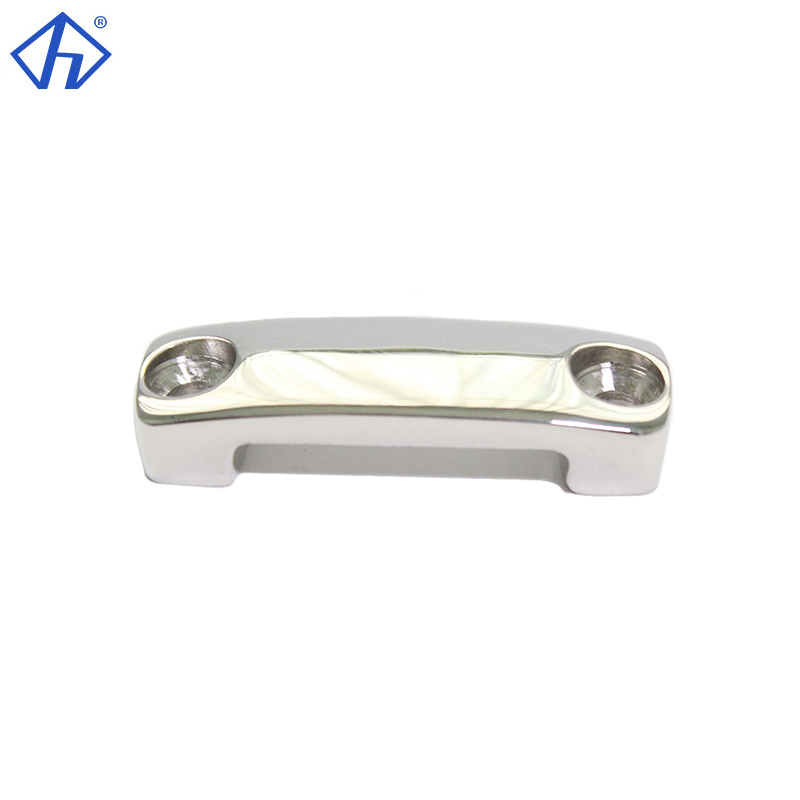
Stainless Steel: This stainless steel material can last a long time and stays robust for many years. It works especially well in salty water. The boat marine floor drain gets better strength and life from casting 316 stainless steel. Its surface has a fine mirror polish and resists rust well in salty water.
Nylon or Plastic: These are light and cheap. They fit small leisure boats best where cutting weight is key.
How to Select a suitable Drain Plug for Your Yacht?
Choosing the suitbale drain plug means that you should think about your yacht’s kind, the surroundings it faces, and how you like to handle the maintenance. A plug that does not fit right might cause drips or added strain on the structure when under force.
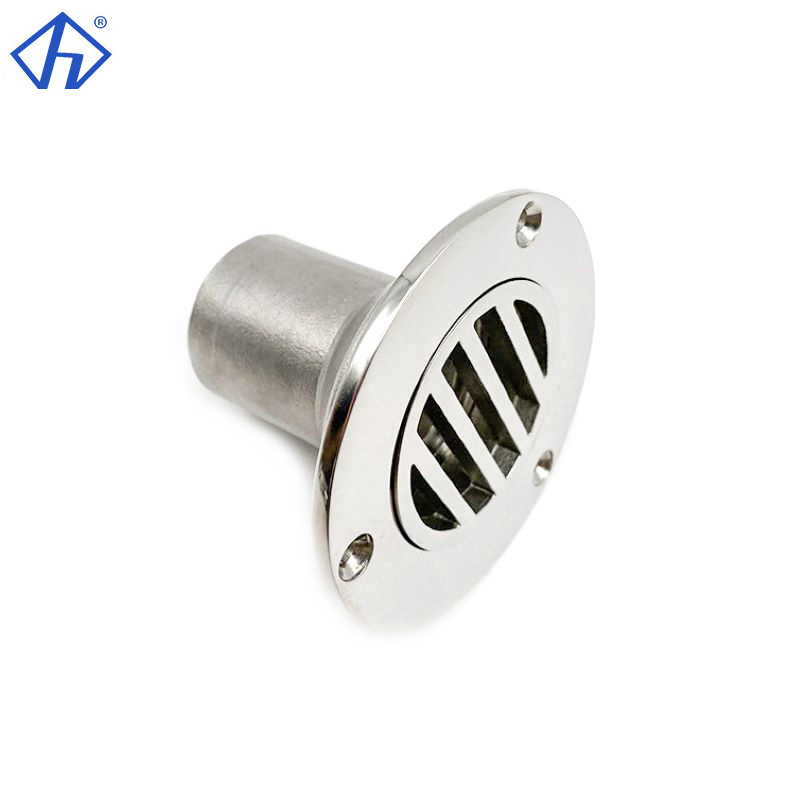
What Factors Need You Consider When Choosing a Drain Plug?
You need to match the plug with the hull’s build, like fiberglass, aluminum, or mixed materials. This decides if you pick metal or non-metal types. The right size makes sure threads grip without messing up. Fighting rust is very important. So, marine-grade metals like AISI 316 stainless steel are top recommendation picks for long use.
Comparing Permanent vs. Removable Drain Plugs
Permanent plugs cut down on the chance of losing them. They stay fixed to the hull. But they make draining less easy during care work. Removable plugs let you clean more easier. However, you have to manage them with care. This avoids losing them or sealing them wrong before heading out.
Installation Requirements for Different Plug Types
Threaded plugs need exact lining up with the hole’s threads. This prevents damage from twisting wrong. Rubber expansion plugs call for even tightening force. It creates squeeze without bending the parts. For snap-style plugs, check them often. Make sure the catch stays solid against shaking.
How Should Boat Drain Plugs Be Installed Correctly?
Good setup ensures a tight seal against different work conditions. Wrong placement can lead to tiny leaks. These leaks might grow worse over time from shaking and heat changes.
Preparing the Drain Hole Before Installation
Clean the drain spot fully of dirt, old glue, or rust bits. Look over the surface closely. This spots worn threads or uneven seats that might hurt the seal’s work.
Step-by-Step Installation Process
- Put on sea-grade sealant that matches the plug’s material if the manufacture need
- Push the plug in firmly with steady force. Too much force might ruin threads or break parts.
- Test with some water after setup. Check for no leaks before using the boat fully.
How to Avoid The Common Mistakes During Installation ?
Twisting metal plugs too hard often harms threads. This cuts their sealing power later. Picking wrong sealants can break down rubber parts slowly through reactions. Skipping regular checks might let hidden wear build up. That could cause quick breakdowns on trips.
How To Maintain Boat Drain Plugs Effectively?
Steady checks lengthen the life of these parts. They also stop risks from rust or tired metal breaks.
Periodic Inspects to Ensure The Optimal Performance
Check the seals, gaskets and O-rings before every time outing. Check for lost bounce or clear splits. For metal plugs, watch for pit marks from rust. This happens a lot in salty areas. Swap them out if they show damage.
Cleaning After Use in Saltwater Environments
Clean all metal accessories with clean water after each excursion. This removes salt bits that speed up rust. Marine floor drains can stop water from coming back into the boat. Use anti-rust spray now and then. It keeps moving bits like threads or levers working smoothly.
Replacement Guide for Worn or Damaged Plugs
If you see splits, drips, or bending near the seal, please change it right away. Keep extra ones on board. This is smart boating practice. It readies you for surprises at sea.
Why Choose Yantai Hiever Metalworks Co., Ltd as Your Drain Plug Supplier?
Yantai Hiever Metalworks Co., Ltd. leads as a top maker of carefully built sea tools. They focus on tough water settings.
Key Advantages of Partnering with Yantai Hiever Metalworks Co., Ltd
Marine floor drains can prevent water from flowing back into the ship. Our casting deck drains last longer and have a polished surface for simple cleaning. The company uses AISI 316 stainless steel. This gives better rust fight than regular 304 stainless steel. The reason is its molybdenum, which boosts handling of salty water. Their mirror-polished finish adds nice looks. It also cuts down on dirt buildup on deck spots. This helps lower upkeep over time.
Hiever’s making skills include investment casting. This method creates exact parts with steady sizes in big batches. So, each drain plug hits world quality rules that pro sea users need everywhere.
Their items go beyond yachts and fishing boats. They reach offshore setups where steady work under heavy use is vital. This shows their building skill based on deep metal knowledge.
What Are the Latest Innovations in Boat Drain Plug Design?
New sea tool designs mix better materials with clever features. The goal is to boost ease for users and cut upkeep needs.
Emerging Materials Enhancing Durability
Mixed polymers now match metals in strength while being lighter. This helps where saving fuel counts. Stainless steel types with tiny ceramic layers fight salt-based rust better in sea work.
Casting floor drain are durable and can withstand the high frequency use and heavy pressure of ship operations. These changes stretch out how long they last compared to old brass parts. They keep solid form across big heat shifts.
Smart Features Integrated into Modern Designs
Plugs with built-in sensors spot small leaks on their own. This is the coming wave in upkeep ahead of time. Fast-open styles make yearly draining simpler. They allow no-tool pull-out even in tight spots. Pro teams value this when handling many boats at once.
Conclusion
Boat drain plugs are tiny but vital pieces in a boat’s safety setup. Pick them wisely based on fit. Set them up right with good steps. Keep up with checks tied to the water you face. This way, users get steady trust in all kinds of sea work. Makers like Yantai Hiever Metalworks Co., Ltd show how exact building with top stainless steel lifts both steady work and sure handling for boat groups around the world.
FAQs
Q1: How often should the boat drain plugs be replaced?
A1: How often you replace them depends on the material quality? And how much you use the boat. It usually falls between two to three seasons. Swap earlier if you see clear wear from lots of salty water trips.
Q2: Can one type of drain plug fit all boats?
A2: No. Boats differ in hull shape, size needs, thread setup, and fit style. Always check the maker’s papers to confirm it matches before putting it in.
Q3: Is it necessary to use sealant with every drain plug installation?
A3: Not always. Some types have built-in seals that keep water out on their own. Still, adding sea-grade sealant boosts guard against small leaks. This is key in high-force spots like open-sea paths where the hull bends often.



Leave a comments