

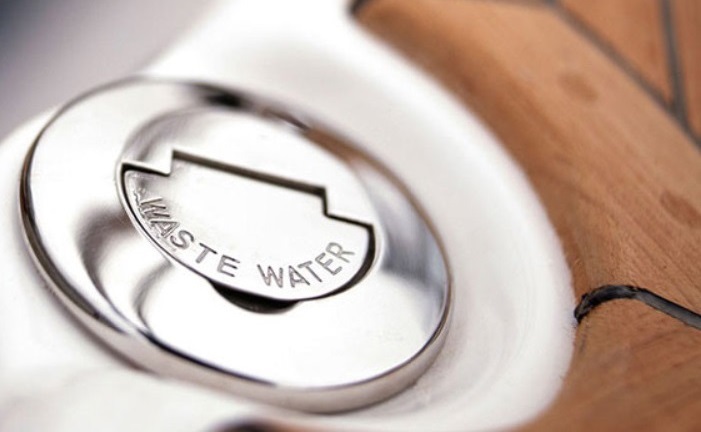
Sealing redundancy stands as a basic engineering idea in marine hardware design, especially in freshwater deck fillers. Here, keeping water clean matters a lot. The idea makes sure that if one sealing part breaks down, another separate barrier still guards against outside entry. This method cuts down the chance of mixing in seawater, fuel leftovers, or dust from the air during boat work.
Key Principles of Redundant Sealing Design
Systems with several sealing layers work as step-by-step defenses against liquid entry. Each layer runs on its own. It gives extra safety if another seal wears out or gets damaged. Material fit is key to this setup too. Each gasket or O-ring needs to keep its bounce and resist chemicals after long time in sea settings like salt mist and sun rays.
Choosing the right sealing materials such as EPDM or fluorocarbon compounds brings steady dependability over time. These items hold up well against swelling and breakdown when faced with heat shifts and salt level changes that boats often meet at sea.
Engineering Considerations for Effective Redundancy
Designs for deck fillers include ways to balance pressure. This helps lower strain on seals from differences in pressure between the tank inside and the outside world. Experts fine-tune seal shapes and squeeze levels using computer models and real tests. They aim for steady sealing work even after many cap uses. Factors like heat changes, moisture levels, and salt amounts also come into play during planning. These help forecast how long seals will last with good accuracy.
How Does Cross-Contamination Occur in Freshwater Deck Fillers?
Cross-contamination in freshwater deck fillers can happen from various mechanical, material, or process issues. When unwanted things like seawater or fuel enter freshwater storage, they harm cleanliness on board and safety during operations.
Common Sources of Contamination
Flow back from nearby tanks ranks as one of the top reasons for contamination. It often stems from weak valve separation during refueling or upkeep tasks. Failures in caps or seals let seawater in during deck cleaning or rain. Plus, germs can grow in filler necks where old water sits and builds up.
Mechanical and Material Vulnerabilities
Gaskets made from unfit materials break down under sun rays or chemical contact. This creates tiny leak routes as time passes. Rough machining on parts can leave small openings where unwanted items slip in, even if things look tight. Breaches from rust add to the problems. Once metal parts start to rust, they get rough. This hurts the smooth touch needed for strong seals.
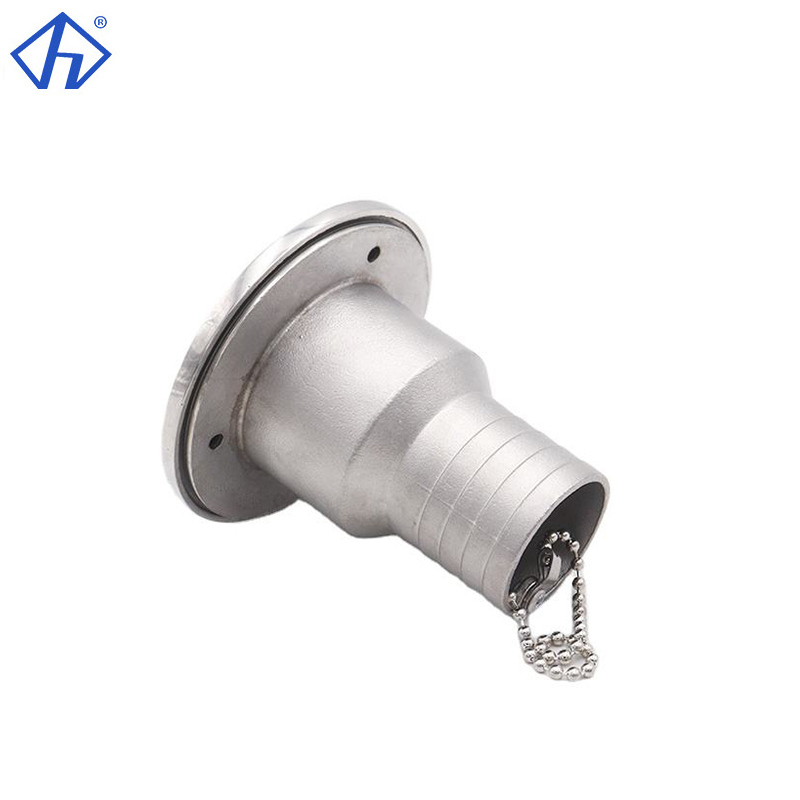
Why Is Engineering Precision Critical in Deck Filler Design?
Precision in engineering sets the steady work and length of use for marine deck fillers. Small errors in size can cause uneven squeeze on gaskets. That leads to drips or early damage.
Design Tolerances and Manufacturing Accuracy
Strict cutting limits cut down on mismatches between filler parts. This ensures even spread of force over sealing areas. Smooth finishes on surfaces boost gasket work too. They remove tiny rough spots that might scratch rubber seals during squeeze times. Tools like CNC machining let makers copy exact shapes in large runs. This brings steady quality checks.
Testing Protocols for Verification of Seal Integrity
Tests with water pressure check if a system holds no leaks under real stress levels. Methods using helium spot tiny flaws that normal checks miss. This gives strong trust in the product’s strength. Tests for fast aging mimic years of weather in just weeks. They expose seals to switches in heat, wetness, and salt levels.
How Can Maintenance Practices Enhance Sealing Performance?
Regular upkeep helps keep redundant sealing strong over a boat’s full working years.
Inspections and Replacement Time Interval
The planned inspections should focus on checking whether the gaskets and covers have any early signs of bending or cracking.Do this before they stop working right. Times for swaps vary by hours in use and weather strains. But they usually fall between one and three years for sea-tough rubber parts. Sticking to parts from the original maker keeps new seals matching the first ones exactly.
Cleaning and Storage Procedures for Deck Fillers
Wash with fresh water after each time to stop salt from building up near seals. That buildup could scratch surfaces as it dries. Covers that protect keep open fittings safe from sun damage when boats stay at dock for long stretches. Rub on lubes that work well with rubber to keep them bendy. Yet, these should not harm the material’s hold together.
How Does Yantai Hiever Metalworks Co., Ltd Support Reliable Deck Filler Solutions?
Deck Filler & Tank Vent serve as key basic gear for sailing. Yantai Hiever Metalworks Co., Ltd has built the namecard that they are skilled maker focused on tough marine hardware built to last in rough sea environment.
Promise to Quality and Innovation
Hiever’s deck filler and tank vent use 316 stainless steel all through. They build them to top levels. The firm’s choice of 316 stainless steel brings better fight against rust than cheaper options like 304 stainless steel. This comes from the molybdenum that boosts hold-up against sea water contact. Modern CNC machining gives exact size control. That matters for keeping sealing redundancy in many product types. Ongoing work in research and development targets better setups for multi-layer seals. These lengthen use time and cut down on upkeep needs.
Global Supply Capability and Technical Support
Yantai Hiever provides a wide range of items for different boat kinds, from fun yachts to work ships. This fits various freshwater setups. Options for changes let them adjust for special fit shapes or rules in different areas. A special team for tech help gives advice on right setup steps, ways to prevent issues, and fixes for problems. All this aims to boost time without breakdowns.
What Are the Future Trends in Cross-Contamination Prevention Engineering?
New tech is changing how engineers handle contamination control in freshwater setups. It uses better material knowledge and links to digital watching tools.
Integration of Smart Monitoring Systems
Sensors built in can spot small changes in pressure. They catch seal wear early, before any drips start. Data sent in real time goes straight to boat controls or far-off watch setups. This lets teams plan fixes ahead, not just react after trouble hits.
Development of Advanced Seal Materials
Mixed rubber types blend fluorocarbon with plastic strengtheners. They give stronger fight against chemicals and stay bendy in big heat ranges. Tiny particle coatings on metal parts cut down on rub wear between parts that move, like caps and threads. As a result, this lengthens both machine life and seal strength.
Conclusion: Advancing Safety Through Engineering Excellence
Stopping cross-contamination in freshwater deck fillers relies on careful engineering plans backed by extra sealing builds, material tweaks, and steady upkeep habits. Makers like Yantai Hiever Metalworks Co., Ltd show how exact building with top materials such as SS316 stainless steel can bring solid fixes. These protect water cleanness even in tough sea spots.
FAQs
1. What materials are most effective for redundant seals in freshwater deck fillers?
Sea-tough rubber like EPDM or fluorocarbon compounds stand out for their strong hold against UV rays, saltwater touch, and heat shifts. At the same time, they keep their spring over long periods.
2. How often should deck filler seals be inspected or replaced?
Checks need to happen at least once each working season or after long trips. Swap times often span from one to three years based on how much use and what weather hits them.
3. Can Yantai Hiever Metalworks provide customized solutions for specialized vessel configurations?
Yes, Yantai Hiever Metalworks offers custom-built deck filler plans fit to exact boat setups. This ensures they meet both work rules and needs for each client’s fit.




Leave a comments