W e l c o m e t o H i e v e r
M e t a l w o r k s

Loading

Stainless Hinge

Stainless Hinge

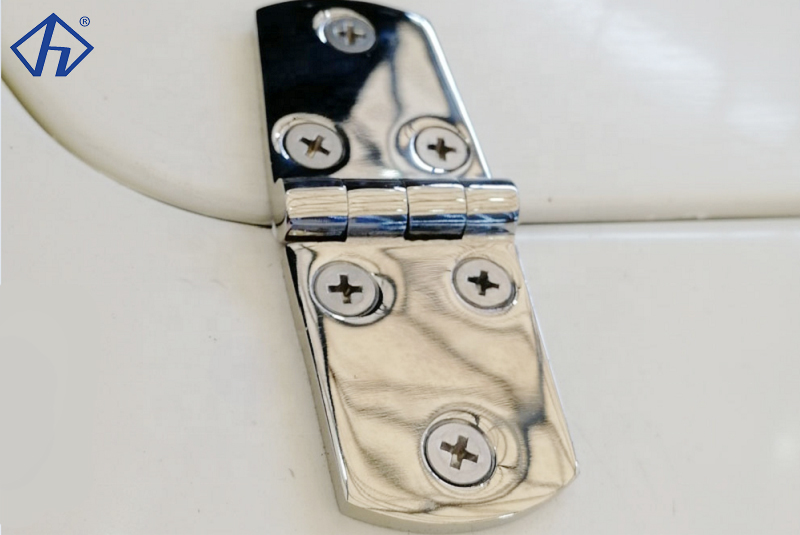
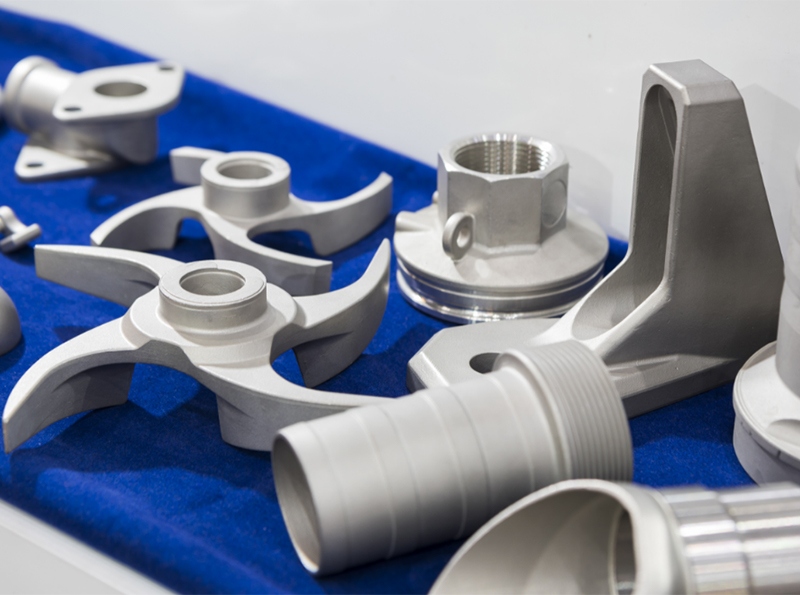
Hiever offers marine stainless steel hinges manufactured using two different processes: precision casting hinge and stamping hinge. A variety of models and sizes are available to provide robust and reliable connection solutions for all types of vessels and industrial equipment. Whether it's large cargo ships, yachts, speedboats, or manufacturing and other industries, you can find suitable stainless steel hinge products from Hiever.
Marine Cleat &Bollard& Fairlead

Marine Cleat &Bollard& Fairlead

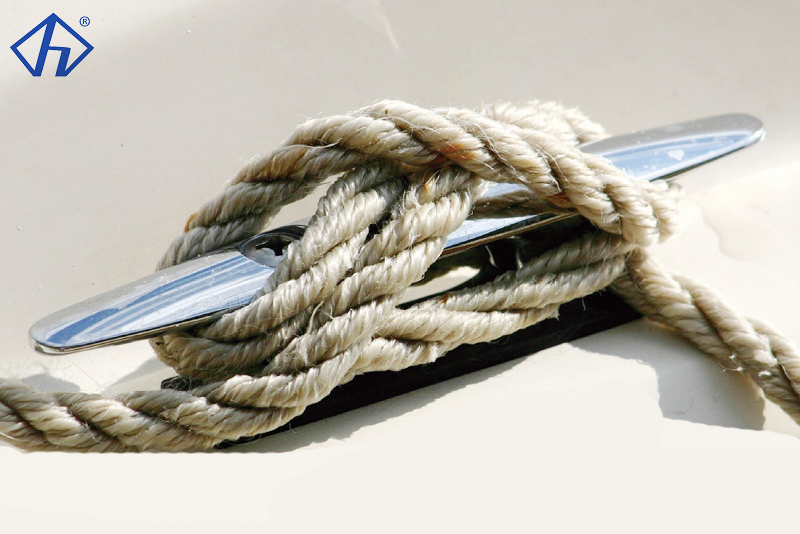
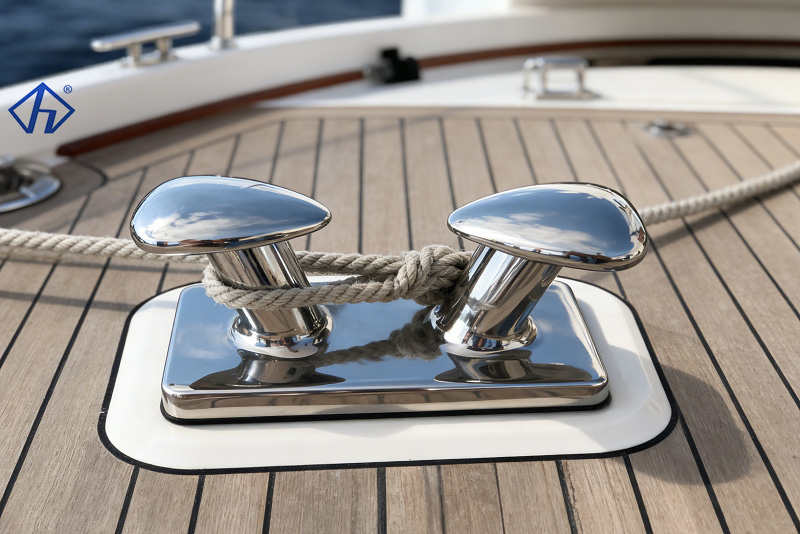
Safe mooring is the fundamental guarantee for ship navigation. Hiever's meticulously crafted cleat, bollard, and fairlead mooring accessories provide a solid safety barrier for various vessels with their high quality and strong adaptability. Suitable for yachts, cargo ships, workboats, motorboats, etc, they are your reliable partners on the road. All Hiever cleat, bollard, and fairlead products undergo rigorous quality testing, with a commitment to quality at every stage, from raw materials to finished product delivery.
Deck Filler&Tank Vent

Deck Filler&Tank Vent

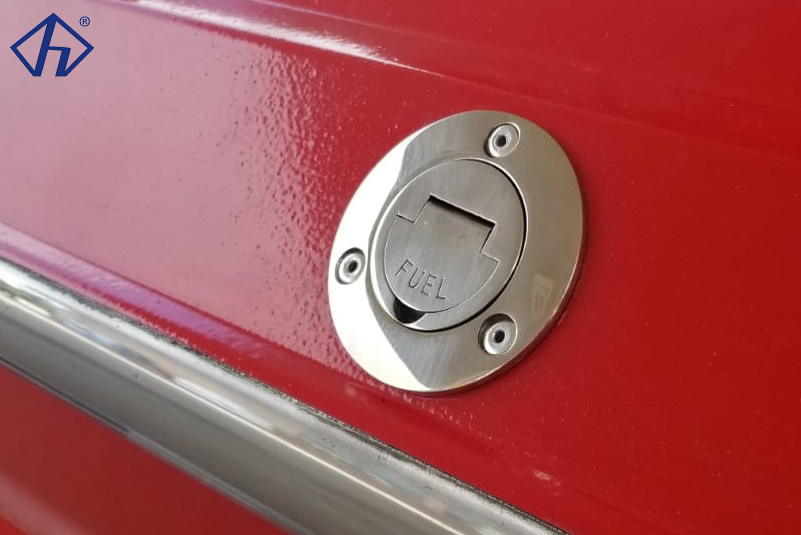
Deck Filler & Tank Vent - an essential hardcore accessory for sailing. Hiever's deck filler and tank vent are all made of 316 stainless steel and crafted to the highest standards. It is salt spray resistant, leak-proof, and highly durable, ensuring worry-free resupply and ventilation during voyages.
Outlet & Drain

Outlet & Drain

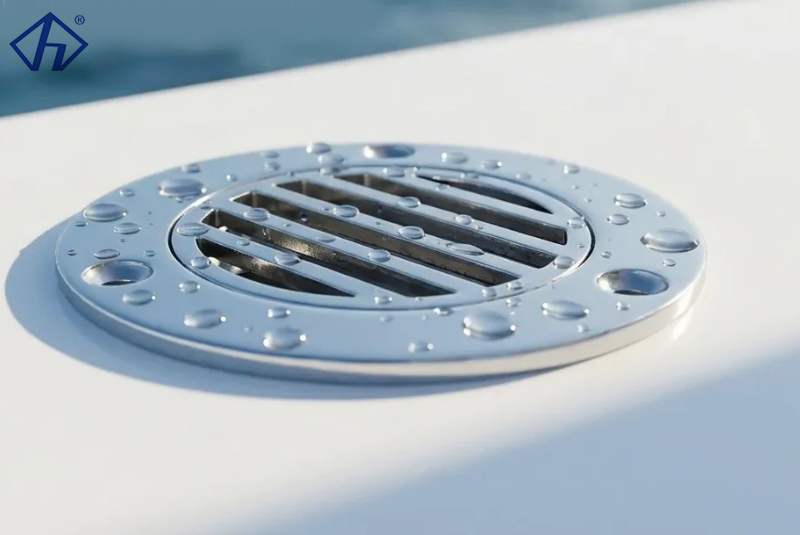
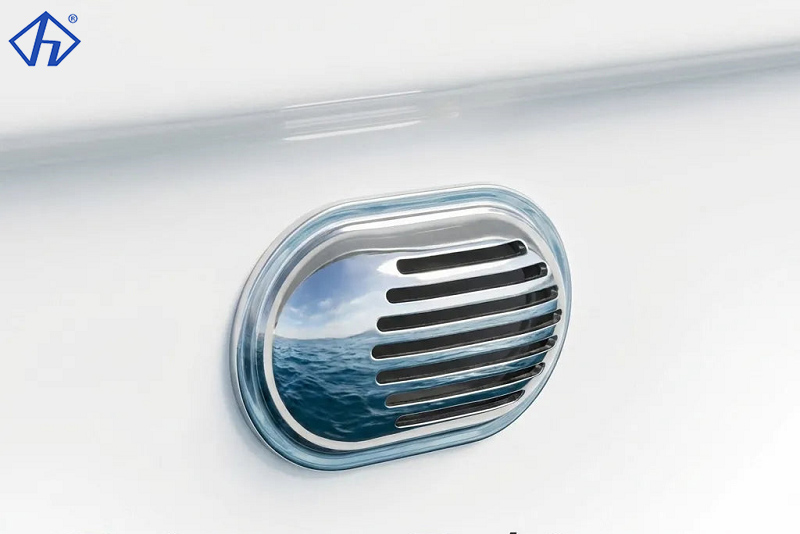
Hiever Metalworks has high quality yacht thru hull outlet and drainage scupper to satisfy your needs for both marine and other various applications .These thru-hull fittings are made of heavy duty stainless steel AISI316 which keep maximum corrosion resistance and durability in the saltwater, smart design and accuract dimension enable convenient installation to suit for different occasions. If you are sourcing marine accessories such deck scupper ,floor drainage kit ,bilge drain deck drain plug, through hull stainers, HIEVER is always your best choice!
Handrail Accessories &Bimini Fittings

Handrail Accessories &Bimini Fittings

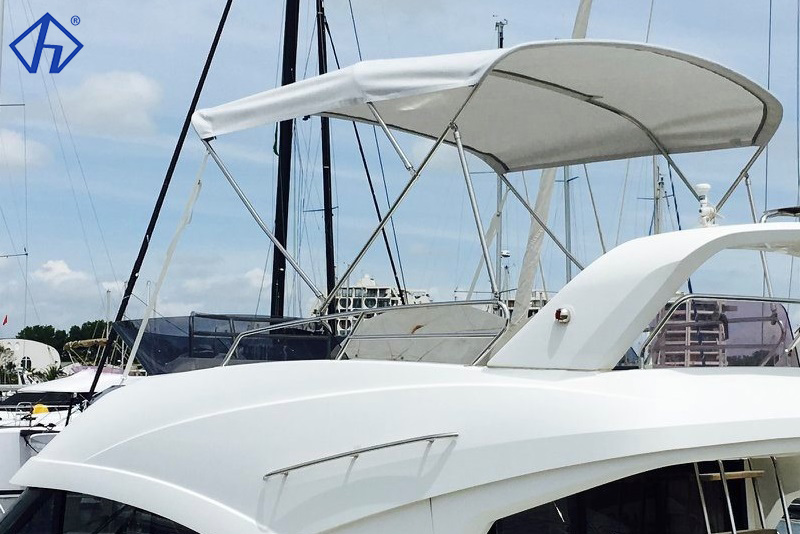
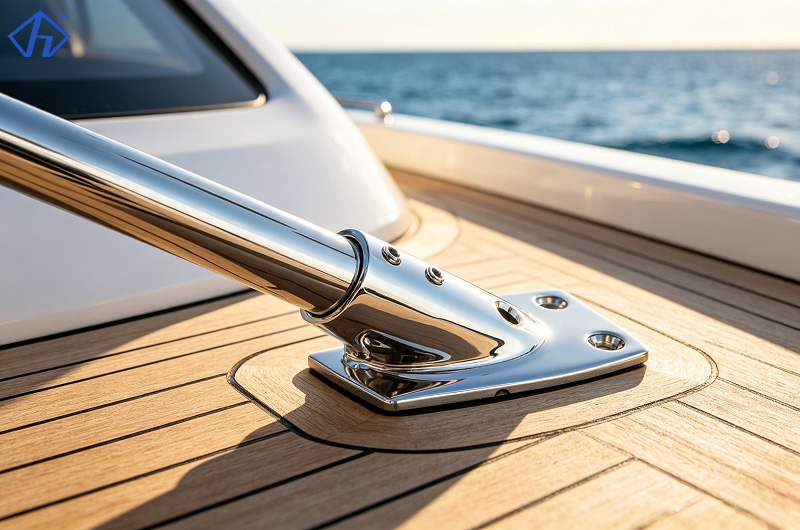
Stainless Bimini fittings are important components to set up your boat’s bimini top and keep the security for your yachts, including top hinge, rail base, top cap , pipe plug,top insert, jaw slide, rail tee, sliding sleeve,rail elbow,stanchion bracket,rail end,and other rail fittings.Quality marine bimini hardware ensure the bimini 's proper and easy mounting. Come to discover Hiever’s durable and stylish bimini top fittings and rail mounting accessories , contact us for more information!
Cabinet &Hatch Hardware

Cabinet &Hatch Hardware

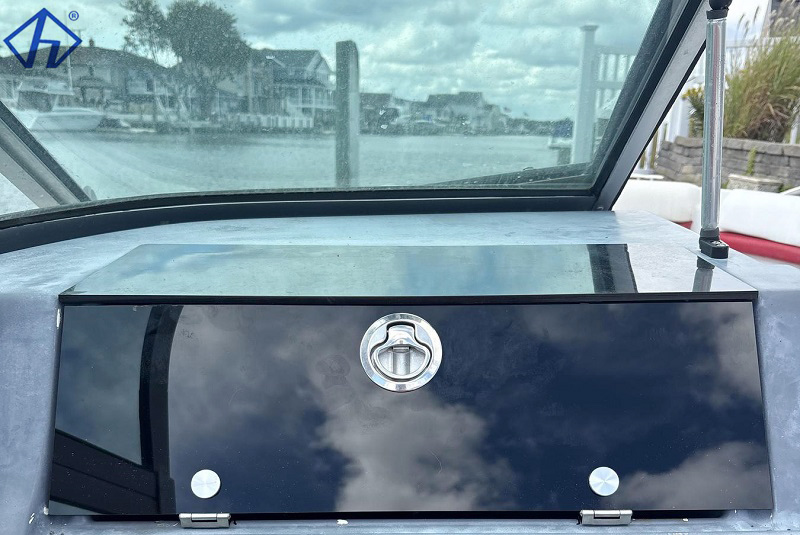
Except marine yacht and vessel,stainless marine cabinet hatch latch is also widely used for other applications,including: wooden cabinets or boxes ,RVs, trucks, electric enclosures, trailers,furniture,locker,doors, drawer, machinery equipment and other compartments. What are the reasons to explain the versatility? Answer is corrosionresistance,durability,security,weather-proof,exquisite surface,etc. If you require the good quality pull ring,hatch latch, barrel bolt, flush lift handle,slam latch,door pull lifting, do not hesitate to send your inquiry to us !
Products Advantages
  • Various Models

    A plenty of high grade stainless hardware for your choice, regular finished items or semi-finished parts in stock,we can meet your needs well.
  • Competitive Pricing

    Reasonable favourable price ,flexible pricing system, making you win the market is our goal.
  • Professional & Reliable Service

    No matter order or not , we are always here to provide you warm and professional service.
HOME ABOUT3
Features

Sign Up and Never Miss a Deal Again

We are committed to providing our customers with excellent service, competitive pricing, and a wide variety of products to choose from.

    Your Name*

    Email*

    Tel*

    WhatsApp*

    Message*

    FAQ

    Frequently Asked Questions

    Hieve RFQ 2
    We can offer a free one-piece sample for our existing standard products, but the customer will be charged for express freight; for customized products, customer need firstly arrange for the cost of mold development for start.
    We already sell to about 30 countries, such as America, France,Australia, Poland,Germany,Canada ,England,Thailand, UAE, Saudi Arabia, India, Brazil, Malaysia,Singapore,etc.
    We do OEM /ODM, We can quote and produce according to your sample or drawing, and our engineer team would like to offer the professional advice and technology solutions for your reference.
    Mold development and new sample: about 40 days (10 days for mold development +30 days production process). For the existing standard products which we have enough stock, 3-4 working days for package; for the standard products that we only have semi-finished blank parts, need about 15-20 days; for the items need produce from the beginning casting process, it usually takes about 30-45 days.
    Latest News

    Check out our blog

    View More
    Trend Toward Modular Shipbuilding Heavy-Duty Hinges in Automated Hatch Systems

    Trend Toward Modular Shipbuilding: Heavy-Duty Hinges in Automated Hatch Systems

    The shift towards modular building and greater automation in new shipbuilding has brought Heavy-Duty Stainless Steel Hinges to the forefront, particularly for use in Automated Hatch Systems. The standard hinge is no longer suitable for marine use and Hinge Specialists have had to design and manufacture Heavy-Duty Stainless Steel Hinges that can work in perfect harmony with other structural modules, actuators and smart control systems. We can supply marine stainless steel hinges, precision casting hinge and stamping hinge made. We have a wide selection of hinges for modular shipbuilding. Large cargo vessels, recreational vehicle,offshore platforms, luxury yachts and more, are equipped with sturdy connections made by Hiever hinges, designed to withstand saltwater, vibration and mechanical stress for long periods of time. How Is Modular Shipbuilding Reshaping Modern Marine Engineering? Key Principles Behind Modular Ship Construction Prefabrication and parallel construction are the cornerstones of modular shipbuilding. The entire ship structure is assembled from prefabricated modules, such as hull sections or a hatch automation system, which are made separately. Better quality and precise measurements are ensured by this more effective production method. Additionally, it also shortens the whole production time. Advantages of Modular Design in Automated Systems Within a modular framework, interfaces can be standardized, which simplifies the process of installing and maintains automation solutions. For example, automated hatch systems can be delivered pre-assembled with hydraulic actuators and sensors. Also, hatch cover automation systems can be easily equipped with smart monitoring or even with predictive maintenance solutions later on. Importance of Heavy-Duty Hinges for Automated Hatch Systems. Heavy-duty stainless steel hinges are the mechanical core of automated hatch assemblies. Hinge sections have to carry heavy loads whilst maintaining exact alignment under changing marine conditions. Structural Demands on Marine Hinges Hinges on a marine vessel are subject to repeated high impact forces, such as from waves, as well as torsion from loading and unloading of cargo. These parts are also subject to corrosion from the saltwater environment. Even slight amount of wear can cause problem with the alignment of actuators or cause leakage of seals. Thus, the geometry and the material selection of a hinge part has direct correlation to safety of the vessel in operation. Performance Standards for Heavy-Duty Hinges Major performance indicators include bearing strength, fatigue resistance, corrosion resistance, welding integrity and automatic system compatibility. Hinges used for automated hatches shall integrate seamlessly with hydraulic and electromechanical actuators,to ensure low friction during movement cycles. What Does Impact Load Resistance Research Reveal About Hinge Performance? The capacity of a hinge to absorb energy from sudden shock or cyclic loading at sea is determined by the impact load resistance. Experimental Methods in Load Resistance Analysis Finite Element Analysis (FEA) provides a virtual investigation by calculating stress in any part of the lock during operation. By running for a longer period of time, we can also gain insight into fatigue. In our test lab we can replicate millions of opening and closing cycles to test the endurance of a lock. A salt spray test simulates corrosion in a controlled test set up to accelerate marine corrosion in a short period of time. Findings from Recent Heavy-Duty Hinge Studies Study and testing have shown that optimum hinge design can reduce local stress concentrations at pivot points whilst the distribution of load in multiple axes will increase the service life of the hinge. In addition strengthened welds to all impact loaded joints will also extend the life of hinges on board ships that are continuously operating in poor weather conditions. Which One Is Better Between SS316 And SS304? The choice of material for hinges is the key when using them in marine environments. Material Corrosion Resistance Strength Marine Suitability Maintenance SS304 Good Medium Mild Marine Use Moderate SS316 Excellent High Offshore & Harsh Marine Use Low Why SS316 Is The Best Choice for Marine Applications? SS316’s molybdenum composition enhances the corrosion resistance in chlorides, a common corrosive in seawater. High-quality, long lasting SS316 Hiever marine grade cabinet door hinges are easily fitted for use in salt-alkali soil, lakes, ocean, swamps and other applications. The superior fatigue and thermal resistance of SS316 makes it particularly suitable for offshore platforms and naval ships and boats where exposure to the most extreme environments occur. How Do Stainless Steel Boat Hinges Boost Long-Term Reliability? Stainless steel boat hinges keep their mechanical performance for years. The hinges not only stand resistant to corrosion, but also with great tensile strength. Merits of The Stainless Steel Hinges Anti-Corrosion Performance: To prevent rust, chromium forms a protective oxide layer. High Structural Strength:Sturdy hatch panels are supported without bending. •Fatigue Resistance: Can tolerate repeated loads without developing cracks. • Thermal Stability: Consistently operates at different temperatures. Low Maintenance: Compared to coated carbon steels, it requires less maintenance. Low Maintenance:Requires minimal servicing compared with coated carbon steels. Hiever Metalworks Stainless Steel Stamped Butt Hinges are precision-made from stainless steel to ensure excellent resistance to corrosion. Years of exposure to seawater splashes and UV radiation, the hinges will remain reliable. Typical Failure Modes Failure modes include: corrosion from wrong material selection; fatigue cracking around welds; installation errors resulting in unsymmetrical stress; hinge seal failure from hinge deformation; and excessive wear on pivot pins due to vibration. Preventive Measures Using SS316 materials, periodic inspections, correct alignment during assembly, regular lubrication of moving parts and quality components from certified marine hardware manufacturers, extend the service life. How Is Automation Changing Marine Hinge Design? Increased precision in terms of higher tolerances in hinge parts as well as more sensor integration in the hinge area are required for automated use. Integration with Smart Control Systems Modern automated hatches are equipped with synchronized hydraulic cylinders which are monitored by sensors. The torque as well as the position of the hatch is recorded in real time by the sensors. Thus, the hinge of the hatch has to follow a precise path of movement without any play or backlash of the hinge, since otherwise it could affect the control program. Design Adaptations Driven by Automation Automation trends for marine hatch covers, such as automation, emphasize smaller cover designs to allow for more space on a ship as well as design modifications to allow for improved water sealing. A number of hinge designs have been created that are easily disassembled allowing for a single part to be changed as opposed to having to remove an entire hatch system. This design feature is a big advantage for a large number of vessels during the maintenance cycle. How to Choose the Right Heavy-Duty Marine Hinge? When select hardware, engineers should consider the required operational loads: environmental exposure levels,the welding and bolting styles, opening angle to meet hatch geometry, the compatibility of the automation with the chosen actuators or sensors, and operating space for maintenance. Why Choose Yantai Hiever Metalworks Co., Ltd? As the experienced supplier for the life long period of the vessel, it not only can supply high quality products, also can make sure the related system works well. Yantai Hiever Metalworks Co., Ltd is a experienced manufacturer, mainly produce high quality stainless steel material precise manufacturing boat hinges. Those marine grade boat hinges are suitable for working in very harsh marine conditions. Manufacturing Expertise Our manufacturing processes include the use of CNC machining to produce accurate dimensions, and investment casting to produce components with dense internal structures with no porosity. We can offer a variety of models and sizes to provide heavy duty connections for tanks and industrial plant. Industry Applications Hiever’s stainless steel heavy-duty hinges are used on a wide range of applications from cargo ships to offshore engineering platforms, from naval installations to yacht decks, from industrial enclosures to modular shipbuilding modules that require high loads in harsh corrosive environments. Quality Assurance An extreme quality control process is in place to test raw materials on receipt by means of spectrometric analysis, and subsequent surface finishing by means of methods such as mirror polishing or passivation to increase the corrosion resistance. Their OEM/ODM production model is flexible enough to meet specific needs of automation in modern shipbuilding yards, through customized production. What Are the Future Directions for Impact Load Resistance Research? New research merges progress in materials science and monitoring technology to achieve more precise lifespan of individual components. New Technological Development Trends • Composite materials with a blend of properties: Combining the durability of metals with lightweight composite materials to reduce weight without sacrificing strength. • Monitoring with artificial intelligence: Embedded sensors analyze real-time stress patterns to develop predictive maintenance plans. • 3D printing manufacturing: Optimizing hinge geometries through 3D printing to reduce weight while maintaining structural integrity. • Intelligent marine hardware: Integrating electronic devices to enable self-diagnosis and reporting of wear and tear. • Ultra-lightweight structural design: Optimizing material usage through calculations to reduce material consumption while maintaining adequate safety under impact loads. Conclusion Heavy-duty stainless steel hinges bring together mechanical engineering of the highest precision with the digital automation of modern shipbuilding in a modular format. These extremely robust hinges are able to withstand any impact loading, and are corrosion-proof, making them ideal for use in modern ship construction. The latest advances in metallurgy, such as the use of the high-quality SS316 alloy, combined with perfect manufacturing by companies such as Yantai Hiever Metalworks Co., Ltd. are enabling the marine industry to develop ever more efficient, highly automated ship systems for the future. FAQs What are the key selection parameters for hinges on a modular ship design, such as a offshore floatel or accommodation vessel? Load capacity, corrosion resistance (higher resistance with SS316), fatigue life under cyclic loading, actuator compatibility with proposed automation systems, mounting configuration flexibility and access for maintenance. SS316 is the preferred grade for marine hinges as it has greater resistance to corrosion from chlorides than SS304 and also greater fatigue strength for use in offshore situations. What does impact load testing do for marine hinge reliability? It determines potential failure points by testing the hinge to simulate various phases of sea operation allowing for design modification of hinge geometry or weld procedure prior to sea exposure. Heavy-duty marine hinges for automated hatch systems can be customized to work with hydraulic actuators or smart sensors in modular shipbuilding automation systems. We at Yantai Hiever Metalworks can supply you with customized marine hinges. How long do stainless steel marine hinges typically serve? With proper maintenance practices—including lubrication schedules and inspection intervals—marine-grade SS316 hinges can perform reliably over many years,even under constant seawater contact and vibrational pressure.
    Deck Cleat

    How to Choose the Right Deck Cleat Size for Your Boat

    The selection of deck cleat size holds a key place in keeping mooring tasks safe and smooth. Picking the best cleat calls for looking at boat size, rope thickness, material toughness, and setup arrangement. A well-chosen cleat spreads out the weight evenly when tying up. On the other hand, a too-small cleat might break under pressure. Meanwhile, a too-large one could fit poorly in tight deck areas or current boat styles. Boat owners, builders, and sellers of marine gear need to grasp cleat sizing well. This knowledge aids safety and lasting strength. To pick wisely, one must first learn what “deck cleat size” truly means. Also, one should note the elements that shape it. What Is a Deck Cleat Size? Deck cleat size points to the basic measurements and weight-holding power of a cleat for tying ropes on boats, yachts, and piers. It goes beyond just length or looks. In fact, it ties straight to: Load-bearing capacity Rope compatibility Vessel size suitability Installation strength Before choosing a cleat, several practical and working factors need review. This ensures solid results in sea settings. What Factors Determine the Proper Deck Cleat Size? Picking the right cleat means checking various everyday sea situations. One should avoid simple guesses based on sight. These elements combine to decide if a cleat can manage tying and docking weights safely. Vessel Length and Displacement The boat’s overall size stands as the main guide for cleat needs. When length and weight grow, the forces from tying up rise a lot. This happens because of wind push, wave pull, and water flow. A basic rule in boat building holds that bigger boats need matching larger cleats. Thus, they handle weights without risk. Mooring Line Diameter The rope’s thickness has to fit the cleat’s shape for firm tying and even weight spread. If the cleat proves too narrow for the rope, stress builds unevenly. Yet, if it’s overly wide, the knot might not hold as well. In daily use, the cleat needs to let the rope loop tightly in a figure-eight way. It should avoid too much slide or squeeze. Deck Structure and Mounting Strength Right-sized cleats can still give way if the deck lacks support. Slim fiberglass or mixed-material decks often call for added plates underneath. These help share the weight better. Good placement in line with the pull direction matters too. It stops stress from bunching up at fix points. Boat Cleat Size Chart (Practical Engineering Reference) This table offers a straightforward industry guide for cleat picks based on boat length. People in marine gear choice and boat setup often turn to it. Boat Length Recommended Cleat Size Rope Diameter 10–20 ft 4–6 inch cleat 3/8 inch 20–30 ft 6–8 inch cleat 1/2 inch 30–40 ft 8–10 inch cleat 5/8 inch 40–60 ft 10–12 inch cleat 3/4 inch The chart sets a starting point for choices. However, one must also weigh real factors like wind force, how often docking happens, and the boat’s kind. How Does Material Selection Affect Deck Cleat Performance? After settling on size, the choice of material steps up as a major point for strength over time and fight against rust. Sea settings bring salt water, sun rays, and physical wear to cleats. For that reason, material strength proves vital. 316 Stainless Steel Marine Grade Construction In actual sea work, 316 stainless steel ranks as the top pick for deck cleats. It stands out for strong defense against rust and spots in salt water. Top marine cleats come from precision casting (investment casting) methods. These build solid frames and exact shapes. Common traits cover: Marine-grade 316 stainless steel Mirror-polished surface with superior corrosion resistance High tensile strength for mooring loads Suitable for offshore and coastal environments Folding Deck Cleats (6″ & 8″ Design Applications) Today’s sea boats lean more toward folding (flush-mounted) deck cleats. They boost safety and deck use. A standard case involves 6-inch and 8-inch spring-loaded stainless steel folding cleats. Builders design them for boats, yachts, and pier setups. Main points include: Flush-mounted design to reduce tripping hazards Spring-loaded mechanism for easy operation Through-bolt installation for structural strength Suitable for both recreational and commercial vessels When idle, the cleat folds flat into the deck. This keeps the area clear and smooth. Such a feature fits well in fresh yacht styles. Why Folding Deck Cleats Are Used in Modern Boat Design Boat styles shift to focus on safety and simple looks. As a result, folding cleats turn into regular parts on many boats. Their build brings real work benefits and nice visual appeal. Flush Mount Design for Deck Safety Folding cleats lie level with the deck when not active. This cuts down on stumble risks and aids safe walking aboard. Such a setup proves key in busy spots like yacht tops or work boats. There, smart use of space counts a great deal. Spring-Loaded Mechanism for Ease of Use Most new folding cleats include a spring help system. It lets users raise and lock them fast. This setup speeds up tying tasks in docking. It helps especially when wind or water levels change quickly. Load Capacity Considerations in Deck Cleat Selection The ability to hold weight stays as the top build factor in picking cleats. Even strong stainless steel cleats demand correct sizing for boat needs. The usual 6-inch and 8-inch types see wide use. They strike a good balance in: Load capacity Rope compatibility Deck space efficiency Installation flexibility Smaller boats often pick 6-inch versions. Yet, yachts and bigger craft tend to need 8-inch or greater ones. How Installation Affects Deck Cleat Performance Sound setup proves key for ongoing safety and toughness. A cleat acts not merely as an add-on. Rather, it serves as a weight-support part of the structure. Through-Bolt Installation Method Sea-quality cleats call for full-through bolts in setup, not just screws. This approach brings: Even load distribution Higher pull-out resistance Long-term structural stability For fiberglass or blend decks, added plates below work well. Corrosion Protection and Sealing Seal all fix spots with top sea sealants to block water entry. Doing so lowers inside rust chances. It also lengthens the whole setup’s useful time. Common Mistakes When Choosing a Deck Cleat Skilled boat users at times slip up in picks or setups. Knowing these slip-ups boosts safety. It also cuts down on upkeep costs over years. Overlooking Load Requirements Cleats that run small often lead to breakdowns in sea setups. Base plans on the toughest tie-up cases. Do not rely on routine runs alone. Ignoring Material Compatibility Blending different metals sparks rust through reaction in salt water. Sticking to matching stainless steel parts remains a must. Neglecting Maintenance Check items often to spot early rust or loose spots. This prevents breakdowns. What to Look for a Marine Deck Cleat Manufacturer In getting sea gear, the maker choice matches the product details in weight. A solid provider offers steady material build, exact making, and fit to sea build rules. Firms like Yantai Hiever Metalworks Co., Ltd focus on sea-grade stainless steel items. These include 316 stainless steel deck cleats, bollards, and sea parts for tough salt settings. Points to check cover: Material grade consistency Precision casting capability Quality control systems OEM/ODM production support Export experience in marine markets Conclusion Picking the best deck cleat size blends boat review, rope fit, material pick, and setup care. When these line up right, tie-up safety rises. Work flow gets better too. Current sea-grade 316 stainless steel folding deck cleats (6” and 8”) offer a trusted fix. They mix power, rust fight, and space-smart build for now’s sea needs. FAQs 1. Is your deck cleat right size for your boat? If the rope looks too thick or the cleat bends when loaded, it might be small. Upgrade it using boat details. 2. Can I use the same cleat size for all boats? No. Match cleat size with boat length, displacement and rope diameter for safe operation. 3.  Why Molydenum makes 316 stainless steel Ideal for Marine Use? 316 stainless steel has molybdenum, this boosts defense against salt water rust and lengthens use in sea spots. 4. Are folding deck cleats strong enough for heavy loads? Yes. Well-built 316 stainless steel folding cleats manage medium to big tie-up weights. Use through-bolts for setup. 5. Should deck cleats be replaced during upgrades? Yes. In boat refits, check all top gear. Ensure it fits load needs and material match.
    Material Science Analysis of Mooring Bollard: Corrosion Resistance and Adaptability to Marine Environment

    Material Science Analysis of Mooring Bollard: Corrosion Resistance and Adaptability to Marine Environment

    In marine environments, the performance and longevity of mooring bollards in marine environments depend on their material makeup, internal structure, and external treatments methods. These factors decide how well when a bollard face to mechanical pressures, repeated stress cycles, and rust over time. Mechanical Strength and Load Distribution Tensile strength and yield features set a bollard’s capacity to fight bending under heavy mooring pulls. Even internal structure makes sure stress spreads out across the whole body. This avoids weak spots during repeated pushes from waves or wind. The elemental composition in the alloy greatly affects toughness and flexural resistance. For instance, the double cross mooring bollard consists fully of 316 stainless steel.  This metal offers strong protection against rust. It easily stands up to ongoing wear from saltwater and damp settings. Plus, it has good hardness and strength against hits. Such qualities let the bollard stay firm even under big pulling forces in docking tasks. Fatigue Resistance in Marine Conditions Ships moving back and forth, along with tides rising and falling, create ongoing stress that can start tiny cracks in metal parts. Heat treatment methods steady the edges of grains. As a result, they boost the lifespan against fatigue by limiting shifts in dislocations. Finishing methods on the surface, like mirror polishing or electropolishing, cut down on spots where stress builds up. Cracks often start there. In tough marine-grade stainless steels such as 316, these steps raise lasting power. They lower sensitivity to notches. Meanwhile, they retain a smooth surface that withstand combined corrosion and mechanical fatigue. What Are the Main Corrosion Mechanisms of Mooring Bollards? Rust in ocean settings comes from chemical reactions between metal outer layers, salt particles, and oxygen mixed in seawater. Knowing these processes is vital for guessing how long something will last. It also helps set up care routines. Electrochemical Corrosion in Seawater Exposure Salt particles break into the thin protective oxide covers on stainless steel outer layers. This makes them weak and starts the eating away of metal at the positive side. Changes in oxygen levels across wet surfaces form cells with uneven air supply. These drive focused rust flows. If different metals touch electrically—for example, stainless steel bolts linked to carbon-steel bases—galvanic links speed up damage on the weaker metal. Pitting and Crevice Corrosion Phenomena Pitting happens at flaws on the surface or bits inside where safety films fail in small areas. Crevice corrosion grows in tight spaces under dirt or parts where air does not flow well. Both ways cause deep harm in narrow spots. This weakens the ability to hold weight. Using alloys with molybdenum, like 316, lessens these issues. It does so by raising the pitting resistance equivalent (PREN) numbers. Role of Microstructure in Corrosion Behavior Austenitic internal structures give better protection against rust than ferritic ones. They do this because of their rich chromium and nickel levels that steady the safety films. Making grains smaller also helps. It improves how well the film sticks and stays even. Plus, it cuts down on areas where elements group up. Those spots could start focused attacks. 316 Stainless Steel as Ideal material for Marine Mooring Bollards 316 stainless steel is the common choice for mooring bollards and other marine hardware fittings. It combines solid mechanical build with superior rust resistance in salty conditions like those in seawater. Superior Chemical Composition of 316 Stainless Steel The molybdenum addition in the alloy greatly enhances its resistance to salt-induced pitting corrosion, this point is better than 304 stainless steel. The added molybdenum in this alloy greatly boosts its defense against pitting from salts, unlike 304 stainless steel types. Compare to AISI304, AISI316 contains more nickel and molybdenum, it fits better for use in seawater. It has molybdenum, which fights rust from saltwater and heat effects. Chromium builds a self-repairing oxide coat that stops oxidation from spreading. Nickel keeps the austenitic form steady. This preserves flexibility even in cold weather—a key point for icy ports. Surface Treatment Enhancements for Marine Durability Passivation steps bring back chromium oxide coats after cutting or joining work. Electropolishing adds more value. It clears tiny high points that might hold salts or start crevice rust. Paint layers like epoxy or polyurethane can go on too. They lengthen time under water in very tough spots. Yet, they do not harm the look. How Can Design Optimization Improve Adaptability to Harsh Marine Environments? Choosing materials by itself does not guarantee long-term steadiness. Smart design changes boost how well it fits against mechanical and weather stresses common in sea work. Structural Geometry Considerations for Load Efficiency Gentle curves in the shape reduce build-up of stress under changing mooring pulls. Good planning for the base hold makes sure loads pass evenly into concrete bases or deck setups. Experts use finite element simulations. They predict how it bends under max pull forces. This lets them adjust the shape before making it. Integration of Protective Measures Against Environmental Stressors Cathodic protection setups ease galvanic issues on parts under water. They make the structure act as the negative side compared to anodes that wear away. Design features like drainage paths stop water from sitting around bolt joins. This lowers the chance of crevices forming. Modular builds also help. They let teams swap out hurt parts one by one. There is no need to take apart the whole setup. How Does Yantai Hiever Metalworks Ensure Quality in Mooring Bollard Production? Yantai Hiever Metalworks has built a solid name as a reliable maker. They focus on exact-built sea tools meant to last in rough ocean spots. Manufacturing Capabilities and Material Control Systems Yantai Hiever Metalworks Co., Ltd stands out as a leading producer centered on well-crafted sea hardware solutions. Their investment casting method guarantees exact sizes. It also creates tight internal structures without empty spots often seen in old casting ways. This double cross bollard cleat comes from full 316 stainless steel. It provides great rust resistance. The metal easily handles long wear from seawater and wet areas. It also shows strong hardness and resistance to impacts. Tight checks on starting materials use portable spectrometers. They confirm the metal meets ASTM A276/A479 rules for stainless steel types before work starts. Their own quality checks include pull tests to check strength needs. They do hit tests that mimic shocks from docking. Salt spray tests copy long sea exposure before sending out products. These steps ensure every piece meets high standards for safety and reliability in demanding conditions. Commitment to Long-Term Durability and Client Support Safe ship tying relies on tough and lasting mooring gear. Hiever’s cross rope bollard mooring cleat serves as a dependable tool made just for securing vessels. The firm offers tailored design help based on port needs. This covers ship size factors and space limits on decks or docks. Ongoing work in research and development aims at better anti-rust covers and newer joining methods. These strengthen connections without losing visual appeal. Special support groups help customers with setup tips, check schedules, and care advice over time. All this follows global sea rules to keep things running smoothly. What Are the Key Takeaways from Material Science Analysis of Mooring Bollards? Lessons from material science show how picking alloys, controlling internal makeup, finishing the outside, and shaping wisely all shape the steady work of mooring bollards in salty sea spots. Using 316 stainless steel—with careful making steps at  Hiever Metalworks —builds in extra safety against too much mechanical push and chemical breakdown. It keeps costs down over long use times. FAQs why is stainless steel 316 more resistant to seawater than the stainless steel 304? Important composition differences: SS304 just contains chromium and nickel; SS3116 has about 2% more Mo than the SS304. By stabilizing the passivation film on stainless steel surface and preventing corrosion from the high concentrations of chloride ions in salt spray, seawater, and sea breezes, molybdenum prevents rust spots and perforation. What maintenance measures can prolong the service life of mooring bollards? Routine regular cleaning prevents salt deposits on the surface of the marine stainless mooring bollard ; inspections can detect signs of cracking and rust at the earliest time ,timely recoating can restores protection against oxidation. Are advanced alternative materials being designed for marine bollards of the future? Newer high-performance materials such as duplex stainless steels boast higher yield strength and far better resistance to stress corrosion cracking.At the same time, fiber-reinforced polymer composites are lightweight and highly durable. They serve as an excellent alternative for harsh offshore operating conditions, and they also cut down the need for regular maintenance.
    marine boat cabinet hatch latch locking fittings

    Exploring the Best Marine Latch &Lock Hardware

    The marine environment creates special difficulties for mechanical parts. It requires outstanding toughness, rust protection, and steady performance. Marine latches hardware, such as stainless steel barrel bolts and cabinet latches, needs to fulfill tough engineering and weather standards. These ensure safety and proper function on ships. Key Material Characteristics Rust resistance stands as the top need for marine-grade latch hardware. This is due to ongoing contact with seawater and water. Experts often choose high-quality stainless steel, especially AISI 316, as its well performance in sea environments. The compositions of the stainless steel AISI304 and AISI316 are different. AISI304 main component is chromium, and doesn’t contain molybdenum. Although AISI316 is based on AISI304, it contains higher nickel and molybdenum. AISI316 is more suitable for used in seawater. Because it contains molybdenum, which can resist corrosion from seawater and high temperature’s influence. This alloy’s molybdenum level boosts its defense against chloride-caused pitting corrosion. So it works well for shipboard uses. Surface finishing plays a big role in how well it performs. Methods like electropolishing or mirror polishing remove rough spots on the surface. These spots could start corrosion. Hiever brand barrel bolt is made by precision investment casting with mirror surface polishing. The stainless barrel bolt serves as a great option for marine or other heavy duty industrial occasions. Such finishing not only boosts looks but also extends working life. It does this by forming a smooth, protective surface layer that fights oxidation. Mechanical Strength and Functionality Strong marine latch hardware must keep its shape under physical pressure, shaking, and temperature shifts. Parts like hinges, bolts, and locks face repeated load cycles. So, their design must avoid bending. At the same time, it should allow easy movement even in changing conditions. Maintenance-free systems are favored. This is because access can be hard in tight ship areas. The mix of careful engineering and solid materials provides safe closing setups. These hold up against both steady loads and sudden forces from travel. How Does Stainless Barrel Bolt Enhance The Vessel Security? Stainless steel barrel bolts act the important role on ships and yachts. They secure the safety for doors, lockers, hatches, and windows. Their exact design affects onboard safety in a direct way. It stops unwanted openings during ship motion or stormy waters. Design Features That Enhance Security Current marine-grade barrel bolts use carefully cut parts that reduce looseness between moving pieces. This close fit provides steady locking contact even with shaking. Locking systems aim to block accidental release from ship movement or air pressure shifts. Small sizes also permit fitting in tight spots without losing strength. This matters in yacht insides or engine areas where space counts. Advantages of Stainless Steel Construction The benefits of stainless steel build go past rust resistance. Stainless heavy duty clamp latch is a anti-rattle type hatch fastener, made from cast 316 grade stainless steel. The anti-rattle design keeps quiet action. It also fights loosening as time passes. Moreover, Hiever door hatch lock latch offers great security and nice looks. This makes it suitable for nearly all situations. The polished finish not only matches modern ship styles but also makes cleaning easier. It does so by cutting down salt buildup. Low upkeep needs lead to less stop time for users. That proves vital in business shipping speed. Why Are Marine Cabinet/Hatch Latches Essential for Onboard Efficiency? Marine cabinet and hatch latches help vessel safety and daily order. They keep storage areas shut during motion or wave hits. Functional Roles in Vessel Interiors Cabinet and hatch latches hold tools, food supplies, or navigation gear in ship storage. They stop surprise openings while sailing. Thus, they lower risks of harm or lost items from moving contents. User-friendly designs allow simple one-hand use, even with gloves. This feature suits tight or shifting spots common in sea work. Types of Marine Cabinet and Hatch Latches Commonly Used Compression Latches Compression latches give shake-proof sealing. They fit watertight areas like electrical boxes or engine-room cabinets. Slam Latches Slam latches permit fast shut with one push. They work well for often-used spots like kitchen drawers or repair lockers. Cam Latches Cam latches provide changeable locking pull. This adjusts to different panel depths in various ship setups. Besides marine yacht and vessel, stainless marine cabinet hatch latch finds wide use in other areas. These include wooden cabinets or boxes, RVs, trucks, electric enclosures, trailers, furniture, locker, doors, drawer, machinery equipment, and other compartments. This wide use shows their blend of power, weather-proof seal ability, and clean style. Such traits suit both practical and visual needs on ships. How to Select the Right Latch and Locking Fittings for Marine Applications? Choosing the proper latch hardware involves checking mechanical ability along with weather fit for each ship’s work pattern. Factors Influencing Selection Decisions Material match must be weighed to avoid galvanic corrosion. This happens when unlike metals touch in damp settings. Load-holding power should match door size or hatch weight. This ensures firm hold under strain. Referring to rules from parties like ABS (American Bureau of Shipping) or DNV (Det Norske Veritas) can make you much professional. Considerations For Site Installation and Maintenance Correct setup alignment ensures even load spread over fix points. This stays key for lasting lock work. Regular checks spot early wear or rust layers before breaks happen. Oil with sea-grade mixes aids smooth part movement under wild temperature changes. Yet, it avoids pulling in dirt or salt bits that might harm work. Why Choose Yantai Hiever Metalworks Co., Ltd as a Reliable Supplier? Yantai Hiever Metalworks Co., Ltd appears as a top maker focused on carefully built marine hardware fixes. These suit pro sea uses around the world. We promise to give customers top service, fair prices, and a broad range of items to pick. The company’s product lineup covers stainless steel barrel bolts, cabinet latches, hinges, cleats, bollards, handrail fittings, deck fillers, drains, and more. All come from modern investment casting methods that guarantee size accuracy and build sameness. Hiever factory runs a full investment casting process control to secure the quality of stainless investment accessories and parts. We can promise that our casting parts finish within the set schedule. With strict quality checks, from starting material review using handheld spectrometers to end polishing, the company ensures match with global standards. It also offers OEM changes based on buyer details. Yantai Hiever’s skills reach fields like shipbuilding yards, yacht makers, offshore platforms, RVs, industrial enclosures, and building projects needing rust-proof fittings. Their steady choice of AISI 316 stainless steel shows dedication to lasting strength in rough sea contact. What Are the Key Takeaways About Marine Boat Latch Hardware? Marine latch hardware combines metal science with exact mechanical build. This setup fits sea conditions best. Picking top parts like 316-grade stainless steel brings not just build trust but also long savings via fewer upkeep rounds. Well-made latching setups boost onboard safety. They do this by blocking chance openings. Plus, they add to modern ship insides visually through shiny finishes. These mark high-end hardware like that from Yantai Hiever Metalworks Co., Ltd. FAQs About Marine Grade Lock Latch Hardware What grade of stainless steel is most suitable for marine latch and lock fittings hardware? AISI 316 marine-grade stainless steel ranks highest. Its molybdenum level greatly increases the ability of defense against seawater-caused corrosion.This beats standard 304-grade alloys used in easier spots. How often should marine latches be inspected or maintained? Regular checks every six months work well. Focus on hinge wear areas, spring part bounce hold, surface shine against rust marks, and right lineup between strike plates and locking pins. Do this after long shake time at sea. Can custom designs be produced for unique vessel configurations? Yes. Makers like Yantai Hiever Metalworks Co., Ltd offer tailored latch fixes. These base on size needs or style choices set by ship designers or builders. They seek smooth blend between safety systems and full inside design match across ship kinds.
    Structural & Material Innovations in Modern High Performance Diesel Deck Fillers

    Structural & Material Innovations in Modern High-Performance Diesel Deck Fillers

    Efficient atmospheric venting plays a key role in improving refueling efficiency for diesel deck fillers. When fuel goes into the tank, displaced air needs to exit smoothly. This prevents turbulence or backpressure. Such issues could lead to spillage or premature nozzle shutoff. The atmospheric venting capacity decides how well this air displacement happens. It directly affects the refueling flow rate and operational safety. Key Mechanisms Behind Venting Performance The main mechanism of venting performance involves allowing balanced airflow between the tank interior and the ambient environment. Proper vent design makes sure that as fuel fills the tank, air leaves without creating vacuum pockets or pressure surges. Bigger or better vent openings cut down turbulence. They also permit consistent flow velocity even under high fueling rates. Adding anti-splash or vapor-separation features boosts safety. These features reduce aerosol formation and keep a clean fueling interface. Overall, these mechanisms help maintain stable pressure equilibrium during refueling operations. The Relationship Between Vent Flow Rate and Refueling Speed The link between vent flow rate and refueling speed is straightforward. A higher vent capacity permits quicker fuel transfer. It does this by reducing resistance within the filler neck. On the other hand, poor venting causes nozzle backflow or automatic shutoff. This happens due to pressure buildup. Today’s design processes use computational fluid dynamics (CFD) simulations. These tools model air displacement efficiency. They also optimize filler geometry for real-world conditions. This data-driven method lets engineers improve internal pathways. These pathways balance both liquid and gaseous phases during fueling. As a result, operations run smoother across different flow conditions. What Design Factors Define the Performance of Diesel Deck Fillers? Modern diesel deck fillers are carefully engineered systems. They meet strict marine and industrial standards. Meanwhile, they offer high reliability in kinds of operating environments. Their performance relies on structural geometry, sealing integrity, material selection, and corrosion resistance. All these elements help ensure steady refueling efficiency. Structural Innovations in Filler Neck Geometry Recent innovations in filler neck geometry have created designs that lessen turbulence while improving flow uniformity. Curved inlet paths direct fuel smoothly into the tank. This reduces splashing and vapor lock risks. Smooth internal surfaces improve drainage characteristics. They prevent residue buildup that might harm sealing performance over time. Modular setups let vessel operators adjust assemblies based on spatial limits or system needs. This increases adaptability for different vessel types. This angled hose 30° deck fill works best when installation space is tight or when pipe routing requires smart changes. Such a design shows how current engineering adjusts filler geometry for limited spaces. It does so without harming hydraulic performance. The 30-degree precise bend design aids efficient fluid transition. It also keeps optimal vent alignment. Material Selection and Corrosion Resistance Considerations Material choices greatly affect long-term durability for diesel deck fillers in marine settings. The angled hose deck fill uses marine-grade 316 stainless steel in a one-piece casting process. This provides strong corrosion resistance and salt resistance.  It keeps stable even under harsh marine environment. marine-grade stainless steel (AISI316) is much better than AIS304. Thanks to its higher molybdenum content,it can offer better protection against chloride-induced corrosion. Aluminum alloys might be more suitable when it need big reduction. However, they need surface treatments like anodizing or electro-polishing. These help them last in salt-heavy environments. Why Is Atmospheric Pressure Management Critical in Diesel Filler Systems? Atmospheric pressure management keeps equilibrium between internal tank pressure and external ambient conditions during fueling. If this balance fails, it can cause vapor emissions, leaks, or structural stress on filler parts. Pressure Equalization Techniques Used in Modern Fillers Advanced diesel fillers include built-in breather valves. These automatically control internal pressure changes as tanks fill or empty. Dual-channel vent paths separate liquid return from air escape routes. This lowers turbulence and keeps steady airflow dynamics. Moreover, advanced sealing mechanisms stop vacuum formation when tanks cool after refueling. They thus protect mechanical integrity and meet environmental rules. Environmental Implications of Improper Venting Bad venting harms operational safety. It also adds to environmental harm through volatile organic compound (VOC) emissions. Overpressure events can damage hoses or fittings. This leads to repair downtime and higher costs. Better vent control helps follow international marine environmental protection standards like MARPOL Annex VI. It does this by cutting vapor release during fueling. How Can Manufacturers Improve Fueling Efficiency With New Ideas? Manufacturers now add digital tools and precise making methods to diesel filler systems. This matches sustainability aims while boosting mechanical efficiency. Integration of Smart Monitoring Technologies The built-in sensors can monitor factors, such as fuel flow rate, temperature changes, and vent status in real time. Data analytics platforms review these details. They predict maintenance times based on real use, not set schedules. Wireless links allow remote checks for fleet operators. This helps manage potential issues before they stop operations. Advancements in Manufacturing Precision and The Enhancements of Quality Control CNC machining technology can ensure the accuracy reach to micrometer range. This is vital for dependable sealing between filler caps and necks. Automated leak testing checks product strength before shipping. It upholds zero-defect standards. Additive manufacturing speeds up prototyping of custom shapes for specific vessel setups or industrial needs. This quickens innovation without lowering quality checks. How Does Yantai Hiever Metalworks Contribute as a Reliable Deck Filler Supplier? Yantai Hiever Metalworks Co., Ltd has earned a reputation as a skilled producer of durable marine hardware. Their products withstand harsh sea conditions. The company focuses on making high-performance stainless-steel parts, such as diesel deck fillers. These use investment casting with AISI316 material grades. Their emphasis on corrosion resistance fits global maritime needs. In saltwater exposure, materials must show great resilience. Their promise to quality and innovation stands out. Hiever’s deck filler and tank vent use 316 stainless steel throughout. This ensures steady anti-corrosion strength in all product lines. It covers compact angled hose fillers for tight spots to full-size industrial-grade units for commercial vessels. Additionally, modern CNC machining provides exact size control. This precision guarantees sealing reliability. It prevents leaks during temperature shifts common at sea. The company’s R&D efforts highlight multi-layer seal designs. These lengthen service life and cut maintenance needs for users around the world. What Are the Key Idea from the Analysis of Diesel Fillers? The growth of diesel filler technology highlights a move toward combining aerodynamic vent design with smart monitoring systems. This aims for better refueling efficiency. Atmospheric venting capacity stays central. It supports performance consistency and environmental compliance in next-generation systems. Core Insights from Current Developments Improved vent geometry boosts airflow balance during fast fueling. It reduces backpressure effects in filler assemblies. Material progress, especially via precision investment casting with SS316, lengthens service life. It also lowers maintenance in corrosive marine settings. Smart monitoring setups allow predictive maintenance. This shifts from reactive fixes to proactive care. Together, these advances make modern diesel deck fillers more than simple parts. They actively support sustainable vessel operations. The focus is on safety, reliability, and environmental care over their full lifecycle. FAQs What is the role of atmospheric venting capacity in diesel deck fillers? Atmospheric venting capacity decides how well air leaves the fuel tank during refueling. It stops pressure buildup that might slow fuel delivery or cause overflow. How do modern diesel fillers reduce environmental impact? New-generation fillers add vapor-sealing mechanisms and controlled vent paths. These cut VOC emissions while keeping efficient airflow balance during fueling. Why should marine operators consider suppliers like Yantai Hiever Metalworks Co., Ltd? Dependable suppliers like Yantai Hiever offer precision-engineered parts. These undergo strict quality tests. They ensure safe work, durability, and rule compliance in various marine settings.
    Boat Drain Plugs A Comprehensive Guide

    Boat Drain Plugs A Comprehensive Guide

    Boat drain plugs are essential parts that help keep a vessel’s structure strong. They control water coming in and going out. Proper use of these plugs makes sure a boat stays afloat, steady, and secure while in use or when stored. If you lack a good drain plug, even small leaks might harm the hull’s work or cause major problems. The Function of a Drain Plug in Marine Applications A drain plug acts as a basic seal. It stops outside water from getting into the hull when the boat is in the water. Plus, it lets built-up bilge water drain out quickly after trips or during upkeep tasks. By keeping inside areas dry, it helps with float and steadiness. This leads to reliable control and protection on the water. Common Types of Boat Drain Plugs Threaded Drain Plugs: These use screw threads for a firm, safe fit. They work well on boats that face lots of shaking or choppy seas. Snap or Flip-Style Plugs: These allow fast removal and no-tool handling. People like them for small boats where ease matters most. Expansion Rubber Plugs: These grow when squeezed to make a flexible seal. They fit odd-shaped holes or short-term setups nicely. Materials Commonly Used for Drain Plugs Brass: It resist rust well and can keep mechanically in sea environment. Stainless Steel: This stainless steel material can last a long time and stays robust for many years. It works especially well in salty water. The boat marine floor drain gets better strength and life from casting 316 stainless steel. Its surface has a fine mirror polish and resists rust well in salty water. Nylon or Plastic: These are light and cheap. They fit small leisure boats best where cutting weight is key. How to Select a suitable Drain Plug for Your Yacht? Choosing the suitbale drain plug means that you should think about your yacht’s kind, the surroundings it faces, and how you like to handle the maintenance. A plug that does not fit right might cause drips or added strain on the structure when under force. What Factors Need You Consider When Choosing a Drain Plug? You need to match the plug with the hull’s build, like fiberglass, aluminum, or mixed materials. This decides if you pick metal or non-metal types. The right size makes sure threads grip without messing up. Fighting rust is very important. So, marine-grade metals like AISI 316 stainless steel are top recommendation picks for long use. Comparing Permanent vs. Removable Drain Plugs Permanent plugs cut down on the chance of losing them. They stay fixed to the hull. But they make draining less easy during care work. Removable plugs let you clean more easier. However, you have to manage them with care. This avoids losing them or sealing them wrong before heading out. Installation Requirements for Different Plug Types Threaded plugs need exact lining up with the hole’s threads. This prevents damage from twisting wrong. Rubber expansion plugs call for even tightening force. It creates squeeze without bending the parts. For snap-style plugs, check them often. Make sure the catch stays solid against shaking. How Should Boat Drain Plugs Be Installed Correctly? Good setup ensures a tight seal against different work conditions. Wrong placement can lead to tiny leaks. These leaks might grow worse over time from shaking and heat changes. Preparing the Drain Hole Before Installation Clean the drain spot fully of dirt, old glue, or rust bits. Look over the surface closely. This spots worn threads or uneven seats that might hurt the seal’s work. Step-by-Step Installation Process Put on sea-grade sealant that matches the plug’s material if the manufacture need Push the plug in firmly with steady force. Too much force might ruin threads or break parts. Test with some water after setup. Check for no leaks before using the boat fully. How to Avoid The Common Mistakes During Installation ? Twisting metal plugs too hard often harms threads. This cuts their sealing power later. Picking wrong sealants can break down rubber parts slowly through reactions. Skipping regular checks might let hidden wear build up. That could cause quick breakdowns on trips. How To Maintain Boat Drain Plugs Effectively? Steady checks lengthen the life of these parts. They also stop risks from rust or tired metal breaks. Periodic Inspects to Ensure The Optimal Performance Check the seals, gaskets and O-rings before every time outing. Check for lost bounce or clear splits. For metal plugs, watch for pit marks from rust. This happens a lot in salty areas. Swap them out if they show damage. Cleaning After Use in Saltwater Environments Clean all metal accessories with clean water after each excursion. This removes salt bits that speed up rust. Marine floor drains can stop water from coming back into the boat. Use anti-rust spray now and then. It keeps moving bits like threads or levers working smoothly. Replacement Guide for Worn or Damaged Plugs If you see splits, drips, or bending near the seal, please change it right away. Keep extra ones on board. This is smart boating practice. It readies you for surprises at sea. Why Choose Yantai Hiever Metalworks Co., Ltd as Your Drain Plug Supplier? Yantai Hiever Metalworks Co., Ltd. leads as a top maker of carefully built sea tools. They focus on tough water settings. Key Advantages of Partnering with Yantai Hiever Metalworks Co., Ltd Marine floor drains can prevent water from flowing back into the ship. Our casting deck drains last longer and have a polished surface for simple cleaning. The company uses AISI 316 stainless steel. This gives better rust fight than regular 304 stainless steel. The reason is its molybdenum, which boosts handling of salty water. Their mirror-polished finish adds nice looks. It also cuts down on dirt buildup on deck spots. This helps lower upkeep over time. Hiever’s making skills include investment casting. This method creates exact parts with steady sizes in big batches. So, each drain plug hits world quality rules that pro sea users need everywhere. Their items go beyond yachts and fishing boats. They reach offshore setups where steady work under heavy use is vital. This shows their building skill based on deep metal knowledge. What Are the Latest Innovations in Boat Drain Plug Design? New sea tool designs mix better materials with clever features. The goal is to boost ease for users and cut upkeep needs. Emerging Materials Enhancing Durability Mixed polymers now match metals in strength while being lighter. This helps where saving fuel counts. Stainless steel types with tiny ceramic layers fight salt-based rust better in sea work. Casting floor drain are durable and can withstand the high frequency use and heavy pressure of ship operations. These changes stretch out how long they last compared to old brass parts. They keep solid form across big heat shifts. Smart Features Integrated into Modern Designs Plugs with built-in sensors spot small leaks on their own. This is the coming wave in upkeep ahead of time. Fast-open styles make yearly draining simpler. They allow no-tool pull-out even in tight spots. Pro teams value this when handling many boats at once. Conclusion Boat drain plugs are tiny but vital pieces in a boat’s safety setup. Pick them wisely based on fit. Set them up right with good steps. Keep up with checks tied to the water you face. This way, users get steady trust in all kinds of sea work. Makers like Yantai Hiever Metalworks Co., Ltd show how exact building with top stainless steel lifts both steady work and sure handling for boat groups around the world. FAQs Q1: How often should the boat drain plugs be replaced? A1: How often you replace them depends on the material quality? And how much you use the boat. It usually falls between two to three seasons. Swap earlier if you see clear wear from lots of salty water trips. Q2: Can one type of drain plug fit all boats? A2: No. Boats differ in hull shape, size needs, thread setup, and fit style. Always check the maker’s papers to confirm it matches before putting it in. Q3: Is it necessary to use sealant with every drain plug installation? A3: Not always. Some types have built-in seals that keep water out on their own. Still, adding sea-grade sealant boosts guard against small leaks. This is key in high-force spots like open-sea paths where the hull bends often.
    Home
    WhatsApp
    Email
    Contacts