W e l c o m e t o H i e v e r
M e t a l w o r k s

Loading

Antenna & Fishing&Flagpole

Antenna & Fishing&Flagpole

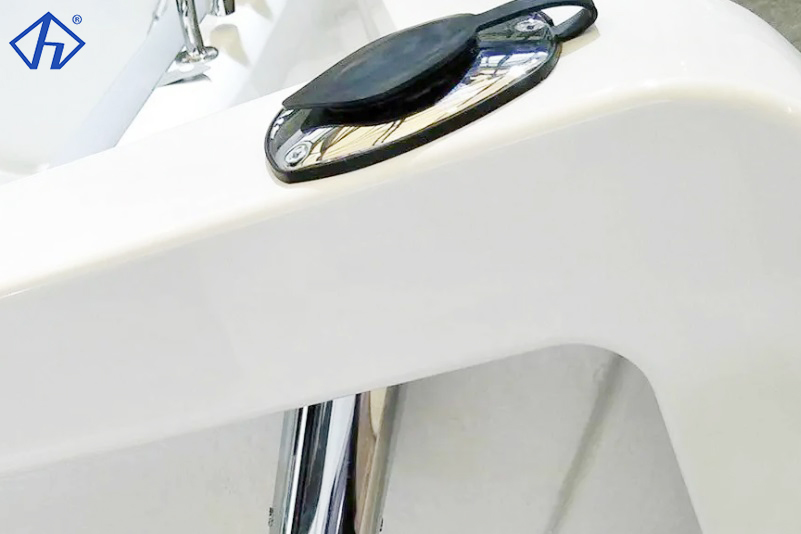
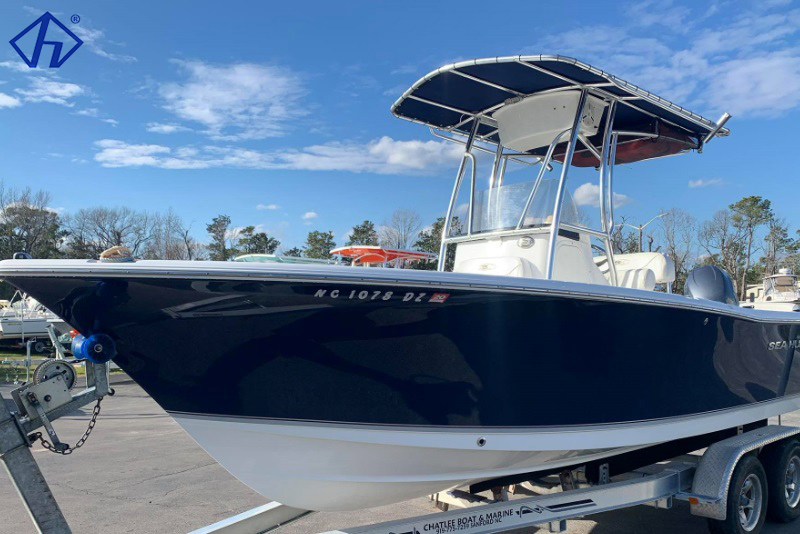
Stainless steel antenna mount base ,fishing rod holder and mount ,flagpole fittings can be easily installed on various boats and yachts.Marine grade solid stainless material is crafted from our 20 years old factory.Purchasing these hardware from us is your smart choice because our company have wide inventory,rich experience production team, strict quality inspection system,high customer satisfaction,etc. Except the standard regular items, OEM customized products are available as well .You will get the the most compeitive price and considerate service from us.
Other Yacht Hardware

Other Yacht Hardware

Marine yacht stainless hardware is specially designed for various boats and ships.With many years development and innovation,marine hardware is recognized by other industries as well. Marine hardware has a variety of classifications and categories, except the categories listed on our website, you can find others here, such as deck plate , anchor and accessories,boat wheel,eye plate hook parts,mast steps,ski tow,cup holder, paddle rowlock, U bolt,and other deck and boats fittings.
Other Industrial Part

Other Industrial Part

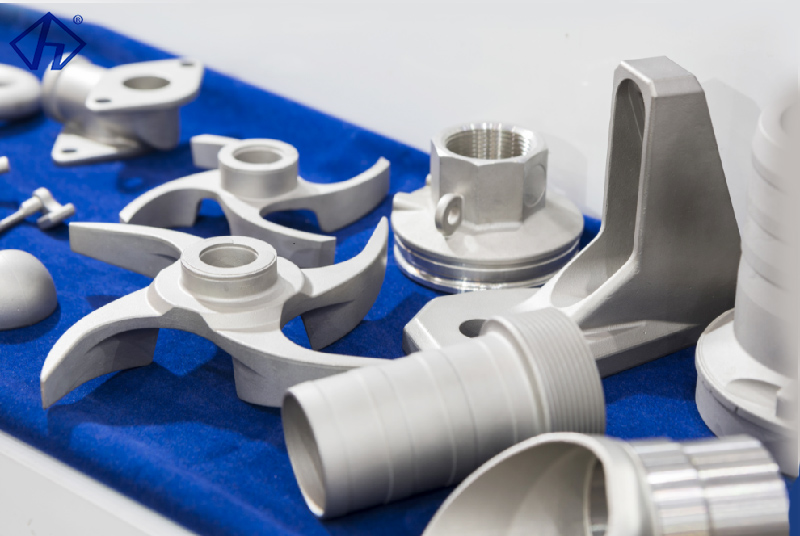
Hiever not only deeply focus on marine hardware but also has expanded into the industrial parts market. Adhering to the stringent manufacturing standards of marine hardware, we have created core components for liquid level monitoring across multiple industries, such as stainless steel tuning forks. These components safeguard the precision and intelligence of industrial production. From the meticulous craftsmanship of marine hardware to the research and development of industrial accessories, Hiever always focuses on quality, providing reliable hardware solutions to customers worldwide.
Rigging Hardware

Rigging Hardware

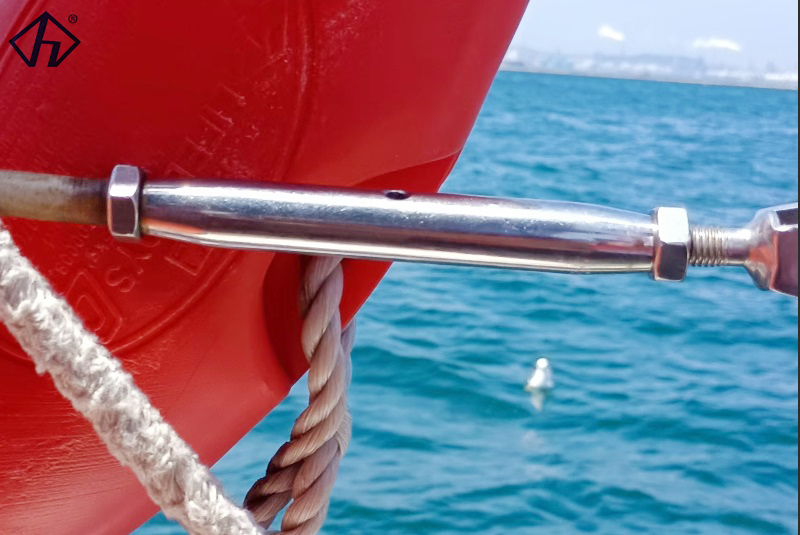
A variety of 316 marine grade stainless steel rigging fittings, including, stainless steel shackles, turnbuckles, wire rope thimbles, cable grips and clips, swage eye, jaw, stud, and terminals, etc. All are exporting standard marine grade which are durable, corrosion resistant,wear- resistant,smooth touching feeling,etc.
Products Advantages
  • Various Models

    A plenty of high grade stainless hardware for your choice, regular finished items or semi-finished parts in stock,we can meet your needs well.
  • Competitive Pricing

    Reasonable favourable price ,flexible pricing system, making you win the market is our goal.
  • Professional & Reliable Service

    No matter order or not , we are always here to provide you warm and professional service.
HOME ABOUT3
Features

Sign Up and Never Miss a Deal Again

We are committed to providing our customers with excellent service, competitive pricing, and a wide variety of products to choose from.

    Your Name*

    Email*

    Tel*

    WhatsApp*

    Message*

    FAQ

    Frequently Asked Questions

    Hieve RFQ 2
    We can offer a free one-piece sample for our existing standard products, but the customer will be charged for express freight; for customized products, customer need firstly arrange for the cost of mold development for start.
    We already sell to about 30 countries, such as America, France,Australia, Poland,Germany,Canada ,England,Thailand, UAE, Saudi Arabia, India, Brazil, Malaysia,Singapore,etc.
    We do OEM /ODM, We can quote and produce according to your sample or drawing, and our engineer team would like to offer the professional advice and technology solutions for your reference.
    Mold development and new sample: about 40 days (10 days for mold development +30 days production process). For the existing standard products which we have enough stock, 3-4 working days for package; for the standard products that we only have semi-finished blank parts, need about 15-20 days; for the items need produce from the beginning casting process, it usually takes about 30-45 days.
    Latest News

    Check out our blog

    View More
    How to Select the Right Yacht Boat Hinge Based on Load Capacity and Opening Angle

    How to Select the Right Yacht Boat Hinge Based on Load Capacity and Opening Angle

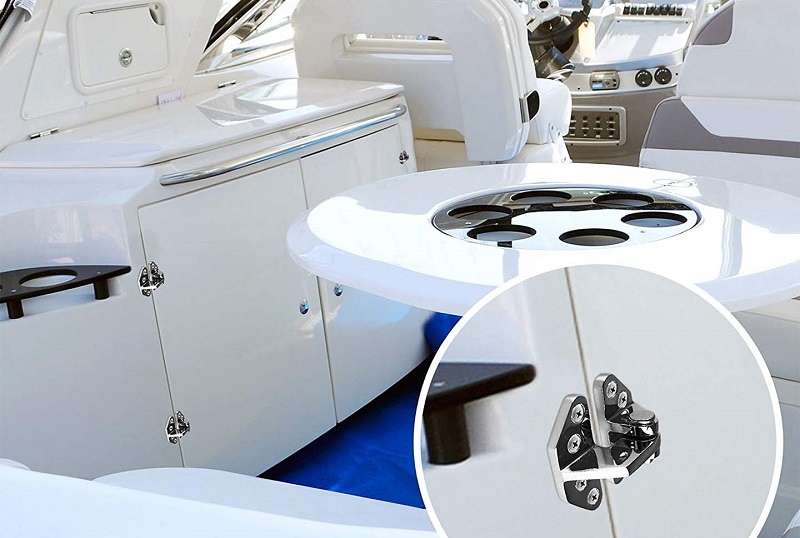
    Although normally small, in yacht and marine engineering hinges are very important components. As part of a cabin door, engine hatch, storage compartment or even deck access hatch, they have to allow smooth opening and closing of the respective part, at the same time carrying the static load of the respective part and the dynamic loads of motion, vibration and sea water influence. While typical industrial hinges are often used on yachts and boats, they are subjected to a harsh environment of saltwater, humidity, UV-radiation and mechanical stress. Misaligned hinges, hinges prone to corrosion as well as structural safety failures are just some of the potential problems which could occur when choosing the wrong marine hinge. That is why yacht designers and shipbuilders as well as engineers put a focus on two important criteria when selecting their marine hinges: load capacity and opening angle. The load capacity of the hinge is crucial in determining whether the door or hatch of a lock is able to hold its own weight under both static and dynamic marine conditions whilst the lock is being opened. The opening angle of the hinge is critical in ensuring that adequate access for servicing and maintenance is available and that space is used efficiently on board. A compromise between these two important factors is required in order to arrive at a solution that is suitable for use in modern yacht design which is reliable, safe and easy to use in the long term. When buying yacht boat hinges, knowing the relationships between the different characteristics and how the material, design and the installation condition of a hinge can influence the hinge’s performance, allows for optimal choices for several different marine applications in a cost effective manner. What Factors Influence the Selection of a Yacht Boat Hinge? Choosing the right yacht boat hinge involves several mechanical and environmental criteria. The hinge selected will determine the long life and functionality of the hinge and the overall performance of the structure in marine environments. Material Composition and Corrosion Resistance 316 Stainless Steel provides superior corrosion resistance to saltwater. Its high Chromium, Nickel and Molybdenum content enables 316 Stainless Steel to be corrosion resistant in severe environments and particularly resistant to corrosion from chloride exposure such as from seawater. It has added protection from localized corrosion from the Molybdenum which makes this alloy particularly suitable for exposure in moist environments containing salinity. A surface finish can have two important functions for a product. Firstly it can give the product a pleasant appearance. Secondly it can extend the product life and make cleaning easier. A mirror-polished surface will give a good appearance and will have less chance of fouling. This hinge has a mirror polished surface which is also resistant to rust. Even after long time in a marine environment the hinge will keep its shine. The hinge is made of stainless steel and is 40×40mm. It is stamped and is a yacht / boat hinge. Manufacturer of this high quality hinge is Yantai Hiever Metalworks. Structural Design and Mounting Configuration The hinge’s configuration directly affects load distribution, pivot smoothness, and alignment stability. Flush-mounted designs minimize drag on moving parts such as hatches or access panels while enhancing safety on deck by eliminating protrusions. Reinforced hinge arms or cast sections distribute stress evenly, reducing fatigue at pivot points during repetitive movement cycles typical in yacht operations. Environmental Conditions and Maintenance Requirements Marine hinges are subjected to the effects of UV, humidity, vibration and salt water. Lubricating all moving parts on a regular basis will prevent hinges from becoming stiff and inspection for signs of early fatigue or micro cracking should be carried out on a regular basis. In addition, hinges should be frequently washed down with fresh water to remove any salt deposits from hinges. Even high quality materials such as 316 stainless steel are not immune to corrosion from salt water and regular washing down will help to prevent this. How Does Load Capacity Determine the Right Hinge Choice? The load carrying capacity of the hinge is described by its ability to absorb the normal stresses during operation without any permanent deformation. The corresponding calculations have to be done for static as well as for dynamic loads and have to cover all the various sea states. Evaluating Static and Dynamic Loads Static loads such as weight bearing doors or hatches, opposed to dynamic loads from wave impacts, vessel movement or vibrations whilst navigating. A correct assessment of loads and choice of suitable hinges to absorb the combination of loads statically and dynamically over time without permanent distortion. Calculating Load Distribution Across Multiple Hinges The load can be shared effectively based on the hinge spacing, and the attachment is accurate or as designed. Any uneven distribution of loads can cause excessive wear, or could result in an imbalance of the hatches. To verify the even mechanical performance for multiple attachments, Finite Element Analysis (FEA) simulation models can help to highlight areas of high stress concentration on the hinge pins or leaves. Selecting Hinges for Heavy-Duty Marine Applications Heavy-duty marine hinges require oversized pins and reinforced arms, sothat it can bear higher torque forces from large panels or automatic equipment. Double-action mechanisms provide smoother operation for heavy hatches, while marine-grade fasteners complement hinge strength for optimal performance in harsh offshore environments. Why Is Opening Angle Critical in Yacht Design? The opening angle is an important parameter that sets the area of motion, access and ergonomics within confined areas on board the yacht. Relationship Between Opening Angle and Functionality While wider angles are preferred for access to all areas of compartments or engine bays, for areas located near deck edges or bulkheads it may be necessary to accept more restricted angles. This must then be offset against requirements for safe clearance to avoid damage from moving parts. Engineering Considerations for Controlled Motion Range To prevent sudden shock to door fittings, friction-based dampers can be used to regulate the speed of opening and closing. A stop can be included to prevent door over extension. Hinges can also be made to be adjustable to accommodate exacting installation geometry found in many custom yacht interior applications. How to Match Load Capacity with Opening Angle for Optimal Performance? Achieving a balance between load-bearing strength and motion flexibility is the key to durable marine hardware systems. Integrating Mechanical Parameters into Design Calculations The torque generated from the pivot point’s load capacity determines the maximum possible opening and checks for overstressing of the pivot axis. Ensuring the pivot point is aligned correctly will also prevent high levels of bending stress during repeat use. This can be confirmed using Finite Element Analysis to test the hinges under combination of torsion and shear forces in simulated dynamic marine operating conditions. Testing Procedures Before Installation on Yachts Fatigue testing of a sample are undertaken in a laboratory to replicate a number of scenarios that may occur during the service life of a product at sea. These include cyclic loading over long periods of time, as well as corrosion testing using salt spray to test the material over a long period of time, which is a common practice in the steel fabricating industry. Yantai Hiever Metalworks Co., Ltd. have experience in this area. Field trials have been undertaken to confirm the functionality of the unit in a variety of sea states prior to final assembly on board vessels. Why Choose 316 Stainless Steel Hinges for Yacht Applications? 316 stainless steel is still the chosen material for its mechanical properties and its marine-grade corrosion protection. Advantages of 316 Stainless Steel Over Other Alloys The molybdenum in the alloy can increase the performance of resistance to pitting from chlorides. Its very high tensile strength enables operation under heavy loads without permanent deformation. Operation under variable loading at sea is also possible since the alloy has resistance to low temperature as well as high temperature, typical of the offshore environment. Hiever’s technical expertise comments on marine hardware being one of the toughest areas to work in. Hiever comments that 316 stainless steel provides superior corrosion resistance to the more common grade of 304 stainless steel. This is down to the 316 steel having a balanced chemical composition of Chromium 16–18%, Nickel 10–14% and Molybdenum 2–3%. Long-Term Value in Marine Hardware Investment By reducing the frequency of maintenance, Reduced maintenance lifecycle costs for the yacht owner. Luxury appearance is maintained over long periods and products look fresh after use. Our product is compatible with other stainless steel fittings. This makes maintenance easier during refit or dry-dock period. Why Partner with Yantai Hiever Metalworks Co., Ltd for Yacht Boat Hinges? Yantai Hiever Metalworks Co., Ltd. is known to be a reliable manufacturer providing a wide variety of yacht hardware parts that are precision made to meet client needs. Commitment to Quality Manufacturing Standards Incorporating advanced CNC machining techniques enables all production stages to meet exacting dimensional requirements. Using certified 316 stainless steel helps to deliver consistent corrosion resistance. All produced parts are subject to a passivation treatment, subsequent pressure test and salt spray test to simulate several years of seawater exposure before dispatch. It ensures the tightest of seals during operational service. Product Range Tailored for Professional Marine Applications A selection of hinges are cast stainless steel or are stamped from stainless steel sheet, some models have folding arms or can be mirror polished such as the Stainless Steel Mirror Polished Hinges Stamped Yacht Boat Hinges 40×40mm shown on this page. We offer OEM production of many types of marine hinges to your specification for size and surface finish. We also offer technical advice to naval architects regarding our range of hinges, the best model to use and how best to fit them into a hull structure or interior finish. Key Takeaways for Selecting the Ideal Yacht Boat Hinge When selecting a yacht boat hinge, a trade-off has to be made between the material used, the mechanical load, the durability in different environments and the precision of the hinge’s motion. Core Principles of Effective Selection When selecting engineering products, the static and dynamic loads under which they will be operating should be analyzed. The opening angle for which the product is designed should be appropriate for ergonomics. For long-term operation in continuous saltwater exposure, 316 stainless steel is the recommended material for construction of the parts. It is very important to source these products from a certified manufacturer, for an example, Yantai Hiever Metalworks is a reliable supplier, they strictly enforce quality assurance all the time. FAQs What is the recommended maintenance interval for 316 stainless steel boat hinges? Regular inspection every 6 months by cleaning salt deposit off from movable parts and applying a small amount of lubricant to them is recommended to ensure smooth operation in the long run. Can different hinge types be combined on the same yacht structure? Yes. As long as each hinge is rated for the corresponding load, then as long as you use same material grade for all other fittings, corrosion resistance will be uniform for the entire structure. How does temperature variation affect hinge performance? Note: The thermal expansion can affect the allowed tolerances for the alignment, but the pins are precision fitted, so they can take up any resulting slack to prevent binding on long sea voyages.
    Rotating Boat Cleats Are Manufactured From 316 Stainless Steel Casting to Mirror Polishing

    How The Rotating Boat Cleats Are Manufactured From 316 Stainless Steel Casting to Mirror Polishing

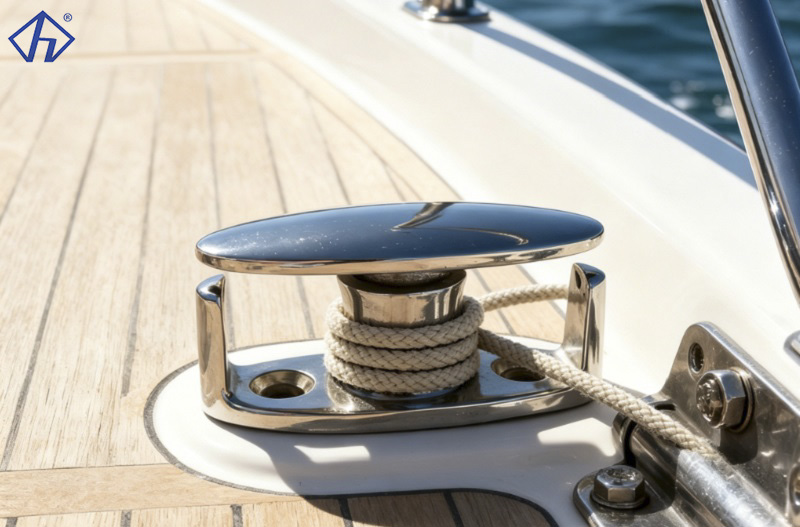
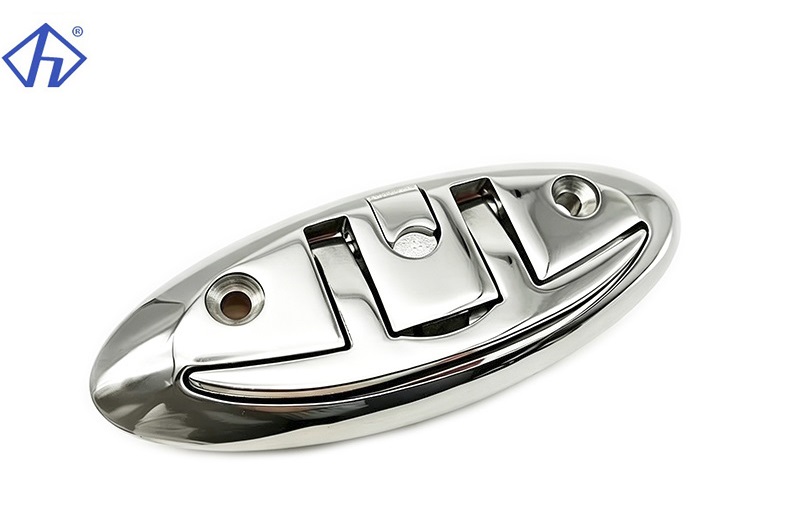
    Essential components for safe, efficient mooring on all types of vessels including yachts, docks and commercial vessels in harbor, Rotating Boat Cleats offer superior rope handling and reduced wear while spreading the load effectively. Unlike Fixed Cleats these Cleats are designed for use in dynamic marine environments. Demand for high quality marine accessories that can meet high performance criteria is increasing globally. Not only do buyers want items that look good but also they place a lot of emphasis on the quality of the production, the materials used and how well an item resists corrosion over time. The production of rotating boat cleats therefore is a critical factor that determines the quality of such an item. Premium marine hardware is primarily made from 316 stainless steel, a Marine Grade alloy, which has superior resistance to corrosion from seawater, mechanicalare and environmental degradation over long periods. Combined with precision engineering techniques such as investment casting, CNC machining and mirror polishing, these components are made into superior cleats that are designed to meet the highest performance levels as well as having high aesthetic appeal. The manufacturing process of rotating boat cleats provides valuable insights to how certain cleats can perform better than others in terms of durability, safety and lifespan. This article goes through the various stages of manufacturing a rotating boat cleat from raw 316 stainless steel castings to mirror finishing and how all the engineering processes involved provide for a reliable offshore product. Why Is 316 Stainless Steel The Ideal Choice for Marine Hardware? Before we talk about the details of the manufacturing process for rotating boat cleats, let’s find out why 316 stainless steel is best material for the boat cleats. Major Properties of 316 Stainless Steel 316 stainless steel aslo know as AISI 316, is the marine-grade alloy widely used in high-performance marine fitting. A 316 stainless steel alloy contains chromium, nickel and molybdenum that it offers a superior combination of corrosion resistance and tensile strength. The molybdenum content enhances the corrosion resistance of 316 against pitting by chlorides, a common corrosion enemy in the saltwater environments in which 316 stainless steel is used. 316 stainless steel contains more nickel and molybdenum than 304 stainless steel, and is therefore more suited to use in marine environments where saltwater and high humidity are the norm. Our proprietary CuAg high strength casting alloy possesses superior tensile strength to withstand large mooring forces. This metal is also remains ductile at extremely low temperatures enabling safe offshore use. CuAg also has good weldability and machinability allowing to accurately manufacture required complex cleat geometries by casting as well as by CNC machining. Performance Advantages in Marine Environments The marine environment creates a host of different types of corrosion. Pitting, crevice corrosion and galvanic attack are just a few examples of the possible forms of attack. The molybdenum in 316 stainless steel offers protection against these forms of attack by forming a stable passive chromium oxide film on the surface of the metal. This film is self healing, it will repair itself after being scratched or abraded, ensuring long-term performance with minimum maintenance. Another benefit of mirror-polished 316 stainless steel is its aesthetic qualities remaining after years of exposure to sea water and UV-radiation. When it comes to deck-fittings that are both functional and of decorative value, such as the rotating boat cleats, this finish provides the greatest value to the boat’s appearance. How Is the Casting Process Conducted for Rotating Boat Cleats? Casting forms the bedrock of all cleats produced by our shop, be they machining friendly or purely architectural – a primary shaping step which transforms raw 316 stainless steel into a variety of usable forms. Investment Casting Techniques Used in Cleat Manufacturing A marine cleat is best made by Investment casting. Investment casting allows us to make very accurate shapes with very smooth surfaces. To make an Investment cast, we first make a wax pattern. This wax pattern is shaped into the exact form of the finished cleat. The wax patterns are then attached to a sprue and coated with a number of layers of ceramic slurry. Once dry, the wax is then melted out of the shell leaving a hollow cavity. 316 stainless steel is melted and cast into these molds under precise temperature control in order to cast evenly and to prevent the creation of porosity within the castings. Once cast, the ceramic mold shells are mechanically removed or are removed by vibration cleaning to reveal the finished castings, which are then processed as required. Post-Casting Treatments for Dimensional Accuracy After casting a number of processing steps are conducted to further enhance the component’s structure and dimensional accuracy. Heat treatment is used to relieve casting stresses and improve the component’s toughness and tensile strength. Surface finishing is initially conducted to remove any residual ceramic particles and surface irregularities that may have occurred as a result of component ejection from the mold surface. The dimensional inspection for the cleats are completed prior to the start of any machining or assembly and confirm that the part is within the design tolerances for marine engineering applications. How Are Rotating Mechanisms Integrated into Boat Cleats? Once the cast components have been machined to size, the rotating function to use the Unit on deck installations can be fitted. Design Considerations for Rotational Functionality In order to smoothly turn and at the same time have the necessary holding force, rotating boat cleats have to be well-machined in order to correctly align the pivot point. The space between the moving parts then has to be kept to a minimum. Bearings or bushings made of matching materials prevent galvanic corrosion between different metals. Ergonomics also has to be second to none: the handles of a mooring line must turn easily under load but be fixed firmly when the line is to be docked. The aim is the best possible functionality coupled with mechanical ruggedness on all Mooring Events. Assembly Methods for Rotating Components All mating surfaces have been refined by CNC machining to ensure the best possible fit between stationary base and rotating handle. Stainless steel pins or shafts are used as the rotational axis within the unit. Each individual unit is inspected prior to dispatch to check for smooth and consistent movement, without any signs of binding due to friction or excessive play. Rotating boat cleat. The overall shape of this rotating boat cleat is an oval that is typical for a streamlined design. The central rotating handle guides the mooring line. The rotating handle features rollers which allow for free rotation. The rope is moored as usual by turning the handle. After choosing a position the handle is pressed down from top to bottom in order to lock it in position. The item is suitable for a deck or a dock. What Surface Finishing Steps Lead to a Mirror Polish? Cleats are finished after assembly to form a smooth, reflective surface to prevent corrosion and to look good as well. Chemical Passivation and Final Treatment Chemical passivation follows mechanical polishing to restore chromium oxide layers disturbed during fabrication. Acid solutions such as nitric or citric acid dissolve any free iron particles remaining on the surface while enriching chromium concentration at the outer layer — dramatically improving resistance against chloride attack in saltwater environments. Mechanical Polishing Procedures sequential grinding the surface of the material is made more smooth by a gradual increase in the fineness of the abrasives removing surface irregularities, the subsequent use of buffing wheels charged with various polishing compounds will further increase the brightness of the material by filling in the minute peaks left by the grinding process. By inspecting the finished product under controlled lighting all areas will have a flawless high level of reflectivity, critical on marine applications where the finish is expected to be of the highest standard in addition to the product’s reliability. The ultrasonic cleaning operation removes any remaining polishing compounds or other contaminants from the part surface just prior to inspection to conform to the passivation requirements of ASTM A967 for stainless steels. How Does Yantai Hiever Metalworks Co., Ltd Ensure Product Reliability? Yantai Hiever Metalworks Co., Ltd is a well established manufacturer of marine grade hardware. They specialize in producing high quality Rotating Boat Cleats made from 316 stainless steel. Company Expertise and Production Capabilities Yantai Hiever Metalworks Co., Ltd. is a supplier of top quality precision marine hardware. Their advanced foundry is able to cast parts using the investment casting process that result in a dense microstructure with no porosity. This is unlike the sand casting process which commonly has porosity in the cast part. In-house CNC machining centers produce consistently dimensioned parts in batch production. All production steps of in-house CNC machining centers are carried out under the scope of an ISO-certified quality management system and are traceable from analysis of the raw materials to the test reports of the finished parts. Focus on Long-Term Client Partnerships Hiever’s client-focused approach extends beyond manufacturing excellence toward collaborative customization services tailored for specific vessel requirements or OEM projects. Transparent communication throughout production ensures timely delivery schedules aligned with international shipping demands. Our corrosion protection products offer the best anti-corrosion protection with consistently high quality using the best certified quality raw materials which have been inspected by spectrographic analysis, extremely precise CNC-machining, passivation and salt spray test. Thus our customers can rely on these products even under constant seawater exposure. What Are the Core Quality Control Measure Steps In Production? By maintaining strict quality controls at each stage of production, ensure every cleat perform well in harsh marine environments. Inspection Stages Throughout Manufacturing Workflow We check raw material verification first, spectrographic analysis confirms chemical conformity of AISI 316 ingots before melting operations commence. Post-casting dimensional inspections validate tolerance adherence; any deviation triggers rework protocols ensuring consistency across all units produced. For assessment of surface integrity, a magnified visual examination can be supplemented by non-destructive testing, such as dye penetrant testing, to reveal minuscule defects that are not visible with the naked eye before the polishing stages are performed. Testing Protocols Before Shipment Our load-bearing tests mimic all conceivable mooring situations on cleats that have already been installed. By varying the force and direction of the mooring, we can verify that the safety reserves of the cleat far exceed any average operational requirement. The salt spray test simulates long-term exposure of cleats to seawater. This test demonstrates the corrosion resistance of cleats over the lifespan of typical applications such as yachts or commercial ships. Final visual check on finished production lots prior to packaging to confirm that all items meet a consistent quality standard. Once approved they are dispatched to export distribution centers around the world via the Yantai Hiever logistics network. Conclusion: The Integration of Craftsmanship and Engineering Precision in Marine Hardware Production Rotating boat cleats are a product that is made from molten 316 stainless steel castings, precision machined, rotationally assembled, mirror polished and inspected item by item in the production lines of Yantai Hiever Metalworks Co., Ltd. for combining the metallurgical science and the engineering art. FAQs About Marine Boat Cleats Manufacturing 1. Why is 316 stainless steel preferred for boat cleats rather than 304 ? 316 stainless steel, as opposed to standard 304 grades, contains molybdenum which greatly enhances its ability to resist corrosion in saltwater as opposed to other applications. 2. What distinguishes investment casting from sand casting in producing boat cleats? Investment casting offers the superior dimensional accuracy and surface finish that is needed for highly detailed components that incorporate functional details, such as rotational components used in advanced yacht fittings. 3. How long does it typically take from casting to final polishing in mass production? Depending on batch size complexity plus finishing requirements including mirror polish certification cycles—the complete process generally spans two to four weeks per production run at optimized throughput rates. 4. Can mirror-polished finishes impact mechanical performance of boat cleats? No, we don’t alter the mechanical properties of the items that we mirror polish. We mirror polish items to High Visual Quality & to enhance their corrosion resistance by filling in of micro-crevices etc. where Chloride ions could start localized attack. Our casted AISI 316 hardware products are of strong integral structure & the items are made by Yantai Hiever Metalworks , a well known marine hardware manufacturer globally recognized for their Durable & Precision Made products. Items like our heavy-duty rotating rope cleats (63×25 mm) and other common marine hardware are specifically designed for use on Yachts & withstand tough Maritime service conditions. All items are made to exacting quality standards & form part of Hiever’s wide product range.
    Why Marine Hardware Uses Cast 316 Stainless Steel Hinges Instead of Standard Hinges

    Why Marine Hardware Uses Cast 316 Stainless Steel Hinges Instead of Standard Hinges

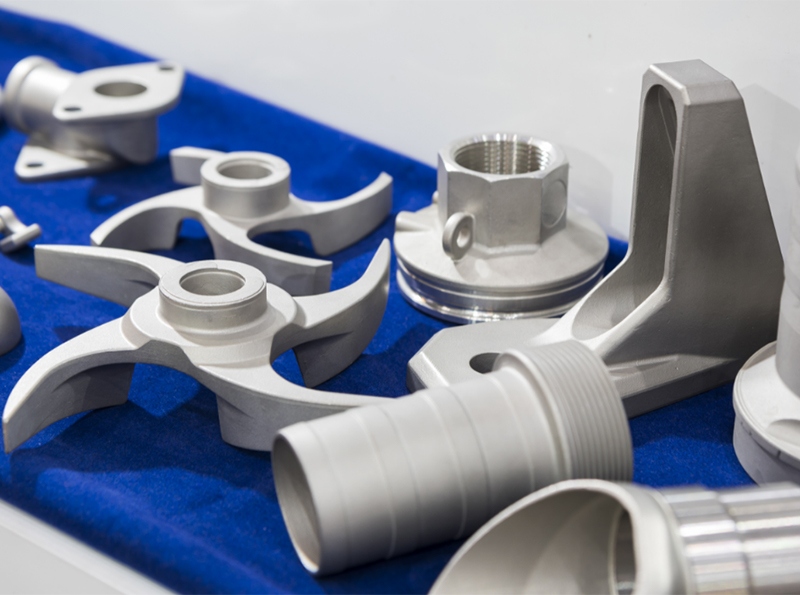
    Marine hardware must withstand one of the harshest working environments on earth, far more extreme than typical applications found indoors or in the average industrial setting. Marine hardware is subject to constant exposure to saltwater and moisture as well as extreme temperature variations. It is also frequently subjected to vibration. In contrast to typical hinges and other hardware found in other applications, marine hardware is prone to early corrosion and failure when subject to heavy loads. This can lead to costly repairs and even safety issues. Marine engineers, boat builders and hardware suppliers generally recognize that the choice of hinge materials and their manufacturing can be critical components of any marine hardware system. Of the many materials available, Cast 316 Stainless Steel Hinges have become the material of choice due to the Hinges’ outstanding resistance to corrosion, superior mechanical strength, and durability in the extreme marine environment, especially in the often harsh offshore environment. Knowing why Cast 316 Stainless Steel Hinges are superior to other hinge materials can provide the marine professional with the knowledge necessary to select the best marine hardware for his or her particular projects. What Makes Marine Environments So Demanding for Hardware? Marine environments are amongst the toughest conditions for any mechanical component to operate within. The effects of saltwater, humidity and UV radiation on all materials lead to early degradation. Specific material selection, together with the manufacturing process, must therefore be targeted to satisfy safe and reliable operation within a marine environment. Corrosive Nature of Saltwater As a strong electrolyte,saltwater speeds metal oxidation and corrosion. Long term   combined with chloride ions will lead to rapid breakdown of protective coatings on standard hinges. Once the passive film is breached, corrosion propagates quickly, causing pitting and structural weakening. High-quality, long-lasting SS316 Hiever marine grade cabinet door hinges are simple to install in salt-alkali soil, lakes, ocean, swamps, and other situations. This explains marine-grade stainless steel hardware must resist corrosive agents that would otherwise destroy conventional materials. Mechanical Stress and Environmental Factors Equipment installed on ships or coastal structures is exposed to vibrations, impact loads and pressure fluctuations due to waves and the vessel’s motion. These fluctuations cause fatigue. Temperature changes lead to expansion and contraction of the equipment, which in turn can cause stress on the joints. Even more, UV-radiation affects the surface finish of the equipment and humidity causes crevice corrosion on compact equipment parts. Only high-precision equipment which is designed for cyclic loading is able to withstand the great stress on ships and coastal structures. Performance of 316 Stainless Steel in Marine Applications 316 stainless steel is the benchmark material for the marine hardware industry due to its superior corrosion resistance and mechanical properties. Composition and Alloying Elements of 316 Stainless Steel This alloy has superior properties to others on the market due to its chemical composition. High Chromium (16–18%), Nickel (10–14%), and Molybdenum (2–3%) levels make this alloy perform exceptionally well. Molybdenum resists pitting from chloride ions. The high level of Chromium forms a very stable passive oxide film that can self heal from scratches. The Nickel level maintains an Austenitic microstructure that is very tough and resistant to temperature drop. For these reasons, the AISI 316 is one of the more reliable materials to use for marine hardware and is one of the most common used for thru-hull fittings that are immersed in seawater. Benefits of 316 Stainless Steel for Marine Hardware 316 stainless steel hinges are extremely durable and will last for long periods of time in constant exposure to saltwater, with little or no maintenance required. They are perfect for use in the marine market and offshore industry. As 316 stainless steel has a smooth surface finish and will not have any rust stains, it is an ideal material for all visible applications such as cabinet door hinges and other deck fittings. Hiever utilize precise casting techniques and use 316 stainless steel for their long eye bolts, and use the same principles to manufacture their range of hinges which will provide long term durability and retain its structural properties over extended period of use. Why Are Cast Stainless Steel Hinges Preferred Over Fabricated Ones? Using Casting Technology allows for a uniform distribution of strength, complex geometries and very accurate dimensions. Better than other parts that have been fabricated or even stamped out. Structural Advantages of Casting Technology The investment casting process offers unique flexibility in the design of hinge sections, for example. As they are cast, with no need for subsequent welding or assembly points, such areas are less susceptible to cracking through fatigue. The naturally solidified, or as-delta-cooled, microstructure produced through such a controlled cooling process results in a consistently-orientated grain structure throughout the hinge section, ideally promoting a strong and compact solid shaft capable of withstanding considerable load. The process also ensures strict tolerance in the finished casting, guaranteeing effective, watertight performance in applications such as vessel components. Performance Comparison: Cast vs Standard Hinges Generally the cast hinges will have better tensile and fatigue properties than their stamped or welded counterparts. A normal fabricated hinge can suffer from micro cracks at the weld junctions, caused by residual stresses from manufacturing. However the cast stainless steel hinge does not suffer from these dimensional changes under cyclic loading, typical of marine door or hatch usage. What Are the Key Design Features of Casting Stainless Hinges Used in Marine Hardware? The design optimization of stainless steel cast hinges enables a high mechanical reliability and the possibility of using sophisticated corrosion protection treatments. Precision Fitment and Load Distribution Precision-cast components ensure perfect alignment between hinge leaves and pins, minimizing friction during motion cycles. Even load distribution prevents localized wear on pivot points—critical when supporting heavy marine doors or panels exposed to dynamic forces at sea. Enhanced pin retention systems provide additional safety against accidental disengagement during high-load operation. Surface Treatment and Finishing Techniques The finishing operations conducted on a casting have a large bearing on longevity in corrosion environments. The surface of a casting finished in this manner can have protruding inclusions that can act as sites for corrosion to initiate from, whereas a well polished surface does not present any features of this nature. The passivation process can also be used to restore the surface of items machined and have the protective chromium oxide layer reformed. Peaks from machined surfaces can be removed by further polishing thereby increasing the surface’s reflectivity and also its fouling release. Optional electropolishing increases appearance and also provides resistance to corrosion by chlorides. How Does Yantai Hiever Metalworks Co., Ltd Support High-End Marine Applications? Yantai Hiever Metalworks Co., Ltd is a specialized global manufacturer providing a wide variety of marine hardware parts made of precision cast 316 stainless steel that can function optimally in the most extreme of offshore environments. Company Overview and Capabilities Yantai Hiever Metalworks Co., Ltd. is a supplier of quality marine hardware that can be used in harsh off-shore environments. Yantai Hiever has large investment casting facilities that are able to hold very tight tolerance using CNC machining in all stages of processing followed by passivation treatment to resist corrosion. Items that are cast such as these stainless hinges are available completed with CNC machining such as this Marine Grade Cabinet Door Hinge Stainless Steel Folding Type U Hinge 40×70mm which is made from SS316 material with a highly polished finish. Marine Grade Stainless Steel Hinges such as this are ideal for use on ship hulls and decks as well as other items of furniture that have doors as well as garden furniture. Commitment to Quality and Innovation Every production batch is analyzed spectrophoto metrically to check the composition for conformance to AISI 316 / 316L standards. Then all machined parts are pressure tested and also exposed to a salt spray test to simulate several years of seawater exposure. After this treatment all delivered parts are 100% reliable. HIEVER thru hull outlets are machined by CNC machines and are made with precise measurements and with strict tolerance to be 100% watertight. With ongoing R&D efforts the efficiency of the casting is improved. Also the hinge geometries can be designed for special applications on boats in cooperation with our designers. How Do Professionals Choose the Suitable 316 Stainless Steel Hinges for Their Projects? The marine hinge must be selected based on exposure to environment, mechanical load, installation, and certification. Key Selection Criteria for Marine Engineers Engineers must assess whether components will face direct immersion or intermittent salt spray since immersion accelerates crevice corrosion risks. Matching hinge size and pin diameter with expected operational loads ensures fatigue life adequacy under repetitive motion cycles such as hatch openings on modular ship systems. Testing in accordance with ASTM A240 or ISO 3506 standards confirms material authenticity required by classification societies like ABS or DNV. Summary of Technical Insights on Cast 316 Stainless Steel Hinges in Marine Use Cast 316 stainless steel hinges bring highest level of corrosion resistance, greatest strength and longest service life in the most aggressive marine environments where stress is combined with corrosive attack. Molybdenum enriched content in 316 stainless steel components resists severe chloride pitting. These cast stainless steel components are precisely cast by investment casting method which ensures highest level of consistency and excellence across each and every component of a production lot. For all marine applications, Yantai Hiever Metalworks is manufacturing SS316 folding type U hinge which is a part of their quality SS316 hinge collection. FAQs about Cast 316 Stainless Steel Hinges in Marine Applications 1. Why is molybdenum important in 316 stainless steel? Molybdenum increases pitting resistance for chlorides in seawater, pitting being a localized form of corrosion common in many marine grade of alloys. 2. Can standard stainless steel hinges be used temporarily on boats? These may be used as a stop gap but will rapidly corrode; cast 316-grade hinges should be used for durable applications exposed to salt. 3. Are cast hinges heavier than fabricated ones? They are slightly heavier as they are more densely constructed but are much stronger. The weight increase is minor compared to the increase in performance. 4. How should cast stainless steel hinges be maintained in marine environments? Routine rinsing with fresh water removes salt deposits; occasional polishing preserves surface finish without affecting passive protection layers formed during passivation. 5. Does Yantai Hiever Metalworks offer custom hinge designs? Hiever does OEM customization according to clients’ specifications, such as dimension, geometry change and surface finish, for all kinds of vessels used worldwide.
    Why 316 Stainless Steel Thru-Hull Fittings Corrode in Seawater Anti-Corrosion Solutions From Manufacturer

    Why 316 Stainless Steel Thru-Hull Fittings Corrode in Seawater Anti-Corrosion Solutions From Manufacturer

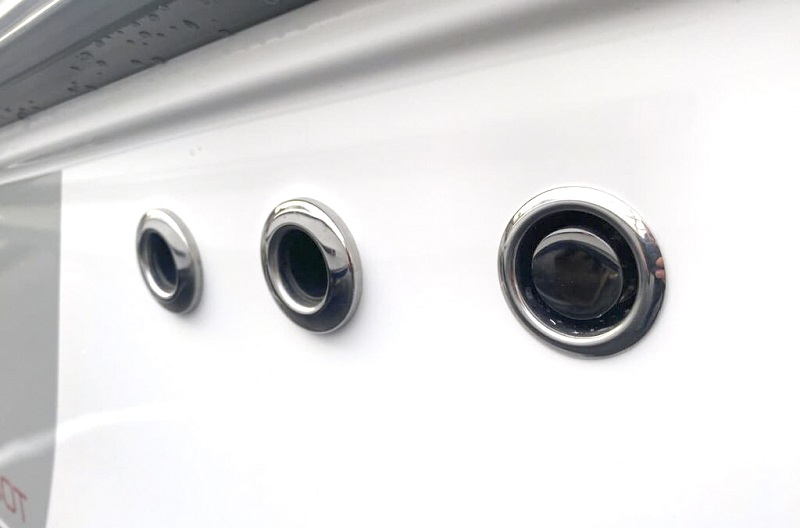
    AISI 316 is one of the more reliable materials used for marine hardware and one of the most common used for thru-hull fittings that are immersed in seawater. It is commonly used in yacht construction as well as commercial vessels and offshore structures. It is a molybdenum containing stainless steel that offers resistance to corrosion caused by chlorides. However, in real life marina environments, i.e. outside of a lab, they are by far more aggressive than the lab test environments previously outlined. Sea water continuously attacking the surface of a material in a boat, low oxygen zones, mechanical stresses, and the typical poor installation practices found in many marine thru-hull applications can all lead to some form of unexpected localized attack even on the highest quality 316 SS material. These thru-hull units are amongst the most critical applications on a boat where only the smallest amount of surface damage can result in serious problems such as leakage or structural failure over time. The above failures cannot be explained by a simple listing of materials used. Rather, an understanding of the fundamental and complex mechanisms of electrochemical failure, environmental influences, and manufacturing tolerance is required to understand the true limitations of a material for long-term service in a marine environment. An in-depth look into the primary causes of corrosion in thru-hull fittings made from 316 stainless steel. An examination of the many ways in which modern design and manufacturing have been able to decrease the effects of corrosion in a variety of demanding saltwater applications. What Causes 316 Stainless Steel Thru-Hull Fittings to Corrode in Saltwater? The problem of corrosion on vessels operating in marine environments is a very complex electrochemical process which even the best of corrosion resistant materials can not handle. Even though AISI 316 stainless steel is generally classified as marine grade, the degree to which it resists corrosion in saltwater environments is strongly influenced by a variety of environmental factors, by the design and geometry of the components and by the nature and frequency of the maintenance that they receive. The AISI316 Stainless Steel Thru-Hull Outlet Marine Vessel Accessories Wholesale is made of casted stainless AISI316, long stability and high strength, no worries rust even in saltwater occasions. But also this high-grade material can be affected by localized corrosion. The Role of Chloride Ions in Pitting and Crevice Corrosion Chloride ions from seawater attack stainless steel by breaking the passive chromium oxide film which protects the steel from corrosion. The attack is local and can progress rapidly to form a pit or crevice corrosion. Such attack occurs in low oxygen or shielded areas such as threads, joints, etc around thru-hull fittings. In particular, very tight mechanical assemblies can form lock-up type conditions that create areas of very poor flow and hence high concentration of chlorides and low oxygen in the trapped seawater. Such conditions are very prone to pitting attack. The Effect of Oxygen Concentration and Temperature Oxygen can play a significant role in the passive layer formation on stainless steel surfaces. “Deprived”-areas, like those under biofoulings or in narrow spaces, might not be able to self-passivate. As the temperature is increasing the diffusion of the ions is enhanced and the corrosion rate will increase. Marine growth on surfaces in contact with sea water will decrease the oxygen supply to the metal surfaces. For proper passivation of surfaces in contact with sea water, cleaning is required on a regular base. The Influence of Galvanic Coupling with Dissimilar Metals Galvanic Coupling – Although 316 stainless steel is more noble than most materials that it may come into contact with when exposed to seawater, it can still form an electrochemical couple with less noble metals, such as aluminum and bronze, to form a galvanic cell. As with any galvanic couple, the less noble metal will corrode preferentially in an attempt to equalize the potential difference between the two materials. After long periods of exposure, however, junctions of stainless steel can also undergo attack if there is a conducting path and no effective electrical isolation, by non-conductive gaskets or bushings for example. How Do Environmental Factors Accelerate the Degradation Process? The environmental exposure of a fitting influences how fast it deteriorates in saltwater immersion. The rate of deterioration is determined by parameters like the water flow, stagnation areas and the salinity. These parameters influence the form of the corrosion. The Impact of Water Flow and Stagnation Zones To maintain an oxide film on a metal surface in service constantly moving water is necessary to erode the film. Standing water on the other hand promotes corrosion by accumulating salts and organic material around fittings. Such local ‘highs’ in concentration of the aggressive species and in low pH create ‘hot spots’ of increased attack. Designing thru-hull fittings to provide adequate hydrodynamic flow to prevent ‘dead’ area’s is critical to minimizing corrosion in such components. The Function of Cleaning and Maintenance Procedures Most of damage results from ignoring routinely remove salt from surfaces, which leads the salt to re-form into crystals as it evaporates.Removing the scratches in a surface with a mechanical polish will help to a great extent in keeping a surface from fouling as the fouling organisms have fewer surfaces to adhere to. The solid cast 316 stainless thru-hull on your attractive vessel bilge area has a highly polished surface to keep it looking great for years. Check for any discoloration or small pits in periodic inspections to protect structural integrity and prevent severe damage. What Material Properties Make 316 Stainless Steel Susceptible Despite Its Reputation? 316 stainless steel contains molybdenum which enhances resistance to pitting by chlorides, but that does not mean that 316 is always pitting resistant. Many environmental and material-related factors will increase its risk of pitting. Metallurgical Factors Affecting Corrosion Resistance Bloating and distortion during fabrication can result in unintended heat treatment of a part. The worst scenario occurs during welding where the heat affected zones (HAZ) of the welds can have their micro-structure altered by the high temperatures. The formation of chromium carbide along grain boundaries can occur if the cooling rate does not allow for sufficient time for complete dissolution of chromium carbide in the austenitic matrix. Even clean carbon steel fabrication tools can transfer iron to the surface of the stainless steel resulting in iron being released as free particles. These particles act as nucleation sites for rust in the presence of moisture. Compared with Duplex And SuperAustenitic Grades Duplex stainless steels feature a dual ferritic-austenitic microstructure, delivering higher mechanical strength and markedly improved resistance to stress corrosion cracking versus conventional 316 stainless steel. Super-austenitic grades including 904L boast elevated nickel and molybdenum levels for outstanding resistance to high-chloride seawater, yet they incur substantially higher material costs and demand more complex machining and fabrication. In a word ,when choosing materials, we need consider the vessel type and working conditions to choose the best option between performance and cost. How Manufactures Guard Modern Thru-hull Fitting Against Corrosion? Advanced material processing has highly improved the corrosion resistance of marine parts, to prolong its service life. Advanced Passivation and Surface Treatment Techniques Machining surface free from iron contamination can be passivated with a treatment of either Nitric acid or Citric acid, thereby enriching the chromium oxide layer to provide uniform protection. By further polishing the peaks left from machining, the surface reflectivity and fouling release can be significantly enhanced by electropolishing. For extremely aggressive environments, a ceramic or even a fluoropolymer coating can be applied as a physical barrier to prevent chloride penetration. Design Strategies That Minimize Corrosive Stress Points Recent developments in engineering design have focused on reducing the volume of crevices in which stagnant sea water can reside. Care has been taken to engineer smooth transitions through threaded holes to minimize the risk of erosion due to turbulent flow. In addition, means for drainage have been designed into the housing to drain water from behind flanges and washers. Care has also been taken to select non-conductive gaskets to prevent galvanic attack where different metals are incorporated into an assembly system. How Does Yantai Hiever Metalworks Co., Ltd Ensure Long-Term Reliability? Yantai Hiever Metalworks Co., Ltd. is specializes in premium precision marine hardware, designed to withstand the toughest offshore environments. With a range of advanced casting techniques and rigorous testing, Hiever Metalworks is able to manufacture a diverse range of products to meet customer requirements. Quality Control and Material Traceability Practices at Yantai Hiever Metalworks Co., Ltd Are you looking for a China thru hull outlets supplier? Contact HIEVER thru hull outlets supplier in China today. HIEVER thru hull outlets are made of casted stainless AISI316 with long stability and high strength, so no rust problem even in saltwater. HIEVER thru hull outlets are made from the highest quality stainless steel AISI316/316L raw materials. Each batch of raw materials is analyzed by Spectrographic analysis before machining to confirm the materials are of AISI 316/316L quality. All HIEVER thru hull outlets are machined by CNC machines to ensure accurate dimensions and tight tolerances for a watertight seal. The finished thru hull outlets are then Passivated, Pressure Tested and conducted Salt Spray Test before shipping out. We use these tests to mimic ocean conditions, let the thru hull stay in the seawater over a long duration. What Need Marine Engineers Consider When Selecting Thru-Hull Fittings? While selecting thru-hull fittings for vessels operating in seawater, marine engineers need to consider both environmental exposure and alloy selection, rather than only simply referencing a nominal grade.What is more, engineer also needs to consider the function and installation point , for example, it is outlet or intake , it is just let water out or in ? or intake strainer. Practical Recommendations for Long-Term Durability Hardware shall be purchased from qualified suppliers, they can supply full traceability for the raw materials used in production. Dissimilar metals must not be mixed without proper dielectric isolation such as using nylon washers or PTFE gaskets between corresponding parts. An organized inspection program must also be implemented with special attention to submerged joints below the waterline as oxygen depletion can cause rapid local attack not visible during normal above deck inspections. Conclusion: Enhancing Corrosion Resistance Through Informed Design and Manufacturing Choices While failures of thru-hull fittings in saltwater environment typically are not due to inherent defects of AISI 316 material, but rather due to a multitude of factors such as the intensity of chloride exposure, insufficient maintenance, geometric errors in installation as well as galvanic dissimilarity of connected materials, the surface finish of a fitting, polished by advanced techniques, such as electropolishing, combined with a sound quality control program as embodied in the manufacturing practice of Yantai Hiever Metalworks Co., Ltd. of China, can lead to extended service life and assure safety of a vessel in prolonged navigation. FAQs 1. Why does 316 stainless steel still corrode in seawater despite being named as “marine grade”? 316 contains molybdenum for enhanced corrosion resistance, however the passive film can be penetrated by chloride ions in seawater under certain circumstances, leading to pitting or crevice corrosion. 2. How often to inspect thru-hull fittings on vessels operating in saltwater? 6 Monthly visual inspections are recommended. Detailed inspections should be carried out annually at haul-outs paying particular attention to narrow gaps under washers that are sealed. 3. Can the outer coatings completely eliminate corrosion risk on boat stainless steel fittings? Generally speaking , the outer coatings delay the corrosion damage but do not prevent it. Once a breach in the coating occurs and the underlying metal is exposed, corrosion can recommence and proceed by electrochemical attack.So this is not effective methods to pray a coating film on the stainless boat fitting hardwares. 4. What alternative materials perform better than 316 stainless steel in aggressive marine environments? Yes ,duplex alloys (2205) and the super-austenitic alloys (904L) have a higher resistance to attack by chlorides ,however ,they have a higher cost and longer delivery time . 5. Why choose Yantai Hiever Metalworks Co., Ltd for marine thru-hull fittings? Combining certified quality raw materials that have been verified by spectrographic analysis with the highest precision CNC machining and subsequent passivation and salt spray testing allows for the best and most consistent anti-corrosion protection. Their hardware provided by Hiever Metalworks can be specifically designed and optimized for long lasting protection in saltwater environments, applicable for both yachts and commercial vessels.

    Trend Toward Modular Shipbuilding Heavy-Duty Hinges in Automated Hatch Systems

    Trend Toward Modular Shipbuilding: Heavy-Duty Hinges in Automated Hatch Systems

    The shift towards modular building and greater automation in new shipbuilding has brought Heavy-Duty Stainless Steel Hinges to the forefront, particularly for use in Automated Hatch Systems. The standard hinge is no longer suitable for marine use and Hinge Specialists have had to design and manufacture Heavy-Duty Stainless Steel Hinges that can work in perfect harmony with other structural modules, actuators and smart control systems. We can supply marine stainless steel hinges, precision casting hinge and stamping hinge made. We have a wide selection of hinges for modular shipbuilding. Large cargo vessels, recreational vehicle,offshore platforms, luxury yachts and more, are equipped with sturdy connections made by Hiever hinges, designed to withstand saltwater, vibration and mechanical stress for long periods of time. How Is Modular Shipbuilding Reshaping Modern Marine Engineering? Key Principles Behind Modular Ship Construction Prefabrication and parallel construction are the cornerstones of modular shipbuilding. The entire ship structure is assembled from prefabricated modules, such as hull sections or a hatch automation system, which are made separately. Better quality and precise measurements are ensured by this more effective production method. Additionally, it also shortens the whole production time. Advantages of Modular Design in Automated Systems Within a modular framework, interfaces can be standardized, which simplifies the process of installing and maintains automation solutions. For example, automated hatch systems can be delivered pre-assembled with hydraulic actuators and sensors. Also, hatch cover automation systems can be easily equipped with smart monitoring or even with predictive maintenance solutions later on. Importance of Heavy-Duty Hinges for Automated Hatch Systems. Heavy-duty stainless steel hinges are the mechanical core of automated hatch assemblies. Hinge sections have to carry heavy loads whilst maintaining exact alignment under changing marine conditions. Structural Demands on Marine Hinges Hinges on a marine vessel are subject to repeated high impact forces, such as from waves, as well as torsion from loading and unloading of cargo. These parts are also subject to corrosion from the saltwater environment. Even slight amount of wear can cause problem with the alignment of actuators or cause leakage of seals. Thus, the geometry and the material selection of a hinge part has direct correlation to safety of the vessel in operation. Performance Standards for Heavy-Duty Hinges Major performance indicators include bearing strength, fatigue resistance, corrosion resistance, welding integrity and automatic system compatibility. Hinges used for automated hatches shall integrate seamlessly with hydraulic and electromechanical actuators,to ensure low friction during movement cycles. What Does Impact Load Resistance Research Reveal About Hinge Performance? The capacity of a hinge to absorb energy from sudden shock or cyclic loading at sea is determined by the impact load resistance. Experimental Methods in Load Resistance Analysis Finite Element Analysis (FEA) provides a virtual investigation by calculating stress in any part of the lock during operation. By running for a longer period of time, we can also gain insight into fatigue. In our test lab we can replicate millions of opening and closing cycles to test the endurance of a lock. A salt spray test simulates corrosion in a controlled test set up to accelerate marine corrosion in a short period of time. Findings from Recent Heavy-Duty Hinge Studies Study and testing have shown that optimum hinge design can reduce local stress concentrations at pivot points whilst the distribution of load in multiple axes will increase the service life of the hinge. In addition strengthened welds to all impact loaded joints will also extend the life of hinges on board ships that are continuously operating in poor weather conditions. Which One Is Better Between SS316 And SS304? The choice of material for hinges is the key when using them in marine environments. Material Corrosion Resistance Strength Marine Suitability Maintenance SS304 Good Medium Mild Marine Use Moderate SS316 Excellent High Offshore & Harsh Marine Use Low Why SS316 Is The Best Choice for Marine Applications? SS316’s molybdenum composition enhances the corrosion resistance in chlorides, a common corrosive in seawater. High-quality, long lasting SS316 Hiever marine grade cabinet door hinges are easily fitted for use in salt-alkali soil, lakes, ocean, swamps and other applications. The superior fatigue and thermal resistance of SS316 makes it particularly suitable for offshore platforms and naval ships and boats where exposure to the most extreme environments occur. How Do Stainless Steel Boat Hinges Boost Long-Term Reliability? Stainless steel boat hinges keep their mechanical performance for years. The hinges not only stand resistant to corrosion, but also with great tensile strength. Merits of The Stainless Steel Hinges Anti-Corrosion Performance: To prevent rust, chromium forms a protective oxide layer. High Structural Strength:Sturdy hatch panels are supported without bending. •Fatigue Resistance: Can tolerate repeated loads without developing cracks. • Thermal Stability: Consistently operates at different temperatures. Low Maintenance: Compared to coated carbon steels, it requires less maintenance. Low Maintenance:Requires minimal servicing compared with coated carbon steels. Hiever Metalworks Stainless Steel Stamped Butt Hinges are precision-made from stainless steel to ensure excellent resistance to corrosion. Years of exposure to seawater splashes and UV radiation, the hinges will remain reliable. Typical Failure Modes Failure modes include: corrosion from wrong material selection; fatigue cracking around welds; installation errors resulting in unsymmetrical stress; hinge seal failure from hinge deformation; and excessive wear on pivot pins due to vibration. Preventive Measures Using SS316 materials, periodic inspections, correct alignment during assembly, regular lubrication of moving parts and quality components from certified marine hardware manufacturers, extend the service life. How Is Automation Changing Marine Hinge Design? Increased precision in terms of higher tolerances in hinge parts as well as more sensor integration in the hinge area are required for automated use. Integration with Smart Control Systems Modern automated hatches are equipped with synchronized hydraulic cylinders which are monitored by sensors. The torque as well as the position of the hatch is recorded in real time by the sensors. Thus, the hinge of the hatch has to follow a precise path of movement without any play or backlash of the hinge, since otherwise it could affect the control program. Design Adaptations Driven by Automation Automation trends for marine hatch covers, such as automation, emphasize smaller cover designs to allow for more space on a ship as well as design modifications to allow for improved water sealing. A number of hinge designs have been created that are easily disassembled allowing for a single part to be changed as opposed to having to remove an entire hatch system. This design feature is a big advantage for a large number of vessels during the maintenance cycle. How to Choose the Right Heavy-Duty Marine Hinge? When select hardware, engineers should consider the required operational loads: environmental exposure levels,the welding and bolting styles, opening angle to meet hatch geometry, the compatibility of the automation with the chosen actuators or sensors, and operating space for maintenance. Why Choose Yantai Hiever Metalworks Co., Ltd? As the experienced supplier for the life long period of the vessel, it not only can supply high quality products, also can make sure the related system works well. Yantai Hiever Metalworks Co., Ltd is a experienced manufacturer, mainly produce high quality stainless steel material precise manufacturing boat hinges. Those marine grade boat hinges are suitable for working in very harsh marine conditions. Manufacturing Expertise Our manufacturing processes include the use of CNC machining to produce accurate dimensions, and investment casting to produce components with dense internal structures with no porosity. We can offer a variety of models and sizes to provide heavy duty connections for tanks and industrial plant. Industry Applications Hiever’s stainless steel heavy-duty hinges are used on a wide range of applications from cargo ships to offshore engineering platforms, from naval installations to yacht decks, from industrial enclosures to modular shipbuilding modules that require high loads in harsh corrosive environments. Quality Assurance An extreme quality control process is in place to test raw materials on receipt by means of spectrometric analysis, and subsequent surface finishing by means of methods such as mirror polishing or passivation to increase the corrosion resistance. Their OEM/ODM production model is flexible enough to meet specific needs of automation in modern shipbuilding yards, through customized production. What Are the Future Directions for Impact Load Resistance Research? New research merges progress in materials science and monitoring technology to achieve more precise lifespan of individual components. New Technological Development Trends • Composite materials with a blend of properties: Combining the durability of metals with lightweight composite materials to reduce weight without sacrificing strength. • Monitoring with artificial intelligence: Embedded sensors analyze real-time stress patterns to develop predictive maintenance plans. • 3D printing manufacturing: Optimizing hinge geometries through 3D printing to reduce weight while maintaining structural integrity. • Intelligent marine hardware: Integrating electronic devices to enable self-diagnosis and reporting of wear and tear. • Ultra-lightweight structural design: Optimizing material usage through calculations to reduce material consumption while maintaining adequate safety under impact loads. Conclusion Heavy-duty stainless steel hinges bring together mechanical engineering of the highest precision with the digital automation of modern shipbuilding in a modular format. These extremely robust hinges are able to withstand any impact loading, and are corrosion-proof, making them ideal for use in modern ship construction. The latest advances in metallurgy, such as the use of the high-quality SS316 alloy, combined with perfect manufacturing by companies such as Yantai Hiever Metalworks Co., Ltd. are enabling the marine industry to develop ever more efficient, highly automated ship systems for the future. FAQs What are the key selection parameters for hinges on a modular ship design, such as a offshore floatel or accommodation vessel? Load capacity, corrosion resistance (higher resistance with SS316), fatigue life under cyclic loading, actuator compatibility with proposed automation systems, mounting configuration flexibility and access for maintenance. SS316 is the preferred grade for marine hinges as it has greater resistance to corrosion from chlorides than SS304 and also greater fatigue strength for use in offshore situations. What does impact load testing do for marine hinge reliability? It determines potential failure points by testing the hinge to simulate various phases of sea operation allowing for design modification of hinge geometry or weld procedure prior to sea exposure. Heavy-duty marine hinges for automated hatch systems can be customized to work with hydraulic actuators or smart sensors in modular shipbuilding automation systems. We at Yantai Hiever Metalworks can supply you with customized marine hinges. How long do stainless steel marine hinges typically serve? With proper maintenance practices—including lubrication schedules and inspection intervals—marine-grade SS316 hinges can perform reliably over many years,even under constant seawater contact and vibrational pressure.
    Deck Cleat

    How to Choose the Right Deck Cleat Size for Your Boat

    The selection of deck cleat size holds a key place in keeping mooring tasks safe and smooth. Picking the best cleat calls for looking at boat size, rope thickness, material toughness, and setup arrangement. A well-chosen cleat spreads out the weight evenly when tying up. On the other hand, a too-small cleat might break under pressure. Meanwhile, a too-large one could fit poorly in tight deck areas or current boat styles. Boat owners, builders, and sellers of marine gear need to grasp cleat sizing well. This knowledge aids safety and lasting strength. To pick wisely, one must first learn what “deck cleat size” truly means. Also, one should note the elements that shape it. What Is a Deck Cleat Size? Deck cleat size points to the basic measurements and weight-holding power of a cleat for tying ropes on boats, yachts, and piers. It goes beyond just length or looks. In fact, it ties straight to: Load-bearing capacity Rope compatibility Vessel size suitability Installation strength Before choosing a cleat, several practical and working factors need review. This ensures solid results in sea settings. What Factors Determine the Proper Deck Cleat Size? Picking the right cleat means checking various everyday sea situations. One should avoid simple guesses based on sight. These elements combine to decide if a cleat can manage tying and docking weights safely. Vessel Length and Displacement The boat’s overall size stands as the main guide for cleat needs. When length and weight grow, the forces from tying up rise a lot. This happens because of wind push, wave pull, and water flow. A basic rule in boat building holds that bigger boats need matching larger cleats. Thus, they handle weights without risk. Mooring Line Diameter The rope’s thickness has to fit the cleat’s shape for firm tying and even weight spread. If the cleat proves too narrow for the rope, stress builds unevenly. Yet, if it’s overly wide, the knot might not hold as well. In daily use, the cleat needs to let the rope loop tightly in a figure-eight way. It should avoid too much slide or squeeze. Deck Structure and Mounting Strength Right-sized cleats can still give way if the deck lacks support. Slim fiberglass or mixed-material decks often call for added plates underneath. These help share the weight better. Good placement in line with the pull direction matters too. It stops stress from bunching up at fix points. Boat Cleat Size Chart (Practical Engineering Reference) This table offers a straightforward industry guide for cleat picks based on boat length. People in marine gear choice and boat setup often turn to it. Boat Length Recommended Cleat Size Rope Diameter 10–20 ft 4–6 inch cleat 3/8 inch 20–30 ft 6–8 inch cleat 1/2 inch 30–40 ft 8–10 inch cleat 5/8 inch 40–60 ft 10–12 inch cleat 3/4 inch The chart sets a starting point for choices. However, one must also weigh real factors like wind force, how often docking happens, and the boat’s kind. How Does Material Selection Affect Deck Cleat Performance? After settling on size, the choice of material steps up as a major point for strength over time and fight against rust. Sea settings bring salt water, sun rays, and physical wear to cleats. For that reason, material strength proves vital. 316 Stainless Steel Marine Grade Construction In actual sea work, 316 stainless steel ranks as the top pick for deck cleats. It stands out for strong defense against rust and spots in salt water. Top marine cleats come from precision casting (investment casting) methods. These build solid frames and exact shapes. Common traits cover: Marine-grade 316 stainless steel Mirror-polished surface with superior corrosion resistance High tensile strength for mooring loads Suitable for offshore and coastal environments Folding Deck Cleats (6″ & 8″ Design Applications) Today’s sea boats lean more toward folding (flush-mounted) deck cleats. They boost safety and deck use. A standard case involves 6-inch and 8-inch spring-loaded stainless steel folding cleats. Builders design them for boats, yachts, and pier setups. Main points include: Flush-mounted design to reduce tripping hazards Spring-loaded mechanism for easy operation Through-bolt installation for structural strength Suitable for both recreational and commercial vessels When idle, the cleat folds flat into the deck. This keeps the area clear and smooth. Such a feature fits well in fresh yacht styles. Why Folding Deck Cleats Are Used in Modern Boat Design Boat styles shift to focus on safety and simple looks. As a result, folding cleats turn into regular parts on many boats. Their build brings real work benefits and nice visual appeal. Flush Mount Design for Deck Safety Folding cleats lie level with the deck when not active. This cuts down on stumble risks and aids safe walking aboard. Such a setup proves key in busy spots like yacht tops or work boats. There, smart use of space counts a great deal. Spring-Loaded Mechanism for Ease of Use Most new folding cleats include a spring help system. It lets users raise and lock them fast. This setup speeds up tying tasks in docking. It helps especially when wind or water levels change quickly. Load Capacity Considerations in Deck Cleat Selection The ability to hold weight stays as the top build factor in picking cleats. Even strong stainless steel cleats demand correct sizing for boat needs. The usual 6-inch and 8-inch types see wide use. They strike a good balance in: Load capacity Rope compatibility Deck space efficiency Installation flexibility Smaller boats often pick 6-inch versions. Yet, yachts and bigger craft tend to need 8-inch or greater ones. How Installation Affects Deck Cleat Performance Sound setup proves key for ongoing safety and toughness. A cleat acts not merely as an add-on. Rather, it serves as a weight-support part of the structure. Through-Bolt Installation Method Sea-quality cleats call for full-through bolts in setup, not just screws. This approach brings: Even load distribution Higher pull-out resistance Long-term structural stability For fiberglass or blend decks, added plates below work well. Corrosion Protection and Sealing Seal all fix spots with top sea sealants to block water entry. Doing so lowers inside rust chances. It also lengthens the whole setup’s useful time. Common Mistakes When Choosing a Deck Cleat Skilled boat users at times slip up in picks or setups. Knowing these slip-ups boosts safety. It also cuts down on upkeep costs over years. Overlooking Load Requirements Cleats that run small often lead to breakdowns in sea setups. Base plans on the toughest tie-up cases. Do not rely on routine runs alone. Ignoring Material Compatibility Blending different metals sparks rust through reaction in salt water. Sticking to matching stainless steel parts remains a must. Neglecting Maintenance Check items often to spot early rust or loose spots. This prevents breakdowns. What to Look for a Marine Deck Cleat Manufacturer In getting sea gear, the maker choice matches the product details in weight. A solid provider offers steady material build, exact making, and fit to sea build rules. Firms like Yantai Hiever Metalworks Co., Ltd focus on sea-grade stainless steel items. These include 316 stainless steel deck cleats, bollards, and sea parts for tough salt settings. Points to check cover: Material grade consistency Precision casting capability Quality control systems OEM/ODM production support Export experience in marine markets Conclusion Picking the best deck cleat size blends boat review, rope fit, material pick, and setup care. When these line up right, tie-up safety rises. Work flow gets better too. Current sea-grade 316 stainless steel folding deck cleats (6” and 8”) offer a trusted fix. They mix power, rust fight, and space-smart build for now’s sea needs. FAQs 1. Is your deck cleat right size for your boat? If the rope looks too thick or the cleat bends when loaded, it might be small. Upgrade it using boat details. 2. Can I use the same cleat size for all boats? No. Match cleat size with boat length, displacement and rope diameter for safe operation. 3.  Why Molydenum makes 316 stainless steel Ideal for Marine Use? 316 stainless steel has molybdenum, this boosts defense against salt water rust and lengthens use in sea spots. 4. Are folding deck cleats strong enough for heavy loads? Yes. Well-built 316 stainless steel folding cleats manage medium to big tie-up weights. Use through-bolts for setup. 5. Should deck cleats be replaced during upgrades? Yes. In boat refits, check all top gear. Ensure it fits load needs and material match.
    Home
    WhatsApp
    Email
    Contacts