

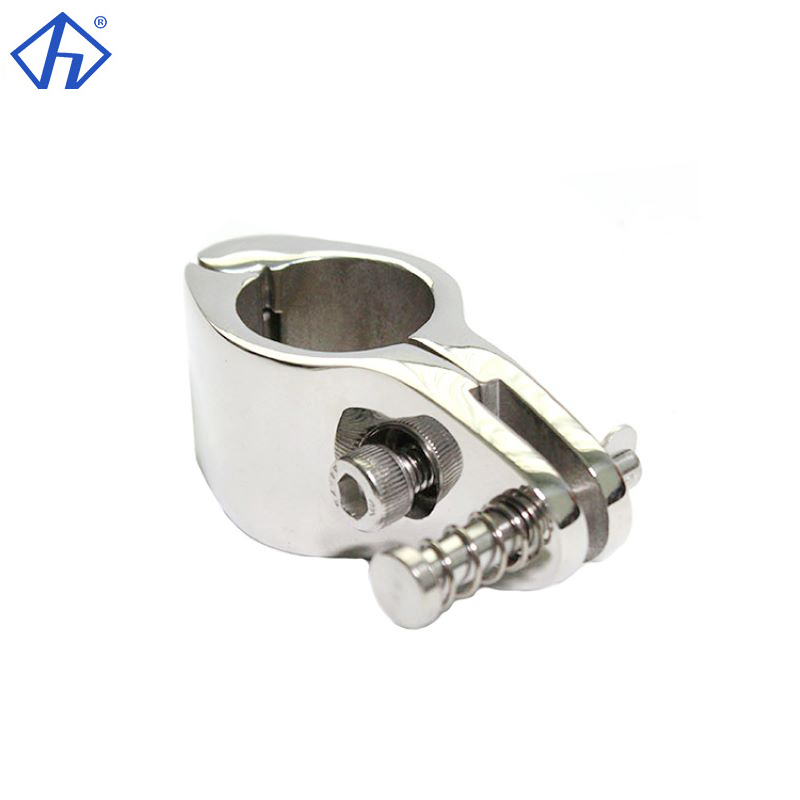
A Bimini top jaw slide might seem like a minor piece of a boat’s canopy frame. However, a worn, loose, cracked, or poorly fitting component can make the whole structure feel unstable and tough to handle. When you need to swap one out, picking a piece that merely looks the same is never sufficient. Factors like tube diameter, jaw slide design, pin style, material type, and compatibility with your connecting hardware are all crucial. This guide breaks down how to pick a replacement Bimini top jaw slide and details exactly what you need to verify before you place an order.
When Should You Replace a Bimini Top Jaw Slide?
Jaw slides link the movable or supporting sections of a Bimini frame directly to the main tubing. These fittings are always getting jostled around, dealing with vibration, rough outdoor conditions and lots of mechanical wear and tear, so you’ve got to check them regularly.
When should you replace these parts?
You’ll need to swap this part out if the jaw slide’s cracked, worn right down, rusted, bent, or just can’t get a good grip on the tube. If a fitting’s loose and spinning when it shouldn’t be turning at all, chances are it’s worn pretty bad, or you’ve got the wrong size fitted on.
Make sure to examine the retaining pin and connecting eye end at the same time. Too much gap between these parts can lead to unwanted movement, even if the jaw slide itself looks fine. Swapping out a damaged piece early on can stop further wear from spreading through the rest of the Bimini frame.
How Do You Choose the Correct Jaw Slide Size?
Size stands out as a critical factor when you replace Bimini hardware. Your jaw slide has to fit the tube’s outer diameter almost perfectly. It should lock down snug, without scratching or warping the tube at all.
Before you pick a new part, always measure the actual tube. Do not rely solely on the dimensions of your old fitting.
How do you get the right measurement for your bimini tube?
Grab your calipers and check the tube’s outer diameter. Just pick a smooth, undamaged spot to get your reading. Don’t measure the inside of the tube at all.
Common metric sizes are 22 mm and 25 mm. Heavier duty frames, though, often use 30 mm or 32 mm tubing. For instance, Hiever’s stainless steel Bimini top jaw slide is offered for 22 mm, 25 mm, 30 mm, and 32 mm tube sizes.
If your original setup relies on imperial dimensions, compare your actual measured diameter very carefully. Do not assume that a close metric size will automatically work as a drop-in replacement. Things like manufacturing tolerances, tubing wall thickness, and the specific jaw slide design can all alter the final fit.
What Else Should You Measure?
Checking the tube diameter alone will not guarantee full compatibility. Buyers must also verify the width and thickness of the mating eye end. Additionally, check the pin diameter, the available clearance, and the exact angle of the connection.
For any OEM or repair project, comparing a detailed dimensional drawing against your current assembly is always safer. It is much better than choosing a product based just on photos.
Which Type of Bimini Jaw Slide Should You Choose?
Once you nail down the tube size, your next choice involves the overall structure of the fitting. Jaw slides come in different designs, and they can make assembling, taking down your frame and everyday use a breeze or a total headache.
What works best really comes down to your setup. Are you fitting this onto a brand new frame, or just replacing a worn out old part?
Standard or Hinged Jaw Slide?
A standard jaw slide typically slides over or onto the tubing as part of the initial frame build. Depending on how it is built, replacing it might force you to take off other fittings first.
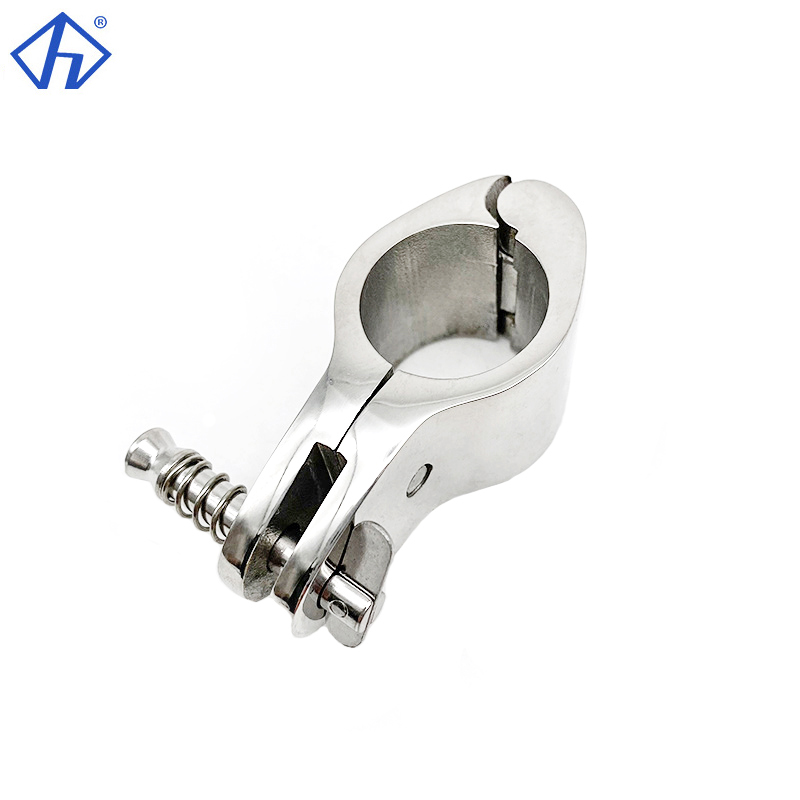
A hinged or opening jaw slide can make certain repair jobs much easier. You can wrap the fitting right around an existing tube. This feature is especially handy when taking off nearby frame pieces would be a huge hassle.
Even so, buyers must not pick a hinged design purely for the sake of convenience. The locking mechanism, overall dimensions, pin location, and mating hardware still need to match the entire Bimini structure perfectly.
Fixed Fastener or Quick-Release Pin?
A standard bolt or fixed pin often works well when you rarely need to take the frame apart. A quick-release pin makes much more sense if users frequently fold, remove, transport, or adjust the Bimini top.
The Hiever jaw slide mentioned earlier features a quick-release pin designed for convenient installation and removal. This makes the fitting a great choice for situations where you want hassle-free frame handling.
Before you finalize your order, make sure that the pin diameter and the usable length perfectly match the corresponding eye end or other connecting parts.
Why Does the Jaw Slide Material Matter?
Bimini hardware takes a real beating out there. It’s up against moisture, heavy rain, ocean spray, strong sun, and saltwater day in and day out. So the material you go with makes a huge difference when it comes to rust resistance, how it looks, how much work it takes to maintain, and how long it’ll last.
Plastic and metal fittings both work, but they’re built for totally different use cases.
When does stainless steel make the most sense?
Most folks go with stainless steel jaw slides if they want solid strength, a clean sharp look, and great rust fighting performance. For boats spending time out on saltwater, 316 stainless is generally the go to option. It holds up exceptionally well against constant moisture and salt exposure.
The Hiever jaw slide highlighted in this guide is crafted from AISI 316 stainless steel by investment casting. On top of that, it’s got a nice bright mirror polished surface. The maker says its biggest perks are great rust resistance, tough build quality, and how easy it is to put in.
Keep in mind, material grade isn’t everything when making your pick. The surface finish, casting quality, dimensional accuracy, what fasteners you use, installation practices and regular upkeep all make a big difference to the part’s service life.
What Should Buyers Check Before Ordering a Replacement?
Ordering a replacement goes much smoother when the supplier gets full technical details. Instead of just asking for a “Bimini jaw slide,” make sure to give them the exact measurements and specific application details.
A solid spec sheet needs to include the tube outside diameter, the preferred material, the jaw slide structure, and the pin dimensions. Also, provide the mating fitting dimensions, the required quantity, the desired surface finish, and the expected working environment.
Should You Replace the Matching Hardware Too?
Not always. If the eye end, pin, tubing, and nearby fittings are still in solid shape and fit together well, simply swapping the broken jaw slide might be enough.
However, you should never ignore badly worn mating parts. Pairing a brand-new jaw slide with a heavily worn pin or eye end can still lead to annoying wobbles. For any rebuild project, look over the entire connection closely before you decide which parts to keep.
Where Can You Source Bimini Top Jaw Slides for Marine Projects?
For boat builders, marine hardware sellers, equipment makers, and everyday repair buyers, getting consistent products is vital. Having easy access to matching fittings can be just as crucial as finding the right individual jaw slide.
Because of this, it is very smart to partner with a supplier that can handle standard Bimini hardware while also supporting larger OEM demands.
Why Consider Yantai Hiever Metalworks Co., Ltd?
Yantai Hiever Metalworks Co., Ltd provides a wide range of stainless steel marine hardware. Their lineup includes Bimini fittings, rail bases, deck hinges, jaw slides, tube fittings, cleats, cabinet fittings,outlet and drain parts,handrail fittings,hinges, and various other yacht hardware. The company notes that it brings over 20 years of solid industry experience to the table. They offer more than 300 standard products and provide strong OEM/ODM services based on client drawings or samples.
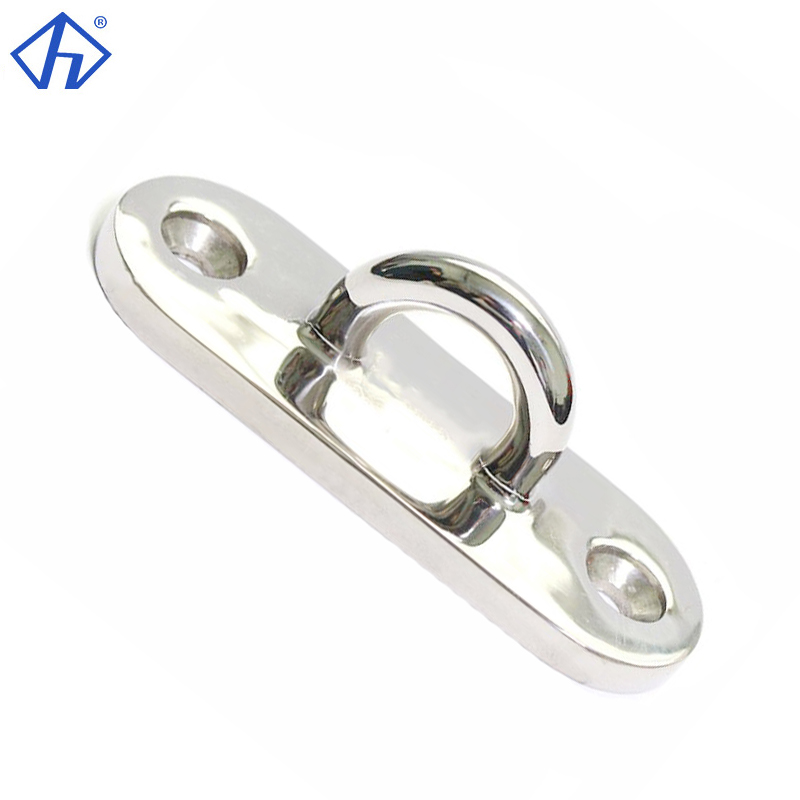
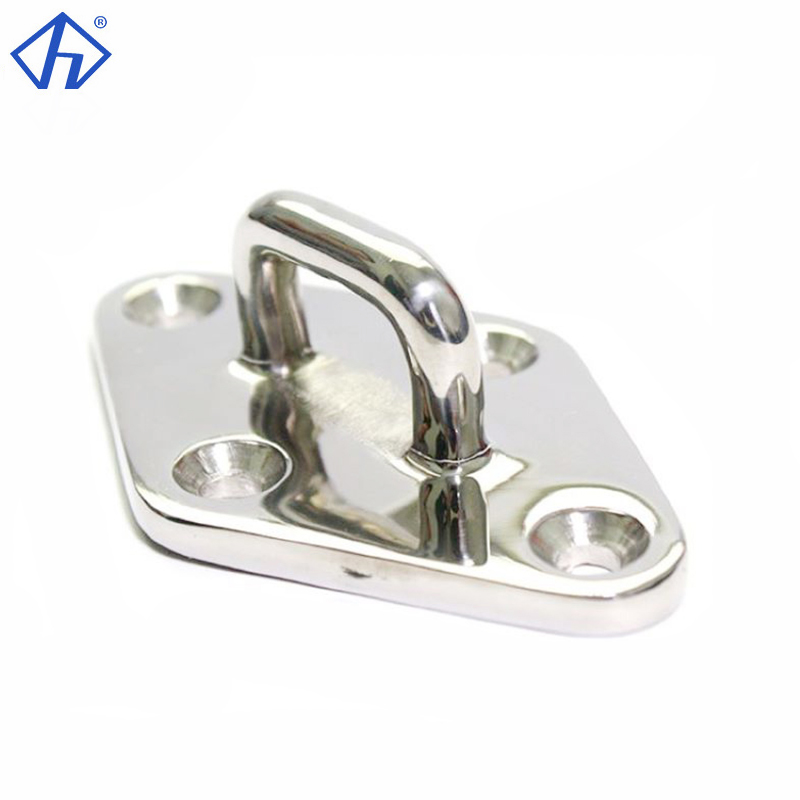
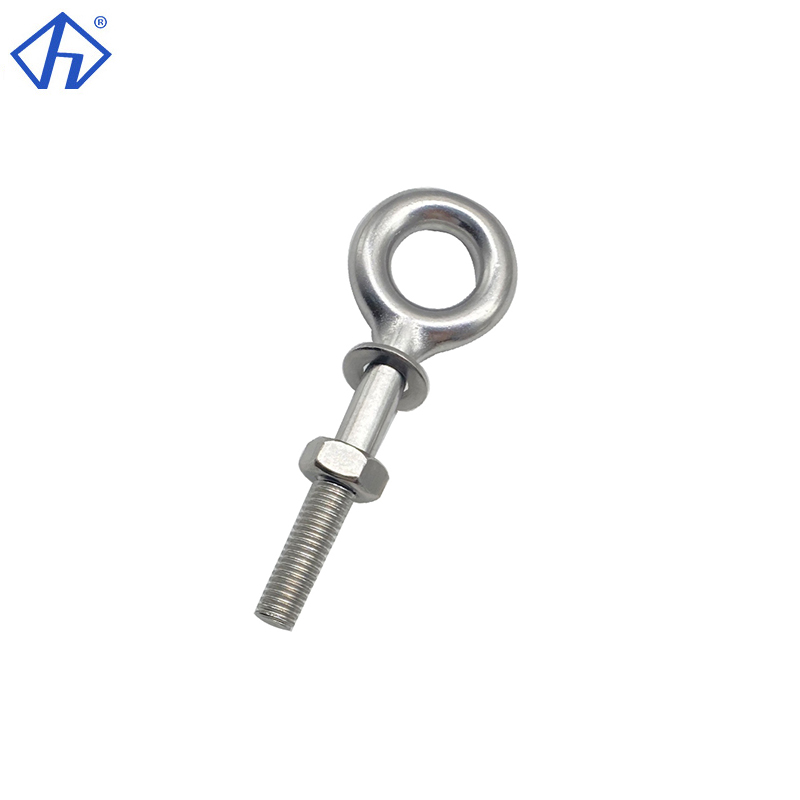
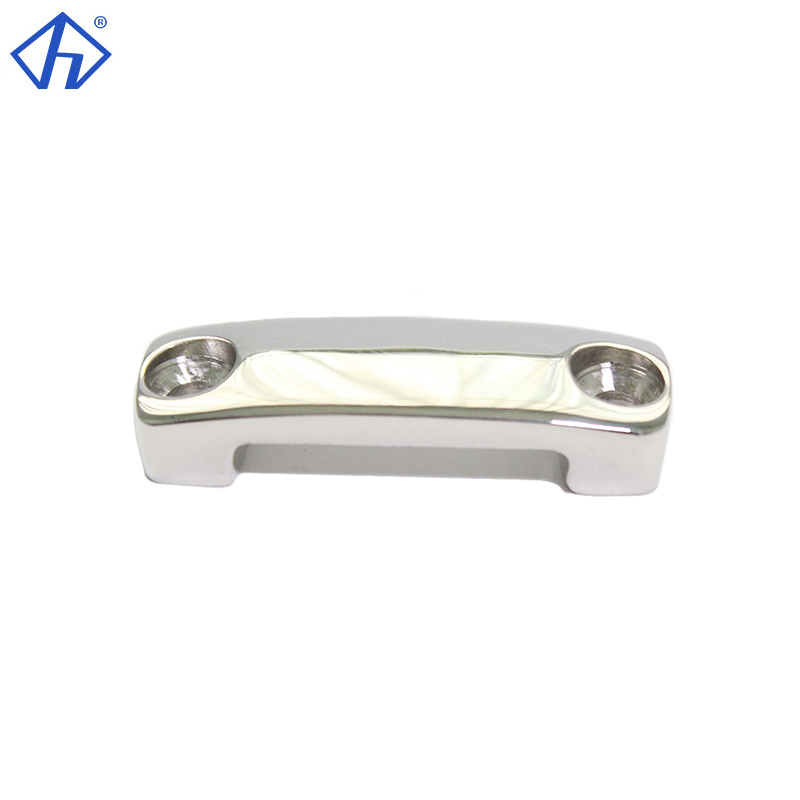
Hiever makes investment cast AISI 316 jaw slides built for bimini tops. We’ve got these available in 22 mm, 25 mm, 30 mm and 32 mm. They’ve got that shiny mirror polished surface, plus a convenient quick release pin included. They also offer matching Bimini handrail fittings. This makes it much easier to source parts for full assemblies or large-scale marine hardware orders.Other common stainless bimini hardwares are for sale as well,including rail base ,deck hinge mount,top cap, top insert,tube elbow,tube tee corner,hand rail fittings,etc.
What Is the Best Way to Select a Replacement Bimini Jaw Slide?
You should choose the right replacement by looking at the entire frame connection, not just by how the part looks. Begin by checking the tube outside diameter. Next, verify the jaw slide structure, the pin dimensions, the mating hardware, the material, and the specific installation needs.
When you’re out on the water or leaving gear sitting outside long term, high corrosion resistant materials such as AISI 316 stainless steel are a really solid pick. And if you often need to pull everything apart fast, a jaw slide with a quick release pin makes day to day use and maintenance way easier.
Conclusion
Swapping out a Bimini top jaw slide is quite simple if you verify the essential dimensions first. Measure the tube OD carefully. Check the mating eye end and the pin. Decide if a standard or hinged layout works best for your setup. Finally, pick a material that truly fits your specific boating environment.
For OEM needs or large bulk orders, giving the manufacturer clear drawings, exact dimensions, quantities, and usage details is vital. This helps avoid fitting problems. It also makes it way simpler to either go with a ready‑made unit or work out a custom setup.
FAQs
What Size Bimini Top Jaw Slide Do I Need?
Measure the outside diameter of your Bimini tube using a reliable caliper. Then, pick a jaw slide that is built for that exact diameter. Do not select the fitting based on how it looks or by measuring the inside diameter of the tube.
Are 316 stainless steel jaw slides actually okay for boat based use? Absolutely. AISI 316 stainless is super common for boat parts. It handles moisture and salty air really well and fights off corrosion great. That said, you still want to check how well it’s cast, its surface finish, what fasteners you pair it with, where you’re installing it, and plan to do some routine upkeep. These kind stainless bimini parts are also widely used for tube frame assembly and adjustment, canopy and canvas structure,etc.
What Is the Benefit of a Quick-Release Pin on a Bimini Jaw Slide?
A quick-release pin lets you open the connection fast. You do not have to mess with removing a standard bolt and nut every time. This makes folding, taking down, moving, or fixing a Bimini frame much easier. Just ensure that the pin dimensions correctly fit your connecting hardware.





Leave a comments