
W e l c o m e t o H i e v e r
M e t a l w o r k s

Loading

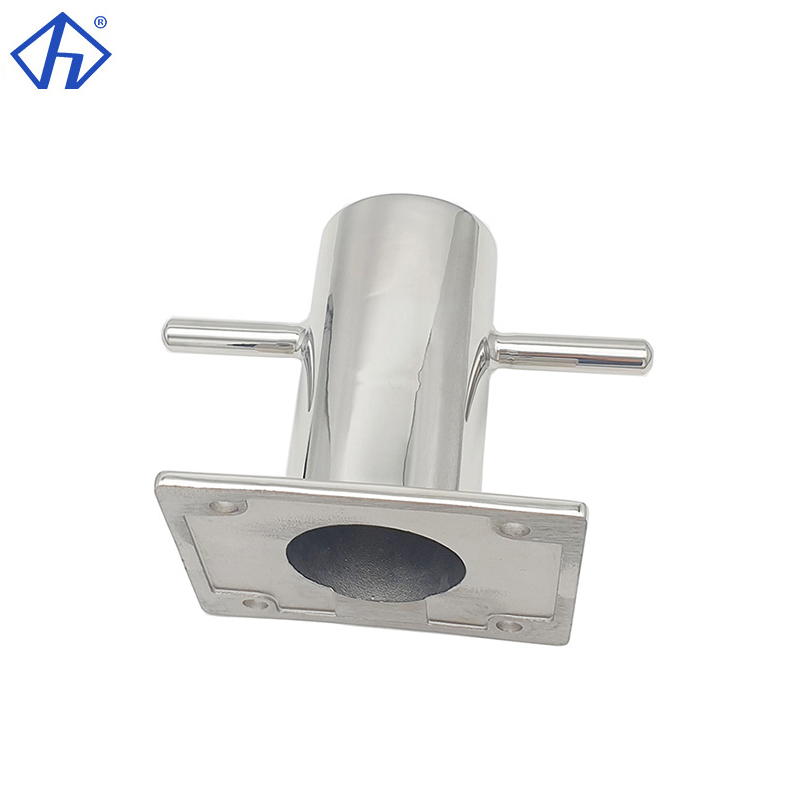
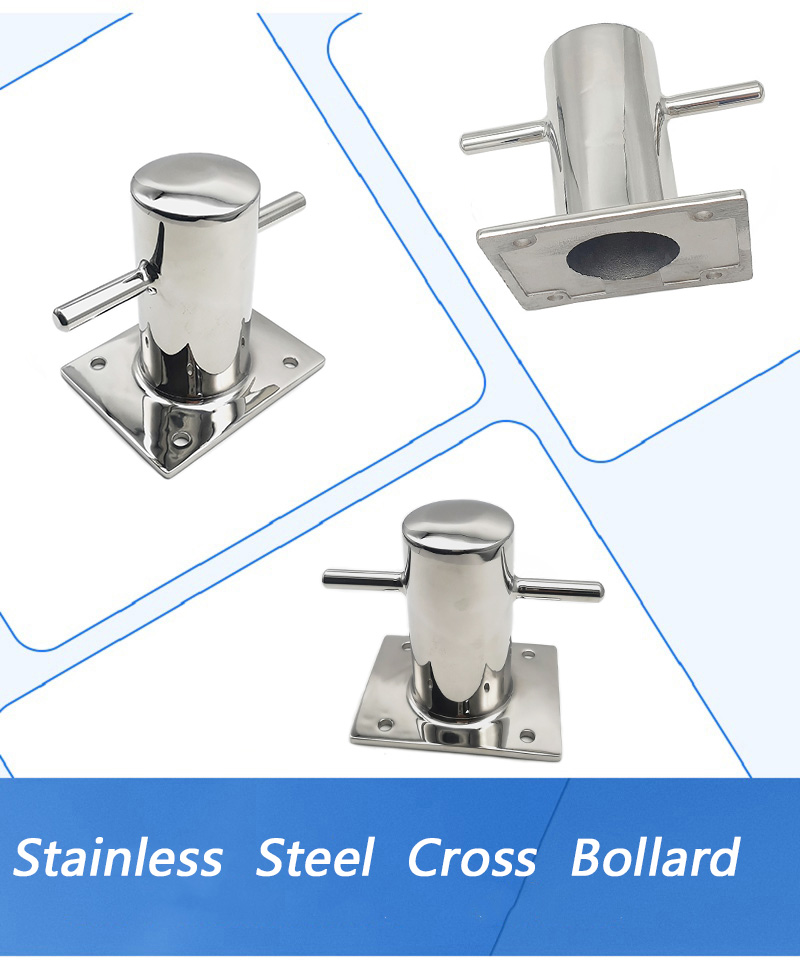
Stainless Steel Cross Bollard Mooring Bit Single Cross Bollard Boat Cross Bollard Cleat
Precision Casting Stainless Steel Cross Bollard Mooring Bit Single Cross Bollard Boat Cross Bollard Cleat
Precision Casting Stainless Steel Cross Bollard Mooring Bit Single Cross Bollard Boat Cross Bollard Cleat-Hiever
Precision Casting Stainless Steel Cross Bollard Mooring Bit Single Cross Bollard Boat Cross Bollard
Stainless Steel Cross Bollard Mooring Bit Single Cross Bollard Boat Cross Bollard Cleat
Precision Casting Stainless Steel Cross Bollard Mooring Bit Single Cross Bollard Boat Cross Bollard Cleat
Precision Casting Stainless Steel Cross Bollard Mooring Bit Single Cross Bollard Boat Cross Bollard Cleat-Hiever
Precision Casting Stainless Steel Cross Bollard Mooring Bit Single Cross Bollard Boat Cross Bollard

Stainless Steel Cross Bollard Mooring Bit Single Cross Bollard Boat Cross Bollard Cleat

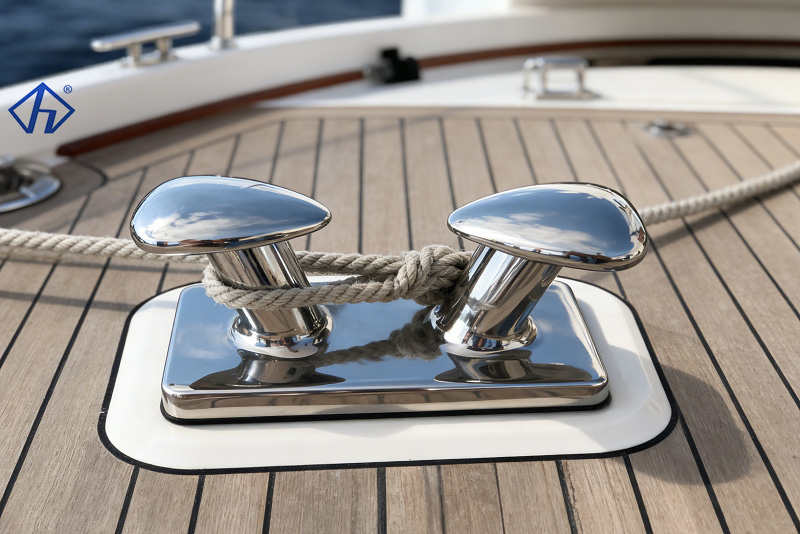
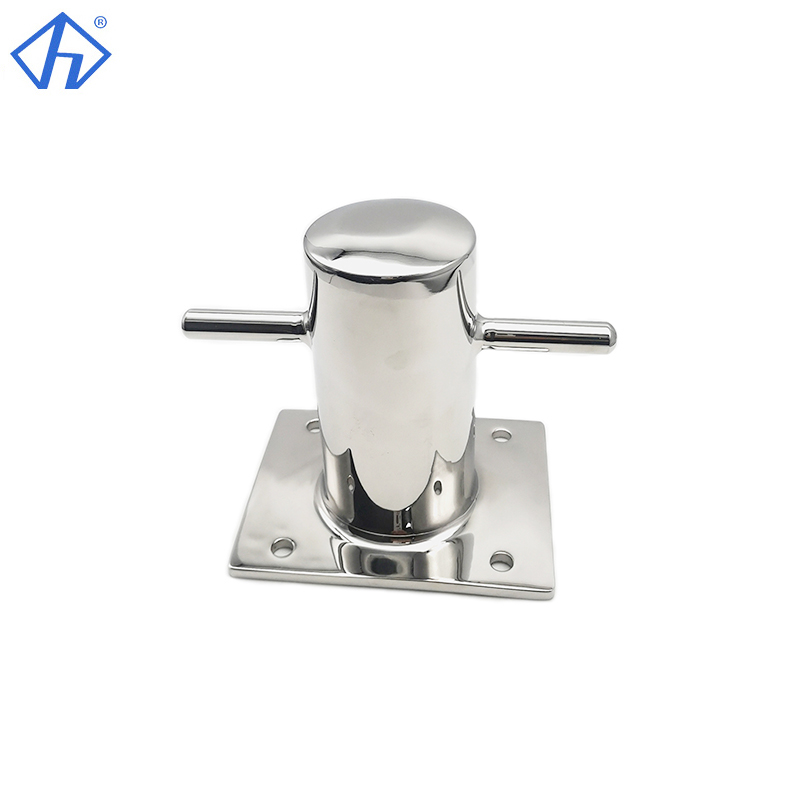
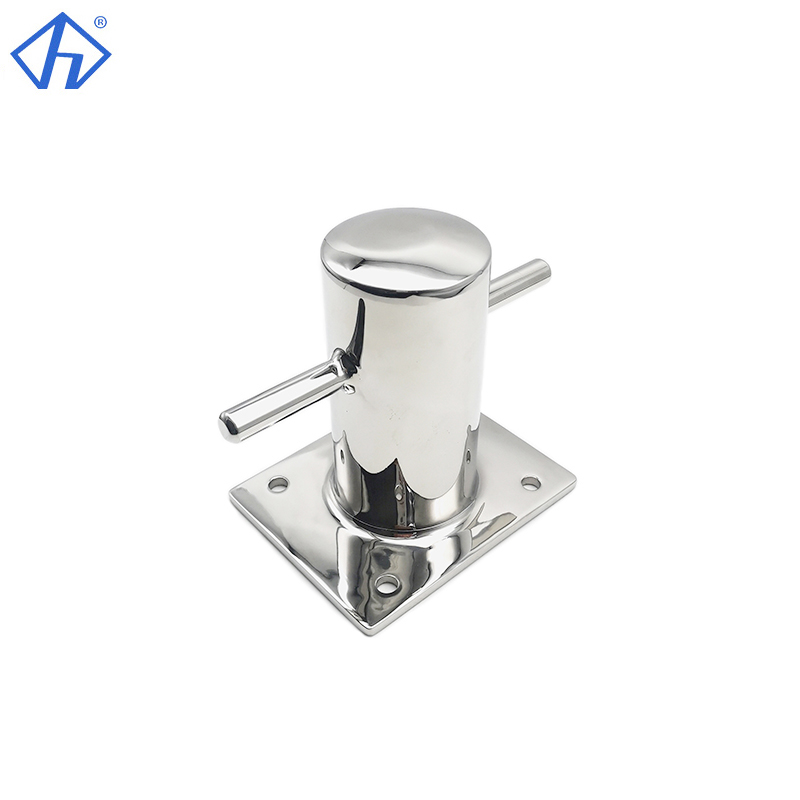
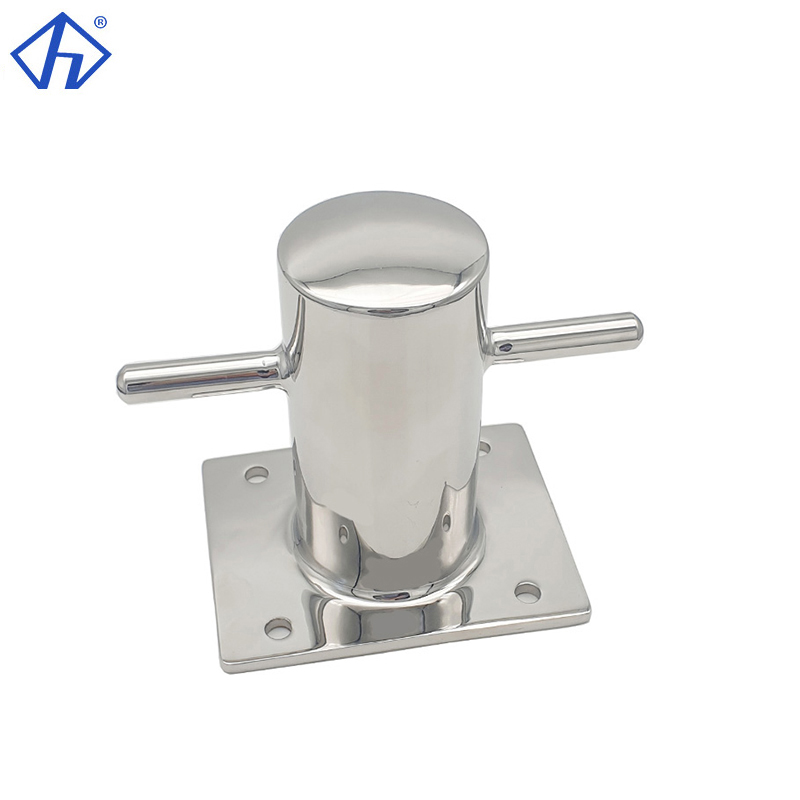
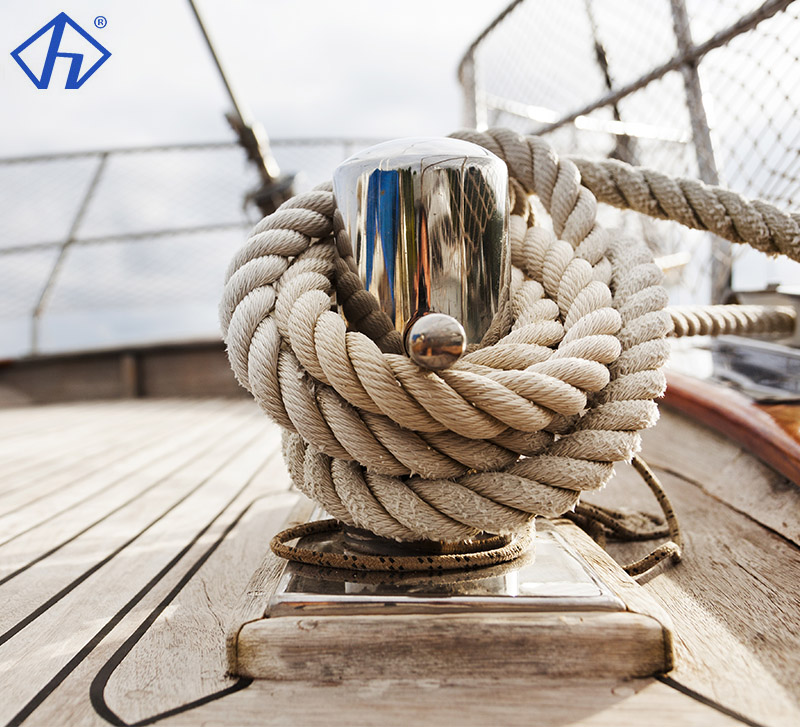
This 316 stainless steel cross bollard is perfect for both commercial and recreational yacht applications because of its cross-shaped form, which offers several secure mooring places. To guarantee the highest quality, all Hiever marine stainless steel hardwares are tested using infrared spectroscopy.

Precision Casting Stainless Steel Cross Bollard Mooring Bit Single Cross Bollard Boat Cross Bollard Cleat


  • Material: Stainless Steel AISI 316
  • Finish: Fine Mirror Polished


This marine-grade single cross bollard produced by Hiever is cast from heavy-duty marine-grade solid 316 stainless steel, delivering adequate corrosion resistance and functionality. Our cross bollard’s  mirror-polished surface exhibits beautiful design and premium quality, with a sheen and smoothness considerably above those of comparable products. The stainless steel cross bollard is suitable for motorboats, sailboats, boats, yachts, RVs, trailers, and other water sports. Hiever Metalworks  has an experienced team and is a top choice for repeat customers.

Hiever's SS316 cross bollard

Precision Casting Stainless Steel Cross Bollard Mooring Bit Single Cross Bollard Boat Cross Bollard CleatPrecision Casting Stainless Steel Cross Bollard Mooring Bit Single Cross Bollard Boat Cross Bollard Cleat-installation


HOME ABOUT3
Features

Sign Up and Never Miss a Deal Again

We are committed to providing our customers with excellent service, competitive pricing, and a wide variety of products to choose from.

    Your Name*

    Email*

    Tel*

    WhatsApp*

    Message*

    Latest Product

    Check out our Product

    View More
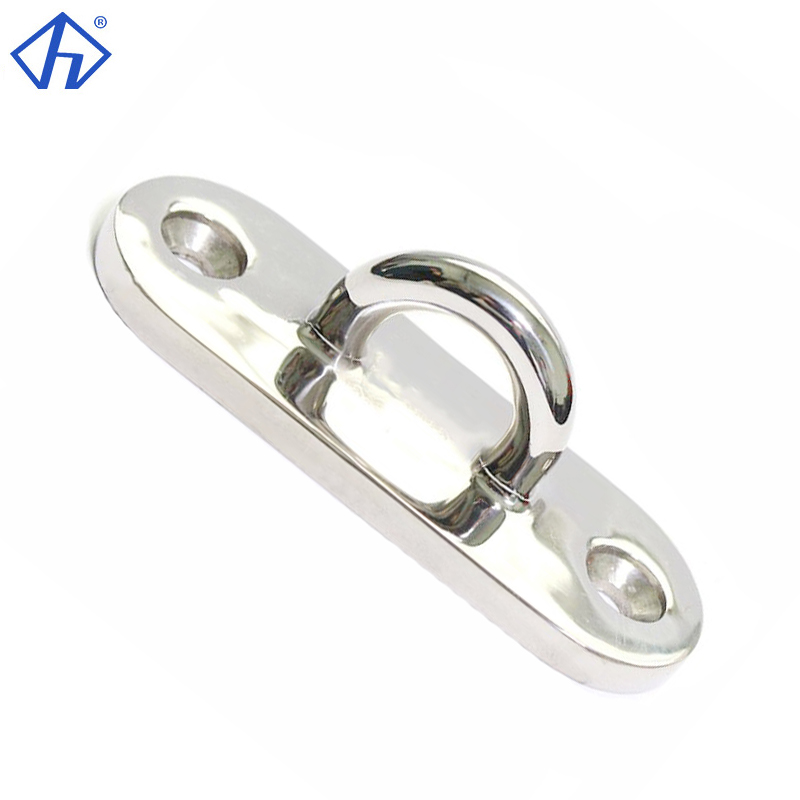
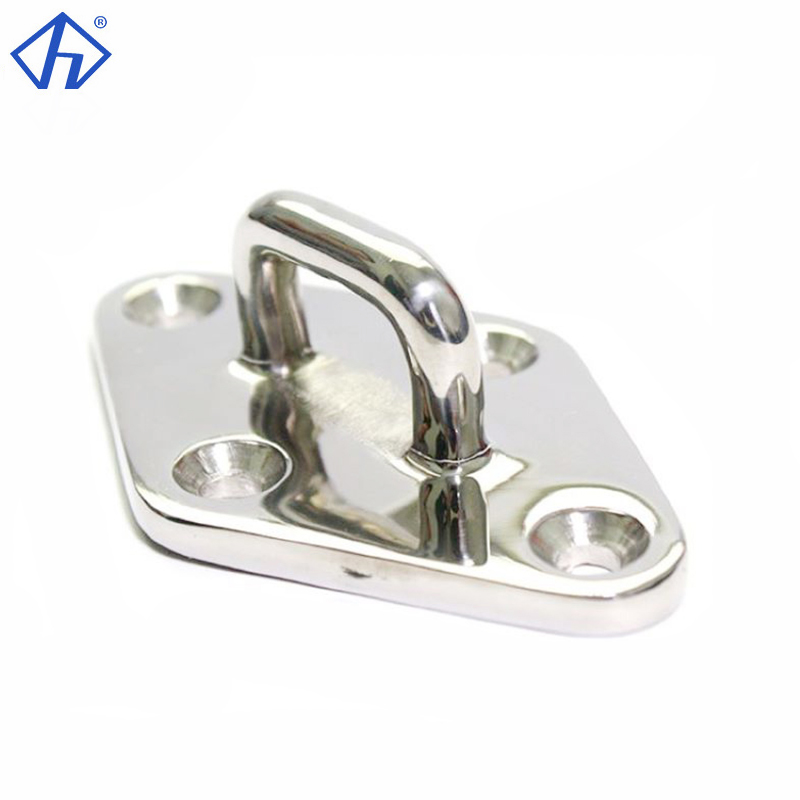
    Oblong Eye Plate

    AISI316 Oblong Eye Plate (75mm/88mm/100mm)Heavy Duty Pad Eye Deck Plate Staple Ring Loop Hook

    A heavy duty AISI316 oblong eye plate is designed to crate an attachment point. This marine grade oblong pad eye plate is good at hooking,rigging, hanging applications for boats or other industrial occasions. Please feel free to browse the hiever website and leave valuable feedback to us.
    Read More
    Stainless Eye Plate

    Stainless Eye Plate (80/90/100mm) Marine Pad Eye Plate Boat Deck Ceiling Hook Hardware

    The stainless eye plate’s high performance makes it a popular marine pad eye hardware. Hiever stainless eye plate is very solid and less prone to rust,except fixing on deck, but also widely used for ceiling,hanging and rigging applications.
    Read More
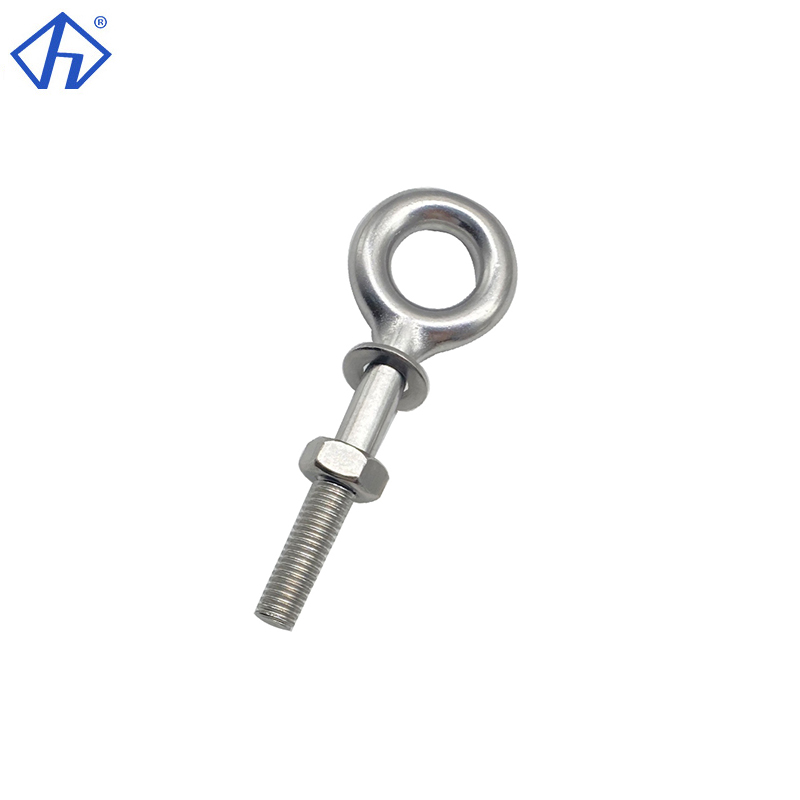
    Stainless Steel Eye Bolt Polished Long Eye Bolt With Full Nuts And Washer

    Stainless Steel Eye Bolt Polished Long Eye Bolt With Full Nuts And Washer

    Hiever uses precise casting technology and 316 stainless steel as the material for these long eye bolts. Our premium stainless eye bolts are 100% compliant with maritime hardware requirements. Whether facing the test of outdoor sun and rain or a damp industrial workshop, it can maintain structural stability for a long time.
    Read More
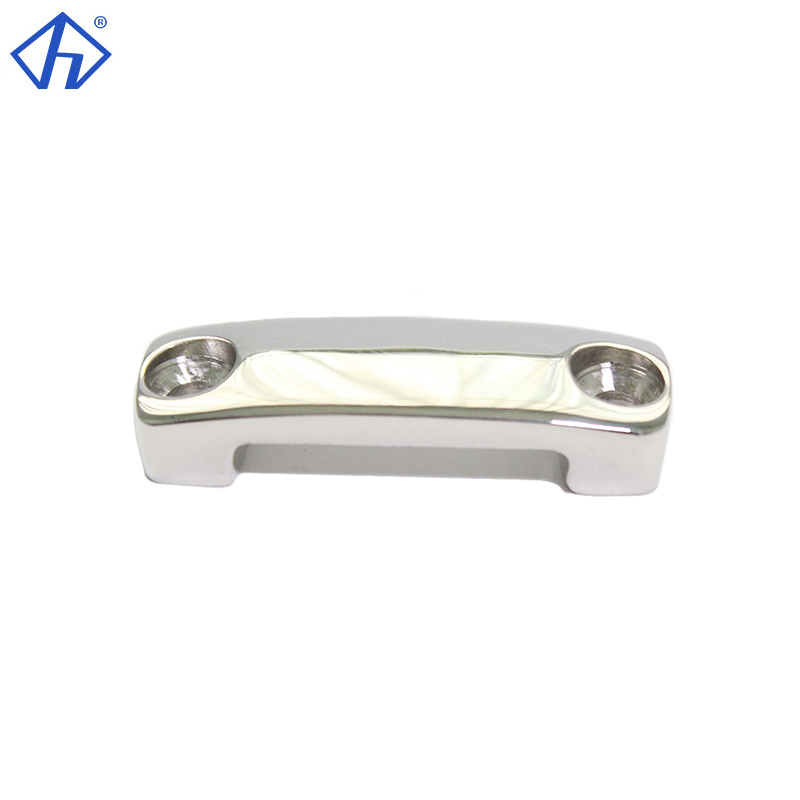
    Marine Webbing Bridge Yacht Top Strap Pad Eye Stainless Steel Footman’S Loop Tie Down Strap

    Marine Webbing Bridge Yacht Top Strap Pad Eye Stainless Steel Footman’s Loop Tie Down Strap

    This marine stainless steel webbing bridge is precision cast from 316 stainless steel with a mirror-polished surface to reduce webbing wear. The footman's loop rounded, smooth edges prevent the webbing from tearing or abrading during suspension. It is also suitable for rock climbing and industrial environments.
    Read More
    Latest News

    Check out our blog posts

    View More

    17/ July

    How Stainless Yacht Bilge Drain Bungs Are Manufactured: Investment Casting, CNC Machining and Mirror Polishing

    A yacht bilge drain bung might seem like a minor marine hardware part. However, its manufacturing quality has a direct impact on drainage effectiveness. On top of that, it’ll mess with how well the part seals, how well it fights rust, and the whole boat’s safety. This matters for all watercraft—boats, yachts, kayaks, canoes, deck surfaces and all marine drain systems—especially when they’re used year after year. A well-made316 stainless steel yacht bilge drain bung relies on precise casting paired with smooth, consistent threading work.It must also feature flawless plug movement, a gleaming surface finish, and a sturdy installation setup. Hiever’s 38×50mm yacht bilge drain bung is crafted from investment cast stainless steel 316. It is finished with a mirror polished surface. Furthermore, it features a removable threaded plug to allow for easy routine upkeep.     Why Do We Choose 316 Stainless Steel Used for Yacht Bilge Drain Bungs? Marine drainage hardware are exposed to water, damp air, and salt buildup. It also encounters cleaning agents, regular deck washing, and frequent opening and closing actions. Because of these harsh conditions, picking the right material is the crucial first step in drain bung manufacturing. What makes 316 stainless steel outperform other materials out on the water? 316 stainless steel is the go-to choice for all yacht and boat fittings. It simply resists corrosion far better than cheaper stainless steel grades where there’s lots of chloride. Cheap metals get stained and develop tiny pit marks fast when exposed to saltwater, sea spray and constant wet and dry cycles.If a bilge drain plug starts rusting, the flange, threaded stopper and screw holes all get damaged.It can also damage the plug seat and the visible surface. Employing 316 stainless steel allows the drainage kit to fight off rust and warping during extended vessel operation. This is particularly vital since the plug needs to stay removable for proper cleaning and draining. If the thread gets rusty or stuck, routine maintenance becomes quite tough. Consequently, the whole component might require replacing. Why Does Material Consistency Matter for OEM Buyers? For B2B buyers, material consistency goes beyond a mere technical specification. It heavily influences batch quality, export standing, and client feedback. It also dictates long-term product durability. When acquiring stainless steel drain bungs in large volumes, buyers must verify the material grade and casting process. They also need to check the surface finish, plug structure, and testing standards prior to production. A dependable supplier needs to be capable of manufacturing based on blueprints or physical samples. They should also be ready to talk about the material, exact dimensions, and technical points before giving a price quote. How Does Investment Casting Form the Drain Bung Body? Investment casting is frequently known as lost-wax casting. It is a standard method for making stainless steel marine hardware. This is because it can create intricate shapes with finer details than many simple casting techniques. It is highly suitable for small metal pieces that need robust strength and an elegant look. How Is the Wax Pattern Made? The procedure starts with the creation of the wax pattern. A metal mold is utilized to shape wax copies of the drain bung body. This shape has to exactly match the final product design. This includes the flange outline, the drainage hole, and the screw mounting spots. It also covers the plug seat and the outer profile. How good your wax molds turn out directly decides the finished casting quality. Any shrinkage, bending, surface blemishes or size inconsistencies on the wax mold will carry right over to the stainless steel casting. Accurate size control is absolutely critical for this 38×50mm drain fitting. The part has to fit the installation spot perfectly and enable the removable plug to work without a hitch. How Is the Ceramic Shell Built? After the wax patterns are finished, they are attached to a wax tree structure. This wax assembly is then dunked multiple times into a ceramic slurry. After that, it is covered with a heat-resistant material. Every single layer has to dry completely before the subsequent layer is put on. The resulting ceramic shell has to be tough enough to hold the extremely hot molten stainless steel. However, it also needs to be delicate enough to keep all the drain bung’s fine details intact. This particular step is crucial for marine hardware, where both the visible exterior and the functional shape are highly important. How do we pour molten 316 stainless steel? We fully finish the ceramic shell first, then melt all the wax inside out. This leaves an empty space inside the ceramic shell. Liquid 316 stainless steel is then poured into this space under strictly monitored conditions. The pouring heat and the flow of the metal have to be handled very carefully. This keeps common casting defects down to a minimum—things like air bubbles, shrinkage cavities, incomplete fill and rough uneven surfaces. After the metal cools down, the ceramic shell is smashed off. The raw casting is then sliced away from the main casting tree. At this specific point, the product possesses the basic shape of a yacht bilge drain bung. However, it still requires machining, polishing, putting together, and a final check. Why Is CNC Machining Needed After Casting? Investment casting builds the foundational stainless steel shape. Still, CNC machining is strictly necessary to achieve precise functional surfaces. A marine drain bung cannot just look attractive. It also has to fit together flawlessly, seal securely, and endure frequent plug removal. How Are the Drain Opening and Plug Seat Machined? The drainage hole and the plug seat have to be machined to form precise touching surfaces. If the plug seat turns out uneven, bumpy, or crooked, the removable plug might not shut properly. This situation can elevate the chance of leaks. It can also make the plug very hard to use. CNC machining aids in controlling the inside width, the seating area, the flatness, and the perfect alignment. These elements are extremely crucial for threaded removable plug designs. The plug has to line up perfectly with the main body every single time it is twisted open and closed. How Is the Thread Produced and Checked? Thread quality is absolutely one of the most critical aspects of a drain bung. A badly made thread might feel wobbly, get stuck while tightening, or freeze up after prolonged use. CNC thread machining ensures a steady thread depth, spacing, and strong connection. Once all machining work is done, we repeatedly screw the plug in and out dozens of times during quality testing. The thread must feel seamless, tight, and uniform. For regular upkeep, the user needs to be able to take out the plug without ruining the thread or the surrounding flange. Why Do Screw Holes and Flange Flatness Matter? Hiever’s product details indicate that setting it up is easy, using two screws provided by the final user. This implies that the screw holes and the mounting flange have to be manufactured with flawless alignment. If the screw holes are slightly off, putting the part in place can become quite tough.If the flange surface isn’t completely flat, the drain plug can’t sit evenly on the installation surface. When installing on boat decks, kayaks, canoes or drainage areas, the flange has to fit tightly and lie flat against the mounting position. How Does Mirror Polishing Improve Stainless Steel Drain Bungs? Mirror polishing is usually linked to visual appeal. However, for marine hardware, it also boosts rust resistance, makes cleaning simpler, and improves the user’s experience. Hiever’s yacht bilge drain bung features a mirror polished surface. This finish perfectly meets the high visual standards expected of stainless steel yacht hardware. How do we prep cast parts before polishing them? How do we prep cast parts before polishing them? Before we do the mirror finish, all rough castings get fully sanded and cleaned up. Our workers grind away casting seams, sharp burrs, rough edges and any uneven patches.The flange border, the plug top, the screw holes, and all visible areas have to be handled with immense care. Preparing the surface carefully also cuts down on spots where salt, grime, or dampness can gather. For marine drainage hardware, sleeker surfaces are much easier to wash off and care for after being in saltwater. What Happens During Mirror Polishing? Mirror polishing involves several polishing steps using increasingly fine sanding materials. The main objective is to yield a brilliant, sleek, and highly reflective surface. A polished stainless steel drain bung enhances the look of the boat hardware. It also provides a much cleaner surface for everyday use. A sleek polished surface can minimize dirt sticking to it. That makes routine cleaning a total breeze. It’s a huge plus for boat owners who always scrub down their decks, kayaks, canoes and drain areas after every outing.   Why Must Polishing Be Controlled? Polishing has to be strictly controlled. Too much polishing can alter the precise dimensions and round off important edges. Bad polishing can result in visible scratch marks, dull patches, sharp borders, or an inconsistent shine. For drain bungs, the manufacturing plant has to safeguard crucial functional parts like the threads, plug seats, and screw holes. At the same time, they must enhance the visual look. A superb mirror finish needs to deliver both stunning product beauty and excellent mechanical function. Why Choose Yantai Hiever as a Reliable Drain Bungs Supplier? Yantai Hiever Metalworks Co., Ltd. delivers stainless steel marine hardware and related metal parts. These are for yacht, boat, industrial, and general hardware uses. The company’s About page emphasizes rigorous quality checks and efficient production oversight. They also mention their professional support, wide range of products and all-in-one custom solutions. What’s more, every piece comes with a full material guarantee. The same page notes they’ve been in this line of work for over 20 years. They stock more than 300 standard products and work with buyers across around 30 countries worldwide.   How Can Hiever Support OEM and ODM Drain Bung Projects? For OEM/ODM buyers, Hiever declares that it can provide quotes and manufacture items based on client samples or blueprints. Additionally, its engineering staff is ready to offer expert guidance and solid technical solutions. For yacht bilge drain bungs, this implies that buyers can talk about size, material grade, and casting design. They can also discuss plug design, screw hole placement, surface finish, wrapping, and specific usage needs before manufacturing starts. This kind of support is incredibly helpful for importers and marine hardware dealers. It is also great for boat accessory brands and specialized custom yacht hardware projects. Conclusion Making 316 stainless steel yacht drainage hardware involves much more than just creating a tiny metal plug. A dependable product relies on picking the right material and achieving high investment casting precision. It also needs exact CNC machining, consistent thread quality, and carefully managed mirror polishing. Finally, it requires meticulous plug assembly and a thorough final check. For marine uses, 316 stainless steel aids in boosting rust resistance in damp and salty settings. Investment casting allows the drain bung body to be crafted with a durable and elegant form. CNC machining precisely manages the functional parts, such as the plug seat, screw holes, and the threads. Mirror polishing boosts the visual appeal and enables easier washing. Finally, a removable threaded plug makes routine maintenance much handier. For prospective buyers, the smartest method is to supply blueprints, physical samples, and installation specifics. They should also detail surface finish needs and the intended use prior to large-scale production. With clear technical dialogue, Yantai Hiever Metalworks Co., Ltd. can assist in supplying stainless steel drain bungs. These products will fulfill both the practical and visual demands for diverse marine hardware projects. FAQs 1. Why do we go with 316 stainless steel for yacht bilge drain plug kit? 316 stainless steel works perfectly here. It holds up really well against rust in wet, salty marine environments full of chloride. It keeps the flange, threaded stopper, screw holes and polished glossy surface intact even after long-term use on boats. 2. What manufacturing process is used for stainless steel drain bungs? A premium stainless steel drain bung is typically created through investment casting. This is followed by CNC machining, thread cutting, and mirror polishing. After that, plug assembly, size checking, and final wrapping take place. 3. Can yacht bilge drain bungs be customized for OEM or ODM orders? Absolutely. Customization can be easily arranged based on blueprints or samples. This includes the size, plug design, thread style, and screw hole placement. It also covers the material grade, surface finish, logo placement, and specific packaging needs.
    Read More
    top-How 316 Stainless Steel Yacht Bilge Drain Bungs Are Manufactured Investment Casting, CNC Machining and Mirror Polishing

    9/ July

    How Marine Flush Pull Rings Are Manufactured From AISI 316 Casting to Mirror Polishing

    How Marine Flush Pull Rings Are Manufactured: From AISI 316 Casting to Mirror Polishing Marine flush pull rings seem like tiny metal parts. However, their build quality directly impacts safety and toughness. It also changes the look and long-term use on boats, yachts, and hatches. You will find them on lockers, cabinets, and deck access panels. In ocean settings, a pull ring needs to fight saltwater rust. It must lay flat when nobody uses it. Furthermore, it has to offer a firm grip during lifting. It should maintain a neat, shiny appearance even after facing dampness, shaking, and harsh weather over and over. Because of these demands, top-tier marine flush pull rings go through a strict making process. The whole manufacturing sequence kicks off with AISI 316 stainless steel as the base material .Then, it moves into exact casting, cutting, shining, checking, and boxing. Why Is AISI 316 Stainless Steel Used for Marine Flush Pull Rings? People often put a marine pull ring in tricky spots. Normal metal parts would break down fast there. Ocean water, dampness, and sun rays create a tough working area. Constant touching by hands, tools, ropes, and harsh soaps adds to this stress. Superior saltwater corrosion protection Boat manufacturers almost always turn to AISI 316 stainless steel when sourcing on board fittings This metal fights salt-based rust much better than standard steel types. It contains molybdenum. This special element boosts protection against pitting. Pitting remains a huge rust issue near coasts and out at sea. This rust defense is vital for a flush pull ring on a boat hatch or deck locker. If the metal starts rusting, the item looks bad. Furthermore, it becomes unsafe to use. Rust marks can bleed into nearby fiberglass, wood, or paint. This mess forces boat owners and makers to do extra cleaning. Strong Mechanical Performance for Repeated Use A pull ring acts as more than a pretty handle. It has to survive endless lifting, tugging, and shaking. On boats and yachts, people might open hatch hardware every single day. The parts also face constant shaking from rough waves or loud motors. AISI 316 stainless steel gives the raw power needed for steady work. Workers combine this strong metal with good casting and polishing methods. As a result, the pull ring keeps its shape. It stays nicely tucked in its base. It handles years of work without bending easily. How Does Precision Casting Shape a Flush Pull Ring? After picking the correct metal, making the main shape is the next big step. Makers choose precision casting for many tough marine pull rings. This method builds solid, sleek, and tricky shapes. It also controls the final sizes very well. Creating the Wax Pattern The building phase normally starts with a wax model. Workers shape this wax to match the final flush pull ring design. It shows the sunken base, the ring itself, and the screw holes. It also includes any tiny parts needed for it to work. Getting the wax shape right is a huge deal. Any mistake here will show up in the finished metal piece. For OEM orders, this wax piece must perfectly match the buyer’s drawing. It must also match their sample or requested size. Building the Ceramic Shell After finishing the wax pattern, staff repeatedly submerge it into blended clay slurry and fine sand layer by layer. These stacked coats create a hard ceramic mold shell wrapping the wax interior. After this outer shell dries completely, they melt the wax away. This step leaves an empty space shaped exactly like the finished pull ring. This phase needs very rigorous quality control. The ceramic shell has to be tough enough to handle the high temperature liquid stainless steel. Meanwhile, the shell also has to reproduce all the delicate details on the finished hardware accurately. Pouring AISI 316 Stainless Steel With Liquid Status Workers melt the AISI 316 stainless steel into liquid status. Next, they pour it into the hard ceramic shell. Getting the heat and timing right is very important. The correct and professional operations can avoid casting flaws like tiny holes, shrinking, or half-filled shapes. The cast metal must be thick and solid for marine flush pull rings. Weak spots inside the metal can ruin its toughness. This shortens the lifespan of the part. This matters a lot for hardware used on heavy doors, lockers, and thick deck panels. Why Is Post-Casting Treatment Important? Pouring the metal forms the basic outline. However, a raw cast piece is not ready for boats yet. It still requires a few extra steps after casting. These steps boost size accuracy, make the surface nice, and ensure every piece looks the same. Removing Gates and Surface Residue Once the metal cools down, workers break off the ceramic shell. They take the cast item off the main metal tree. They chop away the pouring gates and extra bits. Next, they scrub the surface to wash away leftover clay and rough casting lines. This step gets the pull ring ready for more cutting and shining. If the washing is sloppy, later polishing becomes much harder. Checking the parts also gets tricky. Improving Shape and Dimensional Accuracy Workers must check and fix the sunken base, screw holes, and edges. These areas must match the original plan. Flatness is super important for a flush pull ring. If the bottom is bumpy, the item will not rest flat on the hatch or wood surface. Exact sizes also help builders avoid annoying problems. They prevent wobbly fits, weird gaps, or crooked screws. Preparing for Smooth Movement Certain marine flush pull rings feature a handle that drops flat into a sunken base. A few styles also hide a spring under the ring. For these types, the touching parts must be spotless and smooth. This lets the handle move easily without jamming. This smooth action matters for both ease of use and safety. A ring that refuses to fold flat can trip people. It might also snag gear on a deck or cabinet. How Are CNC Machining and Drilling Applied? After the cast item is clean and ready, machines step in to add fine details. This cutting work is vital for the screw holes. It also perfects the edges and the spots where parts rub together. Machining Mounting Holes People usually mount flush pull rings with screws. You see them on boat hatches, storage boxes, doors, and wood panels. The screw holes need exact spacing and clean drilling. Messy holes make putting the part on very hard. They can also ruin the final look. For B2B buyers, having holes in the exact same spot is a big deal. Boat makers, cabinet shops, and parts sellers need reliable items. They want parts they can install over and over without doing extra work. Refining Edges and Recessed Areas Machine tools also fix up the hollow space where the ring rests. The main goal is simple. The ring must lay totally flat when ignored. It must also pop up easily when grabbed. Workers shave off sharp borders to boost safety and comfort. Smooth rims also prevent nasty scratches on the wood or fiberglass nearby. Supporting OEM Size Requirements Various buyers might ask for unique sizes, shapes, and mounting setups. A round flush pull ring works great for tiny hatches or small doors. On the other hand, a square model gives a bigger grabbing space for heavy deck panels. CNC machines let factories manage these tiny details with great care. This precision makes it much simpler to handle OEM tasks. It also helps with custom marine hardware orders. How Does Mirror Polishing Improve Marine Pull Ring Quality? Making the surface shine is a very obvious step in the factory. Mirror finish polishing isn’t just for show on stainless marine hardware—it also cuts down cleanup work and extends the service life of the metal itself Creating a Smooth and Shiny Surface Mirror polishing rubs away rough spots. It leaves a bright, glass-like finish. This shine brings huge value to yacht and boat parts. Good looks matter a lot for both inside and outside boat spaces. Smooth finished surfaces simplify cleaning a great deal. Fine scratches are kept to a minimum, so salt residue, dirt and moisture won’t cling onto the hardware easily. A shiny flush pull ring gives the hatch or cabinet a much cleaner look. It makes the whole deck panel look very professional. Less Buildup of Grime and Salt Smooth finished surfaces simplify cleaning a great deal. Fine scratches are kept to a minimum, so salt residue, dirt and moisture won’t cling onto the hardware easily. This smoothness lowers the chance of ugly stains. It makes normal cleaning tasks much simpler for boat owners. Routine washing remains important for stainless steel marine hardware. However, a nicely polished surface makes that chore quite easy. Improving Product Value for Buyers For bulk buyers, marine brands, and OEM clients, the surface shine grabs attention first. Two pull rings might use the exact same metal. Yet, the shinier one always seems more premium and reliable. This fact makes mirror polishing a key part of selling products. It matters deeply for parts placed on luxury yachts and fancy cabinets. What Quality Checks Are Needed Before Shipment? A trusted marine hardware factory cannot rely purely on great metal and fancy machines. Quality checks must happen at every step. This ensures every single pull ring hits the strict standard. Material and Appearance Inspection The factory needs to verify the exact stainless steel type Once the polishing work wraps up, staff carry out a full inspection on every single pull ring, hunting for scratches, indentations, discoloration, cracks or faded areas on the surface. For shiny marine hardware, obvious flaws destroy buyer trust fast. This holds true for retail shops and OEM brand boxes. Dimensional Inspection Inspectors must measure important details. They check the total size, hole spacing, and hollow depth. They also measure the ring width and the base thickness. These numbers change how the part fits and works. For huge orders, keeping sizes exactly the same is crucial. A tiny mistake can cause massive headaches. This happens when workers try to install thousands of parts at once. Function and Assembly Check If the pull ring features a spring or folding joint, testers must check the action. The handle should pop up smoothly. It needs to drop back into place perfectly. It must lay totally flat when left alone. This movement test prevents angry customer feedback. It stops issues with loose handles, annoying rattling, stiff joints, or bad fits. Why Choose Yantai Hiever Metalworks Co., Ltd as a Reliable Marine Pull Ring Supplier? Picking the perfect partner is vital for buyers. They need steady quality, lasting teamwork, and expert marine hardware help. Yantai Hiever Metalworks Co., Ltd provides marine stainless pull rings. These parts fit boats, decks, doors, hatches, lockers, furniture, and cabinets well. Marine Hardware Experience Hiever holds many years of skill in marine hardware making. The company offers stainless steel pull rings built to fight rust. They survive heavy chores and look brilliant. Its pull ring lineup covers round, square, spring-loaded, and heavy-duty hidden designs. Support for Product Selection and OEM Needs Hiever helps sellers, boat makers, and hardware brands pick the best items. They match parts to the exact job, size, shine, and fitting needs. OEM service is also ready for buyers wanting special designs. Practical Value for B2B and C-End Markets Hiever pull rings fit both expert marine builds and everyday replacement jobs. Their flat shape keeps walking areas safe and neat. Meanwhile, the stainless steel build promises years of steady use in harsh spots. Conclusion Making a marine flush pull ring takes much more effort than bending a basic metal handle. It starts with picking AISI 316 stainless steel. Then comes exact casting, extra shaping, CNC cutting, and mirror polishing. Finally, workers check and pack the items. Every single phase changes the part’s rust defense, power, looks, and fitting ease. For boats, yachts, lockers, cabinets, and hatch setups, picking a solid flush pull ring stops repair headaches. It also makes using the door much nicer. For B2B buyers, teaming up with a trusted maker like Yantai Hiever Metalworks Co., Ltd brings peace of mind. It secures steady quality, great product choices, and solid marine hardware backing. FAQs What Is a Marine Flush Pull Ring Used For? People use a marine flush pull ring as a hidden lifting handle. You see them on boat hatches, deck boards, lockers, and cabinet doors. They also go on furniture and access panels. Its flat layout lets the ring hide when ignored. This reduces the risk of trips and creates a much safer working environment. What makes AISI 316 stainless steel the top choice for marine pull rings? AISI 316 stainless steel delivers amazing rust defense in salty and wet places. Its molybdenum mix stops chloride pitting very well. This trait makes it much better for ocean jobs than normal stainless steel kinds. How Should Stainless Steel Flush Pull Rings Be Maintained? It is very important to wash the stainless steel flush pull ring with clean water after sea trips. Users need to wipe away salt crusts and avoid touching the metal with dirty iron tools. They should also check the screws, hidden spots, and moving bits. This care keeps the hardware running perfectly.    
    Read More
    top-How Marine Flush Pull Rings Are Manufactured From AISI 316 Casting to Mirror Polishing

    2/ July

    Salt Spray Testing Explained: How Marine Cleats Are Evaluated for Corrosion Resistance

    Marine cleats are subject to the toughest application conditions and in continuous contact with water, humid air, UV-radiation and temperature changes. Saltwater, one of the worst corrodents, is a particular challenge. For boat builders, for marina management and for the marine hardware manufacturers corrosion resistance is not just a cosmetic feature; it is a safety feature and it affects life and maintenance costs. In order to guarantee the quality of marine hardware a very stringent test for corrosion resistance is needed. When it comes to evaluating corrosion-resistance, many manufacturers utilize a variety of tests. But among the most effective methods for simulating corrosion in a controlled environment to compare materials or verify a coating’s durability is through salt spray testing. It can also be used to test the effectiveness of protective coatings, and to ensure that a product complies with the requirements of established standards. To understand how your high-quality stainless steel marine cleats perform in coastal or offshore environments, learn more about the salt spray testing process. What Is the Purpose of Salt Spray Testing in Marine Hardware Evaluation? Salt spray testing is a critical test to assess the corrosion resistance of marine hardware parts and components, including marine cleats. In maritime engineering, where equipment is exposed to salt air and seawater, the effect of materials under accelerated corrosion is a major factor in determining the durability of a part. The Role of Salt Spray Testing in Corrosion Assessment An environmental test can provide an accelerated simulation of exposure to typical marine environments, enabling the engineer to make predictions regarding the long-term behavior of materials. Furthermore, it is possible to compare ‘like with like’ between different coatings or even different alloys, facilitating the manufacturer in determining whether his product is able to meet specific performance criteria. Thus, for example, a stainless steel marine cleat manufacturer can check that his products will not suffer structural failure in harsh saltwater environments. Such tests are also used as part of the quality assurance program to verify the certification of a manufacturer’s products prior to their release onto the market. Standards Commonly Used for Salt Spray Testing Neutral salt spray testing for corrosion is commonly referenced to in a number of international standards. For example, two of the most recognized tests for corrosion, ASTM B117 and ISO 9227, each describe neutral salt spray (NSS) tests. For both tests the temperature, solution pH and sodium chloride concentration are fixed at 35°C, 6.5–7.2 and 5% respectively. By fixing these key parameters the test becomes reproducible allowing results from tests on different batches or even different materials to be accurately compared. For companies such as Yantai Hiever Metalworks Co., Ltd, manufacturers of marine hardware, the adherence to such internationally recognized tests provides a method of quality control with a clear and traceable benchmark. How Does the Salt Spray Test Process Work for Marine Cleats? The salt spray test is a test where marine cleats are exposed to a controlled saline environment in a test chamber. This test procedure simulates the effect of years of exposure to sea in a short amount of time, by continuously misting the test samples with a sodium chloride solution. Preparation of Marine Cleat Samples The test samples are thoroughly cleaned prior to the test to remove oil and grease from surfaces under test to replicate natural corrosion. The specimens are mounted at a specific angle to allow all surfaces of the test specimen to be exposed to the corrosive environment. Each specimen is labeled with identification tags, listing type of sample, test duration and batch number for quality audit traceability purposes. Operation of the Salt Spray Chamber Within the test chamber a fine spray of sodium chloride solution is allowed to settle upon the test cleats and maintained at a constant temperature and relative humidity. The duration of test is generally as specified by the relevant specification. Initial visual inspection for early signs of corrosion can be undertaken after a 24 hour test period but for full validation of high performance cleats for use in offshore applications are subjected to in excess of 1,000 hours of test. The salt spray test simulates the long term exposure of cleats to seawater. Evaluation Criteria After Exposure For post-test evaluation the corroded cleat is visually inspected for signs of rust, pitting or discoloration. The weight loss of the cleat material is determined and the area of local corrosion initiation identified by microscopic inspection. The results are then compared against acceptance criteria as specified by internal requirements or by market standards to check whether the tested cleat has achieved the required corrosion resistance. Why Is Corrosion Resistance Critical for Marine Cleats? Marine cleats are the primary fixed mooring points on boats and docks and their failure could result in serious safety and operational problems. In addition to possible deterioration in appearance, corrosion will damage cleat’s appearance and aslo  affect its mechanical properties. The Impact of Corrosion on Structural Integrity Corrosion eats away metal and makes sections thinner, while pits and cracks form where stress builds up easily,this cuts down how much weight the metal can hold.Damaged surfaces aslo create extra friction when we work with mooring ropes.The mooring process becomes harder to carry out, and dynamic forces could turn this into a real safety risk. Material Selection for Enhanced Durability 316 grade stainless steel is highly corrosion resistant due to its molybdenum content. It is far more resistant to chloride induced pitting than 304 grade stainless steel and also tolerates well cyclic wet/dry exposure typical of exposure in marine environments. Passivation treatments of 316 grade stainless steel remove free iron from the surface of the material, thereby enhancing the protective oxide film present on the surface of the steel. Other materials including bronze and anodized aluminum are used in various exposures and require customized maintenance and electrochemical behavior strategies. How Do Test Results Influence Material Choice and Product Certification? Data from salt spray testing can provide engineers with critical information about marine hardware designed to be in constant contact with seawater. The data can be used to make informed decisions about material selection and to make design changes as needed. Interpreting Test Outcomes for Engineering Decisions Results obtained for longer exposure times without signs of corrosion indicate high durability of a coating and allows its application for heavy-duty use on yachts as well as on commercial vessels. Thus, results obtained can be used for selection of the most suitable coating and for verification of compliance with known international standards such as ISO 3506 or ASTM A240, which governs corrosion resistance of stainless steels for use in marine environment. Integration into Quality Control Systems Our manufacturing process integrates salt spray testing into a quality management system that ensures testing is consistently performed. By testing production lots on a regular basis, we verify that each lot of production meets the corrosion resistance requirements of the end product prior to shipment. Test reports generated during the above tests provide documentation required for traceability for audits performed by shipbuilding and for classification societies. How Does Hiever Metalworks Ensure Reliable Marine Cleat Performance? Yantai Hiever Metalworks Co., Ltd is a leading manufacturer of high-precision stainless steel marine hardware, mainly used in harsh offshore conditions. Key Strengths of Yantai Hiever Metalworks Co., Ltd The Hiever foldable spring-up cleat comes up with a handle. Simply hit the button and the handle spring up, onece you’re done using it, you can fold it flush right against the boat hull.This cleat is made from 316 stainless steel and is resistant to salt and corrosion. This clever design is made possible by Hiever’s innovative designs, expert use of investment casting and their mirror polishing finishes. They result in beautiful functional products. The company is running under ISO 9001:2015 certified quality management system. Very strict quality control is applied right from raw material receiving verified by spectrographic analysis till pre-shipping inspection including load test and salt spray test. The corrosion protection products offered by the company provide the best anti-corrosion protection with consistently high quality by using the best certified quality raw materials, extremely precise CNC-machining, passivation and salt spray test. What Are the Emerging Trends in Corrosion Resistance Testing for Marine Components? As the global maritime industry moves towards a more sustainable future, operating in a safe manner has become increasingly important. New methods are being developed that can upgrade the classic salt spray test with more realistic simulation of the various environmental conditions that can be encountered at sea. Advances in Accelerated Corrosion Testing Techniques New cyclic corrosion tests are conducted by switching between wetting, drying and humidity cycles corresponding to the actual service conditions of a ship at sea. In addition to the well-established visual inspection for signs of degradation, the performance of a coating is now measured quantitatively by means of electrochemical impedance spectroscopy (EIS). The results allow for a profound analysis of the beginning of a corrosion process by means of the charge transfer resistance at the metal/solution interface. Integration of Digital Monitoring Systems Automated data logging systems automatically record continuously all the environmental parameters during extended test periods, this way full traceability is assured and it is also guaranteed that human errors are minimized during the monitoring period. By means of Artificial Intelligence image analysis tools the laboratories are able to detect micro-pitting and discoloration patterns which are not visible with the human eye. This allows to develop predictive maintenance models based on historical data. Wrap-up: Thorough Corrosion Testing Guarantees Reliable Long-Term Performance If manufacturers stick to standard salt spray tests every time, they can check whether their boat cleats are tough enough to keep vessels safe out at sea.Firms like Yantai Hiever Metalworks Co., Ltd combine premium metal materials including molybdenum-rich 316 stainless steel, precise casting techniques and full surface finishing oversight. Their hardware can stand constant seawater exposure for years, keeping solid mechanical performance and a neat look that modern boats need. FAQs What duration is typically used for salt spray testing of 316 stainless steel marine cleats? Test duration for these types of tests generally are in the range of 500 to 1,000 hours depending on test specification. Since 316 stainless steel has inherent high corrosion resistance for use in exposure to seawater for long periods of time, it is anticipated that test duration will be near the lower end of this range. Does salt spray testing replicate real-life marine conditions exactly? The test accelerates corrosion by enhancing standard corrosion mechanisms under controlled saline mist, however it does not seek to simulate other environmental influences such as exposure to UV or fluctuating temperatures and is therefore best used as a comparative test for materials. How often should marine cleats be inspected after installation? Routine inspection every 6 months for continuously operating vessels in seawater. The frequency could be higher depending on local salinity and mechanical stress during mooring operations.
    Read More
    top-Salt Spray Testing Explained How Marine Cleats Are Evaluated for Corrosion Resistance(1)

    25/ June

    How to Select the Right Yacht Boat Hinge Based on Load Capacity and Opening Angle

    Although normally small, in yacht and marine engineering hinges are very important components. As part of a cabin door, engine hatch, storage compartment or even deck access hatch, they have to allow smooth opening and closing of the respective part, at the same time carrying the static load of the respective part and the dynamic loads of motion, vibration and sea water influence. While typical industrial hinges are often used on yachts and boats, they are subjected to a harsh environment of saltwater, humidity, UV-radiation and mechanical stress. Misaligned hinges, hinges prone to corrosion as well as structural safety failures are just some of the potential problems which could occur when choosing the wrong marine hinge. That is why yacht designers and shipbuilders as well as engineers put a focus on two important criteria when selecting their marine hinges: load capacity and opening angle. The load capacity of the hinge is crucial in determining whether the door or hatch of a lock is able to hold its own weight under both static and dynamic marine conditions whilst the lock is being opened. The opening angle of the hinge is critical in ensuring that adequate access for servicing and maintenance is available and that space is used efficiently on board. A compromise between these two important factors is required in order to arrive at a solution that is suitable for use in modern yacht design which is reliable, safe and easy to use in the long term. When buying yacht boat hinges, knowing the relationships between the different characteristics and how the material, design and the installation condition of a hinge can influence the hinge’s performance, allows for optimal choices for several different marine applications in a cost effective manner. What Factors Influence the Selection of a Yacht Boat Hinge? Choosing the right yacht boat hinge involves several mechanical and environmental criteria. The hinge selected will determine the long life and functionality of the hinge and the overall performance of the structure in marine environments. Material Composition and Corrosion Resistance 316 Stainless Steel provides superior corrosion resistance to saltwater. Its high Chromium, Nickel and Molybdenum content enables 316 Stainless Steel to be corrosion resistant in severe environments and particularly resistant to corrosion from chloride exposure such as from seawater. It has added protection from localized corrosion from the Molybdenum which makes this alloy particularly suitable for exposure in moist environments containing salinity. A surface finish can have two important functions for a product. Firstly it can give the product a pleasant appearance. Secondly it can extend the product life and make cleaning easier. A mirror-polished surface will give a good appearance and will have less chance of fouling. This hinge has a mirror polished surface which is also resistant to rust. Even after long time in a marine environment the hinge will keep its shine. The hinge is made of stainless steel and is 40×40mm. It is stamped and is a yacht / boat hinge. Manufacturer of this high quality hinge is Yantai Hiever Metalworks. Structural Design and Mounting Configuration The hinge’s configuration directly affects load distribution, pivot smoothness, and alignment stability. Flush-mounted designs minimize drag on moving parts such as hatches or access panels while enhancing safety on deck by eliminating protrusions. Reinforced hinge arms or cast sections distribute stress evenly, reducing fatigue at pivot points during repetitive movement cycles typical in yacht operations. Environmental Conditions and Maintenance Requirements Marine hinges are subjected to the effects of UV, humidity, vibration and salt water. Lubricating all moving parts on a regular basis will prevent hinges from becoming stiff and inspection for signs of early fatigue or micro cracking should be carried out on a regular basis. In addition, hinges should be frequently washed down with fresh water to remove any salt deposits from hinges. Even high quality materials such as 316 stainless steel are not immune to corrosion from salt water and regular washing down will help to prevent this. How Does Load Capacity Determine the Right Hinge Choice? The load carrying capacity of the hinge is described by its ability to absorb the normal stresses during operation without any permanent deformation. The corresponding calculations have to be done for static as well as for dynamic loads and have to cover all the various sea states. Evaluating Static and Dynamic Loads Static loads such as weight bearing doors or hatches, opposed to dynamic loads from wave impacts, vessel movement or vibrations whilst navigating. A correct assessment of loads and choice of suitable hinges to absorb the combination of loads statically and dynamically over time without permanent distortion. Calculating Load Distribution Across Multiple Hinges The load can be shared effectively based on the hinge spacing, and the attachment is accurate or as designed. Any uneven distribution of loads can cause excessive wear, or could result in an imbalance of the hatches. To verify the even mechanical performance for multiple attachments, Finite Element Analysis (FEA) simulation models can help to highlight areas of high stress concentration on the hinge pins or leaves. Selecting Hinges for Heavy-Duty Marine Applications Heavy-duty marine hinges require oversized pins and reinforced arms, sothat it can bear higher torque forces from large panels or automatic equipment. Double-action mechanisms provide smoother operation for heavy hatches, while marine-grade fasteners complement hinge strength for optimal performance in harsh offshore environments. Why Is Opening Angle Critical in Yacht Design? The opening angle is an important parameter that sets the area of motion, access and ergonomics within confined areas on board the yacht. Relationship Between Opening Angle and Functionality While wider angles are preferred for access to all areas of compartments or engine bays, for areas located near deck edges or bulkheads it may be necessary to accept more restricted angles. This must then be offset against requirements for safe clearance to avoid damage from moving parts. Engineering Considerations for Controlled Motion Range To prevent sudden shock to door fittings, friction-based dampers can be used to regulate the speed of opening and closing. A stop can be included to prevent door over extension. Hinges can also be made to be adjustable to accommodate exacting installation geometry found in many custom yacht interior applications. How to Match Load Capacity with Opening Angle for Optimal Performance? Achieving a balance between load-bearing strength and motion flexibility is the key to durable marine hardware systems. Integrating Mechanical Parameters into Design Calculations The torque generated from the pivot point’s load capacity determines the maximum possible opening and checks for overstressing of the pivot axis. Ensuring the pivot point is aligned correctly will also prevent high levels of bending stress during repeat use. This can be confirmed using Finite Element Analysis to test the hinges under combination of torsion and shear forces in simulated dynamic marine operating conditions. Testing Procedures Before Installation on Yachts Fatigue testing of a sample are undertaken in a laboratory to replicate a number of scenarios that may occur during the service life of a product at sea. These include cyclic loading over long periods of time, as well as corrosion testing using salt spray to test the material over a long period of time, which is a common practice in the steel fabricating industry. Yantai Hiever Metalworks Co., Ltd. have experience in this area. Field trials have been undertaken to confirm the functionality of the unit in a variety of sea states prior to final assembly on board vessels. Why Choose 316 Stainless Steel Hinges for Yacht Applications? 316 stainless steel is still the chosen material for its mechanical properties and its marine-grade corrosion protection. Advantages of 316 Stainless Steel Over Other Alloys The molybdenum in the alloy can increase the performance of resistance to pitting from chlorides. Its very high tensile strength enables operation under heavy loads without permanent deformation. Operation under variable loading at sea is also possible since the alloy has resistance to low temperature as well as high temperature, typical of the offshore environment. Hiever’s technical expertise comments on marine hardware being one of the toughest areas to work in. Hiever comments that 316 stainless steel provides superior corrosion resistance to the more common grade of 304 stainless steel. This is down to the 316 steel having a balanced chemical composition of Chromium 16–18%, Nickel 10–14% and Molybdenum 2–3%. Long-Term Value in Marine Hardware Investment By reducing the frequency of maintenance, Reduced maintenance lifecycle costs for the yacht owner. Luxury appearance is maintained over long periods and products look fresh after use. Our product is compatible with other stainless steel fittings. This makes maintenance easier during refit or dry-dock period. Why Partner with Yantai Hiever Metalworks Co., Ltd for Yacht Boat Hinges? Yantai Hiever Metalworks Co., Ltd. is known to be a reliable manufacturer providing a wide variety of yacht hardware parts that are precision made to meet client needs. Commitment to Quality Manufacturing Standards Incorporating advanced CNC machining techniques enables all production stages to meet exacting dimensional requirements. Using certified 316 stainless steel helps to deliver consistent corrosion resistance. All produced parts are subject to a passivation treatment, subsequent pressure test and salt spray test to simulate several years of seawater exposure before dispatch. It ensures the tightest of seals during operational service. Product Range Tailored for Professional Marine Applications A selection of hinges are cast stainless steel or are stamped from stainless steel sheet, some models have folding arms or can be mirror polished such as the Stainless Steel Mirror Polished Hinges Stamped Yacht Boat Hinges 40×40mm shown on this page. We offer OEM production of many types of marine hinges to your specification for size and surface finish. We also offer technical advice to naval architects regarding our range of hinges, the best model to use and how best to fit them into a hull structure or interior finish. Key Takeaways for Selecting the Ideal Yacht Boat Hinge When selecting a yacht boat hinge, a trade-off has to be made between the material used, the mechanical load, the durability in different environments and the precision of the hinge’s motion. Core Principles of Effective Selection When selecting engineering products, the static and dynamic loads under which they will be operating should be analyzed. The opening angle for which the product is designed should be appropriate for ergonomics. For long-term operation in continuous saltwater exposure, 316 stainless steel is the recommended material for construction of the parts. It is very important to source these products from a certified manufacturer, for an example, Yantai Hiever Metalworks is a reliable supplier, they strictly enforce quality assurance all the time. FAQs What is the recommended maintenance interval for 316 stainless steel boat hinges? Regular inspection every 6 months by cleaning salt deposit off from movable parts and applying a small amount of lubricant to them is recommended to ensure smooth operation in the long run. Can different hinge types be combined on the same yacht structure? Yes. As long as each hinge is rated for the corresponding load, then as long as you use same material grade for all other fittings, corrosion resistance will be uniform for the entire structure. How does temperature variation affect hinge performance? Note: The thermal expansion can affect the allowed tolerances for the alignment, but the pins are precision fitted, so they can take up any resulting slack to prevent binding on long sea voyages.
    Read More
    How to Select the Right Yacht Boat Hinge Based on Load Capacity and Opening Angle

    18/ June

    How The Rotating Boat Cleats Are Manufactured From 316 Stainless Steel Casting to Mirror Polishing

    Essential components for safe, efficient mooring on all types of vessels including yachts, docks and commercial vessels in harbor, Rotating Boat Cleats offer superior rope handling and reduced wear while spreading the load effectively. Unlike Fixed Cleats these Cleats are designed for use in dynamic marine environments. Demand for high quality marine accessories that can meet high performance criteria is increasing globally. Not only do buyers want items that look good but also they place a lot of emphasis on the quality of the production, the materials used and how well an item resists corrosion over time. The production of rotating boat cleats therefore is a critical factor that determines the quality of such an item. Premium marine hardware is primarily made from 316 stainless steel, a Marine Grade alloy, which has superior resistance to corrosion from seawater, mechanicalare and environmental degradation over long periods. Combined with precision engineering techniques such as investment casting, CNC machining and mirror polishing, these components are made into superior cleats that are designed to meet the highest performance levels as well as having high aesthetic appeal. The manufacturing process of rotating boat cleats provides valuable insights to how certain cleats can perform better than others in terms of durability, safety and lifespan. This article goes through the various stages of manufacturing a rotating boat cleat from raw 316 stainless steel castings to mirror finishing and how all the engineering processes involved provide for a reliable offshore product. Why Is 316 Stainless Steel The Ideal Choice for Marine Hardware? Before we talk about the details of the manufacturing process for rotating boat cleats, let’s find out why 316 stainless steel is best material for the boat cleats. Major Properties of 316 Stainless Steel 316 stainless steel aslo know as AISI 316, is the marine-grade alloy widely used in high-performance marine fitting. A 316 stainless steel alloy contains chromium, nickel and molybdenum that it offers a superior combination of corrosion resistance and tensile strength. The molybdenum content enhances the corrosion resistance of 316 against pitting by chlorides, a common corrosion enemy in the saltwater environments in which 316 stainless steel is used. 316 stainless steel contains more nickel and molybdenum than 304 stainless steel, and is therefore more suited to use in marine environments where saltwater and high humidity are the norm. Our proprietary CuAg high strength casting alloy possesses superior tensile strength to withstand large mooring forces. This metal is also remains ductile at extremely low temperatures enabling safe offshore use. CuAg also has good weldability and machinability allowing to accurately manufacture required complex cleat geometries by casting as well as by CNC machining. Performance Advantages in Marine Environments The marine environment creates a host of different types of corrosion. Pitting, crevice corrosion and galvanic attack are just a few examples of the possible forms of attack. The molybdenum in 316 stainless steel offers protection against these forms of attack by forming a stable passive chromium oxide film on the surface of the metal. This film is self healing, it will repair itself after being scratched or abraded, ensuring long-term performance with minimum maintenance. Another benefit of mirror-polished 316 stainless steel is its aesthetic qualities remaining after years of exposure to sea water and UV-radiation. When it comes to deck-fittings that are both functional and of decorative value, such as the rotating boat cleats, this finish provides the greatest value to the boat’s appearance. How Is the Casting Process Conducted for Rotating Boat Cleats? Casting forms the bedrock of all cleats produced by our shop, be they machining friendly or purely architectural – a primary shaping step which transforms raw 316 stainless steel into a variety of usable forms. Investment Casting Techniques Used in Cleat Manufacturing A marine cleat is best made by Investment casting. Investment casting allows us to make very accurate shapes with very smooth surfaces. To make an Investment cast, we first make a wax pattern. This wax pattern is shaped into the exact form of the finished cleat. The wax patterns are then attached to a sprue and coated with a number of layers of ceramic slurry. Once dry, the wax is then melted out of the shell leaving a hollow cavity. 316 stainless steel is melted and cast into these molds under precise temperature control in order to cast evenly and to prevent the creation of porosity within the castings. Once cast, the ceramic mold shells are mechanically removed or are removed by vibration cleaning to reveal the finished castings, which are then processed as required. Post-Casting Treatments for Dimensional Accuracy After casting a number of processing steps are conducted to further enhance the component’s structure and dimensional accuracy. Heat treatment is used to relieve casting stresses and improve the component’s toughness and tensile strength. Surface finishing is initially conducted to remove any residual ceramic particles and surface irregularities that may have occurred as a result of component ejection from the mold surface. The dimensional inspection for the cleats are completed prior to the start of any machining or assembly and confirm that the part is within the design tolerances for marine engineering applications. How Are Rotating Mechanisms Integrated into Boat Cleats? Once the cast components have been machined to size, the rotating function to use the Unit on deck installations can be fitted. Design Considerations for Rotational Functionality In order to smoothly turn and at the same time have the necessary holding force, rotating boat cleats have to be well-machined in order to correctly align the pivot point. The space between the moving parts then has to be kept to a minimum. Bearings or bushings made of matching materials prevent galvanic corrosion between different metals. Ergonomics also has to be second to none: the handles of a mooring line must turn easily under load but be fixed firmly when the line is to be docked. The aim is the best possible functionality coupled with mechanical ruggedness on all Mooring Events. Assembly Methods for Rotating Components All mating surfaces have been refined by CNC machining to ensure the best possible fit between stationary base and rotating handle. Stainless steel pins or shafts are used as the rotational axis within the unit. Each individual unit is inspected prior to dispatch to check for smooth and consistent movement, without any signs of binding due to friction or excessive play. Rotating boat cleat. The overall shape of this rotating boat cleat is an oval that is typical for a streamlined design. The central rotating handle guides the mooring line. The rotating handle features rollers which allow for free rotation. The rope is moored as usual by turning the handle. After choosing a position the handle is pressed down from top to bottom in order to lock it in position. The item is suitable for a deck or a dock. What Surface Finishing Steps Lead to a Mirror Polish? Cleats are finished after assembly to form a smooth, reflective surface to prevent corrosion and to look good as well. Chemical Passivation and Final Treatment Chemical passivation follows mechanical polishing to restore chromium oxide layers disturbed during fabrication. Acid solutions such as nitric or citric acid dissolve any free iron particles remaining on the surface while enriching chromium concentration at the outer layer — dramatically improving resistance against chloride attack in saltwater environments. Mechanical Polishing Procedures sequential grinding the surface of the material is made more smooth by a gradual increase in the fineness of the abrasives removing surface irregularities, the subsequent use of buffing wheels charged with various polishing compounds will further increase the brightness of the material by filling in the minute peaks left by the grinding process. By inspecting the finished product under controlled lighting all areas will have a flawless high level of reflectivity, critical on marine applications where the finish is expected to be of the highest standard in addition to the product’s reliability. The ultrasonic cleaning operation removes any remaining polishing compounds or other contaminants from the part surface just prior to inspection to conform to the passivation requirements of ASTM A967 for stainless steels. How Does Yantai Hiever Metalworks Co., Ltd Ensure Product Reliability? Yantai Hiever Metalworks Co., Ltd is a well established manufacturer of marine grade hardware. They specialize in producing high quality Rotating Boat Cleats made from 316 stainless steel. Company Expertise and Production Capabilities Yantai Hiever Metalworks Co., Ltd. is a supplier of top quality precision marine hardware. Their advanced foundry is able to cast parts using the investment casting process that result in a dense microstructure with no porosity. This is unlike the sand casting process which commonly has porosity in the cast part. In-house CNC machining centers produce consistently dimensioned parts in batch production. All production steps of in-house CNC machining centers are carried out under the scope of an ISO-certified quality management system and are traceable from analysis of the raw materials to the test reports of the finished parts. Focus on Long-Term Client Partnerships Hiever’s client-focused approach extends beyond manufacturing excellence toward collaborative customization services tailored for specific vessel requirements or OEM projects. Transparent communication throughout production ensures timely delivery schedules aligned with international shipping demands. Our corrosion protection products offer the best anti-corrosion protection with consistently high quality using the best certified quality raw materials which have been inspected by spectrographic analysis, extremely precise CNC-machining, passivation and salt spray test. Thus our customers can rely on these products even under constant seawater exposure. What Are the Core Quality Control Measure Steps In Production? By maintaining strict quality controls at each stage of production, ensure every cleat perform well in harsh marine environments. Inspection Stages Throughout Manufacturing Workflow We check raw material verification first, spectrographic analysis confirms chemical conformity of AISI 316 ingots before melting operations commence. Post-casting dimensional inspections validate tolerance adherence; any deviation triggers rework protocols ensuring consistency across all units produced. For assessment of surface integrity, a magnified visual examination can be supplemented by non-destructive testing, such as dye penetrant testing, to reveal minuscule defects that are not visible with the naked eye before the polishing stages are performed. Testing Protocols Before Shipment Our load-bearing tests mimic all conceivable mooring situations on cleats that have already been installed. By varying the force and direction of the mooring, we can verify that the safety reserves of the cleat far exceed any average operational requirement. The salt spray test simulates long-term exposure of cleats to seawater. This test demonstrates the corrosion resistance of cleats over the lifespan of typical applications such as yachts or commercial ships. Final visual check on finished production lots prior to packaging to confirm that all items meet a consistent quality standard. Once approved they are dispatched to export distribution centers around the world via the Yantai Hiever logistics network. Conclusion: The Integration of Craftsmanship and Engineering Precision in Marine Hardware Production Rotating boat cleats are a product that is made from molten 316 stainless steel castings, precision machined, rotationally assembled, mirror polished and inspected item by item in the production lines of Yantai Hiever Metalworks Co., Ltd. for combining the metallurgical science and the engineering art. FAQs About Marine Boat Cleats Manufacturing 1. Why is 316 stainless steel preferred for boat cleats rather than 304 ? 316 stainless steel, as opposed to standard 304 grades, contains molybdenum which greatly enhances its ability to resist corrosion in saltwater as opposed to other applications. 2. What distinguishes investment casting from sand casting in producing boat cleats? Investment casting offers the superior dimensional accuracy and surface finish that is needed for highly detailed components that incorporate functional details, such as rotational components used in advanced yacht fittings. 3. How long does it typically take from casting to final polishing in mass production? Depending on batch size complexity plus finishing requirements including mirror polish certification cycles—the complete process generally spans two to four weeks per production run at optimized throughput rates. 4. Can mirror-polished finishes impact mechanical performance of boat cleats? No, we don’t alter the mechanical properties of the items that we mirror polish. We mirror polish items to High Visual Quality & to enhance their corrosion resistance by filling in of micro-crevices etc. where Chloride ions could start localized attack. Our casted AISI 316 hardware products are of strong integral structure & the items are made by Yantai Hiever Metalworks , a well known marine hardware manufacturer globally recognized for their Durable & Precision Made products. Items like our heavy-duty rotating rope cleats (63×25 mm) and other common marine hardware are specifically designed for use on Yachts & withstand tough Maritime service conditions. All items are made to exacting quality standards & form part of Hiever’s wide product range.
    Read More
    Rotating Boat Cleats Are Manufactured From 316 Stainless Steel Casting to Mirror Polishing

    11/ June

    Why Marine Hardware Uses Cast 316 Stainless Steel Hinges Instead of Standard Hinges

    Marine hardware must withstand one of the harshest working environments on earth, far more extreme than typical applications found indoors or in the average industrial setting. Marine hardware is subject to constant exposure to saltwater and moisture as well as extreme temperature variations. It is also frequently subjected to vibration. In contrast to typical hinges and other hardware found in other applications, marine hardware is prone to early corrosion and failure when subject to heavy loads. This can lead to costly repairs and even safety issues. Marine engineers, boat builders and hardware suppliers generally recognize that the choice of hinge materials and their manufacturing can be critical components of any marine hardware system. Of the many materials available, Cast 316 Stainless Steel Hinges have become the material of choice due to the Hinges’ outstanding resistance to corrosion, superior mechanical strength, and durability in the extreme marine environment, especially in the often harsh offshore environment. Knowing why Cast 316 Stainless Steel Hinges are superior to other hinge materials can provide the marine professional with the knowledge necessary to select the best marine hardware for his or her particular projects. What Makes Marine Environments So Demanding for Hardware? Marine environments are amongst the toughest conditions for any mechanical component to operate within. The effects of saltwater, humidity and UV radiation on all materials lead to early degradation. Specific material selection, together with the manufacturing process, must therefore be targeted to satisfy safe and reliable operation within a marine environment. Corrosive Nature of Saltwater As a strong electrolyte,saltwater speeds metal oxidation and corrosion. Long term   combined with chloride ions will lead to rapid breakdown of protective coatings on standard hinges. Once the passive film is breached, corrosion propagates quickly, causing pitting and structural weakening. High-quality, long-lasting SS316 Hiever marine grade cabinet door hinges are simple to install in salt-alkali soil, lakes, ocean, swamps, and other situations. This explains marine-grade stainless steel hardware must resist corrosive agents that would otherwise destroy conventional materials. Mechanical Stress and Environmental Factors Equipment installed on ships or coastal structures is exposed to vibrations, impact loads and pressure fluctuations due to waves and the vessel’s motion. These fluctuations cause fatigue. Temperature changes lead to expansion and contraction of the equipment, which in turn can cause stress on the joints. Even more, UV-radiation affects the surface finish of the equipment and humidity causes crevice corrosion on compact equipment parts. Only high-precision equipment which is designed for cyclic loading is able to withstand the great stress on ships and coastal structures. Performance of 316 Stainless Steel in Marine Applications 316 stainless steel is the benchmark material for the marine hardware industry due to its superior corrosion resistance and mechanical properties. Composition and Alloying Elements of 316 Stainless Steel This alloy has superior properties to others on the market due to its chemical composition. High Chromium (16–18%), Nickel (10–14%), and Molybdenum (2–3%) levels make this alloy perform exceptionally well. Molybdenum resists pitting from chloride ions. The high level of Chromium forms a very stable passive oxide film that can self heal from scratches. The Nickel level maintains an Austenitic microstructure that is very tough and resistant to temperature drop. For these reasons, the AISI 316 is one of the more reliable materials to use for marine hardware and is one of the most common used for thru-hull fittings that are immersed in seawater. Benefits of 316 Stainless Steel for Marine Hardware 316 stainless steel hinges are extremely durable and will last for long periods of time in constant exposure to saltwater, with little or no maintenance required. They are perfect for use in the marine market and offshore industry. As 316 stainless steel has a smooth surface finish and will not have any rust stains, it is an ideal material for all visible applications such as cabinet door hinges and other deck fittings. Hiever utilize precise casting techniques and use 316 stainless steel for their long eye bolts, and use the same principles to manufacture their range of hinges which will provide long term durability and retain its structural properties over extended period of use. Why Are Cast Stainless Steel Hinges Preferred Over Fabricated Ones? Using Casting Technology allows for a uniform distribution of strength, complex geometries and very accurate dimensions. Better than other parts that have been fabricated or even stamped out. Structural Advantages of Casting Technology The investment casting process offers unique flexibility in the design of hinge sections, for example. As they are cast, with no need for subsequent welding or assembly points, such areas are less susceptible to cracking through fatigue. The naturally solidified, or as-delta-cooled, microstructure produced through such a controlled cooling process results in a consistently-orientated grain structure throughout the hinge section, ideally promoting a strong and compact solid shaft capable of withstanding considerable load. The process also ensures strict tolerance in the finished casting, guaranteeing effective, watertight performance in applications such as vessel components. Performance Comparison: Cast vs Standard Hinges Generally the cast hinges will have better tensile and fatigue properties than their stamped or welded counterparts. A normal fabricated hinge can suffer from micro cracks at the weld junctions, caused by residual stresses from manufacturing. However the cast stainless steel hinge does not suffer from these dimensional changes under cyclic loading, typical of marine door or hatch usage. What Are the Key Design Features of Casting Stainless Hinges Used in Marine Hardware? The design optimization of stainless steel cast hinges enables a high mechanical reliability and the possibility of using sophisticated corrosion protection treatments. Precision Fitment and Load Distribution Precision-cast components ensure perfect alignment between hinge leaves and pins, minimizing friction during motion cycles. Even load distribution prevents localized wear on pivot points—critical when supporting heavy marine doors or panels exposed to dynamic forces at sea. Enhanced pin retention systems provide additional safety against accidental disengagement during high-load operation. Surface Treatment and Finishing Techniques The finishing operations conducted on a casting have a large bearing on longevity in corrosion environments. The surface of a casting finished in this manner can have protruding inclusions that can act as sites for corrosion to initiate from, whereas a well polished surface does not present any features of this nature. The passivation process can also be used to restore the surface of items machined and have the protective chromium oxide layer reformed. Peaks from machined surfaces can be removed by further polishing thereby increasing the surface’s reflectivity and also its fouling release. Optional electropolishing increases appearance and also provides resistance to corrosion by chlorides. How Does Yantai Hiever Metalworks Co., Ltd Support High-End Marine Applications? Yantai Hiever Metalworks Co., Ltd is a specialized global manufacturer providing a wide variety of marine hardware parts made of precision cast 316 stainless steel that can function optimally in the most extreme of offshore environments. Company Overview and Capabilities Yantai Hiever Metalworks Co., Ltd. is a supplier of quality marine hardware that can be used in harsh off-shore environments. Yantai Hiever has large investment casting facilities that are able to hold very tight tolerance using CNC machining in all stages of processing followed by passivation treatment to resist corrosion. Items that are cast such as these stainless hinges are available completed with CNC machining such as this Marine Grade Cabinet Door Hinge Stainless Steel Folding Type U Hinge 40×70mm which is made from SS316 material with a highly polished finish. Marine Grade Stainless Steel Hinges such as this are ideal for use on ship hulls and decks as well as other items of furniture that have doors as well as garden furniture. Commitment to Quality and Innovation Every production batch is analyzed spectrophoto metrically to check the composition for conformance to AISI 316 / 316L standards. Then all machined parts are pressure tested and also exposed to a salt spray test to simulate several years of seawater exposure. After this treatment all delivered parts are 100% reliable. HIEVER thru hull outlets are machined by CNC machines and are made with precise measurements and with strict tolerance to be 100% watertight. With ongoing R&D efforts the efficiency of the casting is improved. Also the hinge geometries can be designed for special applications on boats in cooperation with our designers. How Do Professionals Choose the Suitable 316 Stainless Steel Hinges for Their Projects? The marine hinge must be selected based on exposure to environment, mechanical load, installation, and certification. Key Selection Criteria for Marine Engineers Engineers must assess whether components will face direct immersion or intermittent salt spray since immersion accelerates crevice corrosion risks. Matching hinge size and pin diameter with expected operational loads ensures fatigue life adequacy under repetitive motion cycles such as hatch openings on modular ship systems. Testing in accordance with ASTM A240 or ISO 3506 standards confirms material authenticity required by classification societies like ABS or DNV. Summary of Technical Insights on Cast 316 Stainless Steel Hinges in Marine Use Cast 316 stainless steel hinges bring highest level of corrosion resistance, greatest strength and longest service life in the most aggressive marine environments where stress is combined with corrosive attack. Molybdenum enriched content in 316 stainless steel components resists severe chloride pitting. These cast stainless steel components are precisely cast by investment casting method which ensures highest level of consistency and excellence across each and every component of a production lot. For all marine applications, Yantai Hiever Metalworks is manufacturing SS316 folding type U hinge which is a part of their quality SS316 hinge collection. FAQs about Cast 316 Stainless Steel Hinges in Marine Applications 1. Why is molybdenum important in 316 stainless steel? Molybdenum increases pitting resistance for chlorides in seawater, pitting being a localized form of corrosion common in many marine grade of alloys. 2. Can standard stainless steel hinges be used temporarily on boats? These may be used as a stop gap but will rapidly corrode; cast 316-grade hinges should be used for durable applications exposed to salt. 3. Are cast hinges heavier than fabricated ones? They are slightly heavier as they are more densely constructed but are much stronger. The weight increase is minor compared to the increase in performance. 4. How should cast stainless steel hinges be maintained in marine environments? Routine rinsing with fresh water removes salt deposits; occasional polishing preserves surface finish without affecting passive protection layers formed during passivation. 5. Does Yantai Hiever Metalworks offer custom hinge designs? Hiever does OEM customization according to clients’ specifications, such as dimension, geometry change and surface finish, for all kinds of vessels used worldwide.
    Read More
    Why Marine Hardware Uses Cast 316 Stainless Steel Hinges Instead of Standard Hinges
    Home
    WhatsApp
    Email
    Contacts