W e l c o m e t o H i e v e r
M e t a l w o r k s

Loading

Boat Railing Mounted End

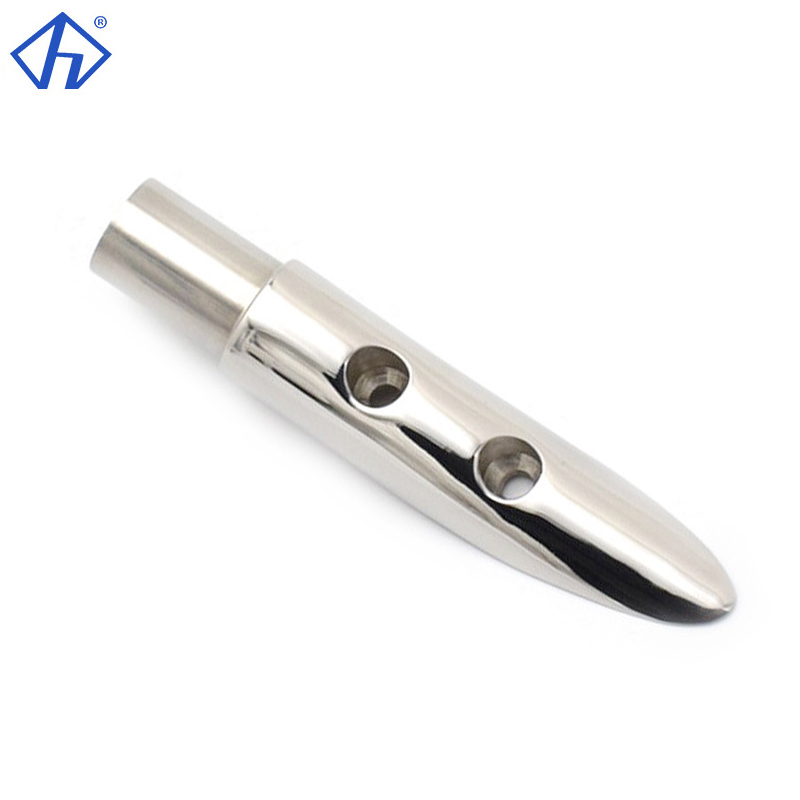
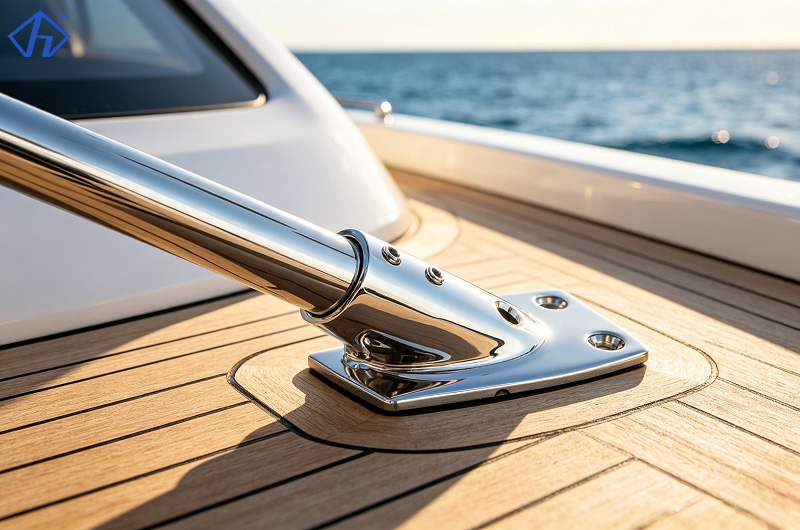
Stainless Marine Handrail End Fitting(110*23mm) Boat Railing Mount End Accessory

Our company’s handrail end fittings are exquisite surface looking that is constructed by casted stainless steel, corrosion resistance, sturdy for long usage time ,smooth polished finish ,not easy to deform. All of our company’s casted rail fittings are guaranteed high quality grade ,welcome to free consultation and application advice.
Read More
Polished Handrail End Fitting

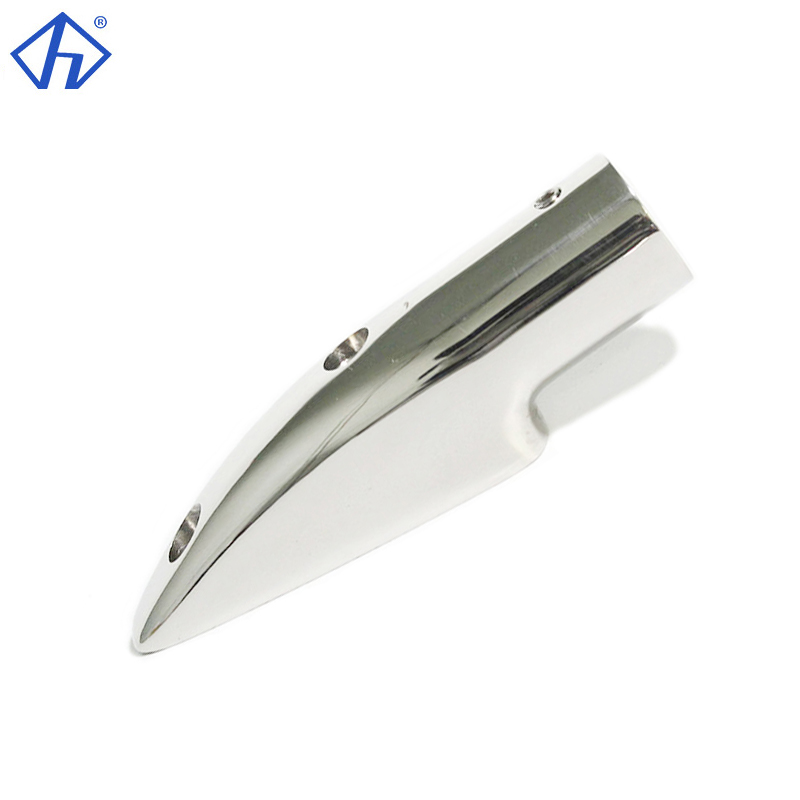
Polished Handrail End Fitting For 1”Tubing (125*33*32mm) Yacht Grab Handrail End Fitting

Polished grab handrail end fittings is typically used on the boat as well as both ends of the hull rail and ladder. Yacht grab handrail end fittings made by HIEVER have advanced design, constructed by premium, wear-resistant, and anti–corrosive materials stainless steel 316 with smooth mirror finishing.
Read More
Stainless Stud Mount Handrail

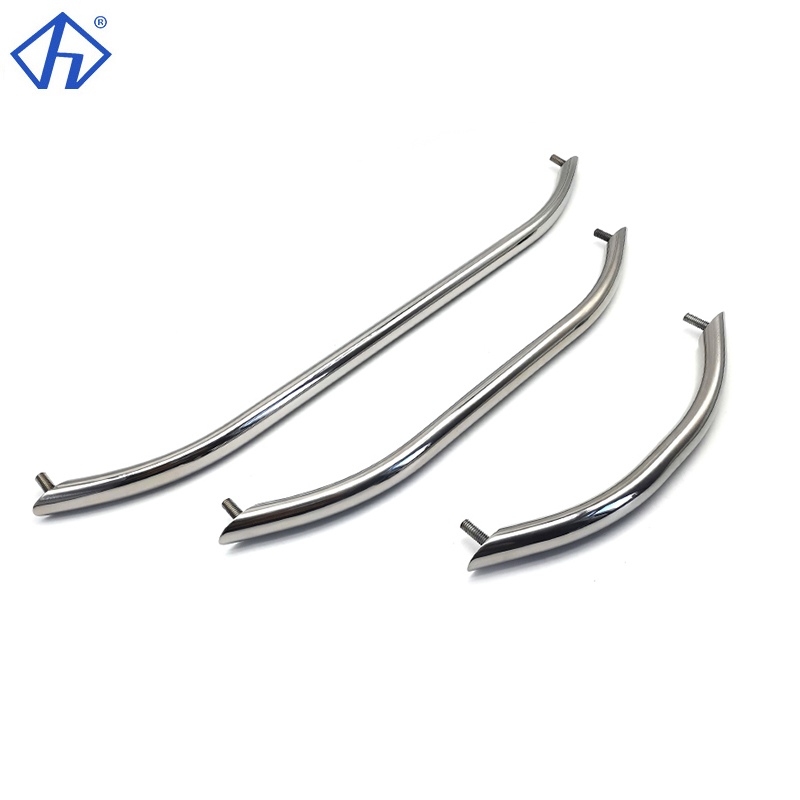
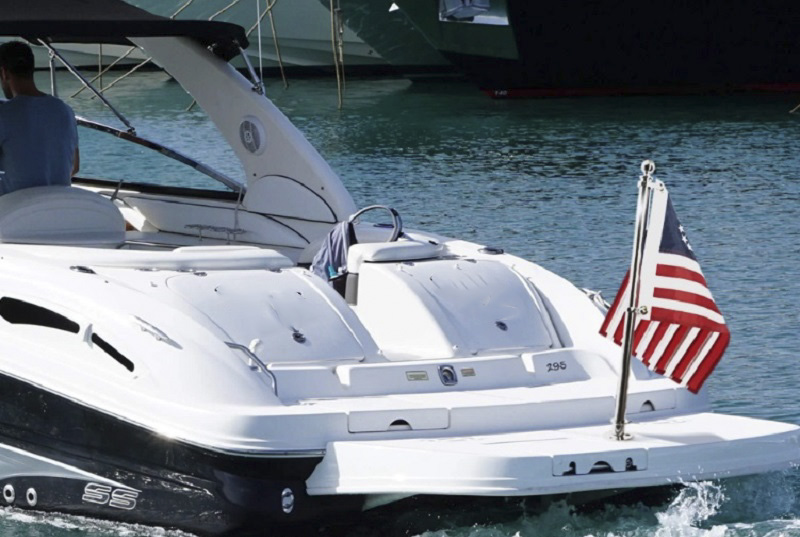
Stainless Stud Mount Handrail Polished Boat Grab Handle

Stainless stud mount handrail is polished marine boat grab handle,with excellent anti-corrosion and anti-rust properties. Except used for yacht and ship,also widely used for camper RV,industrial platform and other commercial project.
Read More
HOME ABOUT3
Features

Sign Up and Never Miss a Deal Again

We are committed to providing our customers with excellent service, competitive pricing, and a wide variety of products to choose from.

    Your Name*

    Email*

    Tel*

    WhatsApp*

    Message*

    Latest News

    Check out our blog posts

    View More
    Structural & Material Innovations in Modern High Performance Diesel Deck Fillers

    Structural & Material Innovations in Modern High-Performance Diesel Deck Fillers

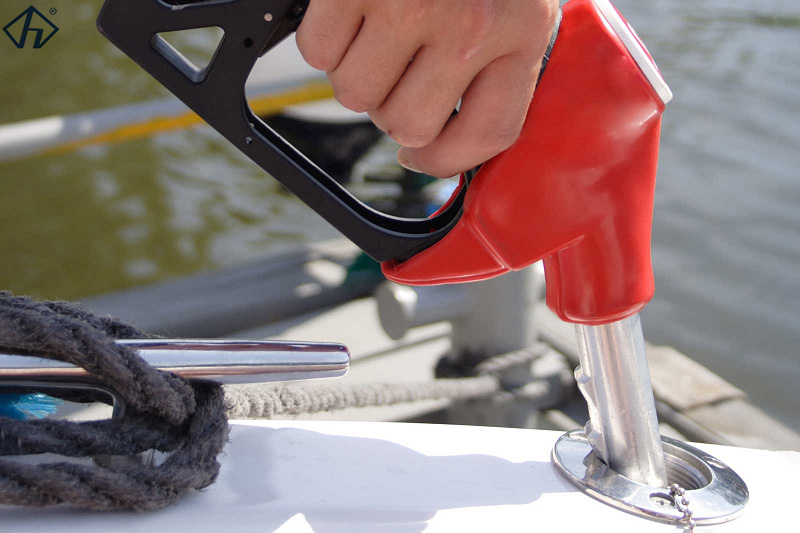
    Efficient atmospheric venting plays a key role in improving refueling efficiency for diesel deck fillers. When fuel goes into the tank, displaced air needs to exit smoothly. This prevents turbulence or backpressure. Such issues could lead to spillage or premature nozzle shutoff. The atmospheric venting capacity decides how well this air displacement happens. It directly affects the refueling flow rate and operational safety. Key Mechanisms Behind Venting Performance The main mechanism of venting performance involves allowing balanced airflow between the tank interior and the ambient environment. Proper vent design makes sure that as fuel fills the tank, air leaves without creating vacuum pockets or pressure surges. Bigger or better vent openings cut down turbulence. They also permit consistent flow velocity even under high fueling rates. Adding anti-splash or vapor-separation features boosts safety. These features reduce aerosol formation and keep a clean fueling interface. Overall, these mechanisms help maintain stable pressure equilibrium during refueling operations. The Relationship Between Vent Flow Rate and Refueling Speed The link between vent flow rate and refueling speed is straightforward. A higher vent capacity permits quicker fuel transfer. It does this by reducing resistance within the filler neck. On the other hand, poor venting causes nozzle backflow or automatic shutoff. This happens due to pressure buildup. Today’s design processes use computational fluid dynamics (CFD) simulations. These tools model air displacement efficiency. They also optimize filler geometry for real-world conditions. This data-driven method lets engineers improve internal pathways. These pathways balance both liquid and gaseous phases during fueling. As a result, operations run smoother across different flow conditions. What Design Factors Define the Performance of Diesel Deck Fillers? Modern diesel deck fillers are carefully engineered systems. They meet strict marine and industrial standards. Meanwhile, they offer high reliability in kinds of operating environments. Their performance relies on structural geometry, sealing integrity, material selection, and corrosion resistance. All these elements help ensure steady refueling efficiency. Structural Innovations in Filler Neck Geometry Recent innovations in filler neck geometry have created designs that lessen turbulence while improving flow uniformity. Curved inlet paths direct fuel smoothly into the tank. This reduces splashing and vapor lock risks. Smooth internal surfaces improve drainage characteristics. They prevent residue buildup that might harm sealing performance over time. Modular setups let vessel operators adjust assemblies based on spatial limits or system needs. This increases adaptability for different vessel types. This angled hose 30° deck fill works best when installation space is tight or when pipe routing requires smart changes. Such a design shows how current engineering adjusts filler geometry for limited spaces. It does so without harming hydraulic performance. The 30-degree precise bend design aids efficient fluid transition. It also keeps optimal vent alignment. Material Selection and Corrosion Resistance Considerations Material choices greatly affect long-term durability for diesel deck fillers in marine settings. The angled hose deck fill uses marine-grade 316 stainless steel in a one-piece casting process. This provides strong corrosion resistance and salt resistance.  It keeps stable even under harsh marine environment. marine-grade stainless steel (AISI316) is much better than AIS304. Thanks to its higher molybdenum content,it can offer better protection against chloride-induced corrosion. Aluminum alloys might be more suitable when it need big reduction. However, they need surface treatments like anodizing or electro-polishing. These help them last in salt-heavy environments. Why Is Atmospheric Pressure Management Critical in Diesel Filler Systems? Atmospheric pressure management keeps equilibrium between internal tank pressure and external ambient conditions during fueling. If this balance fails, it can cause vapor emissions, leaks, or structural stress on filler parts. Pressure Equalization Techniques Used in Modern Fillers Advanced diesel fillers include built-in breather valves. These automatically control internal pressure changes as tanks fill or empty. Dual-channel vent paths separate liquid return from air escape routes. This lowers turbulence and keeps steady airflow dynamics. Moreover, advanced sealing mechanisms stop vacuum formation when tanks cool after refueling. They thus protect mechanical integrity and meet environmental rules. Environmental Implications of Improper Venting Bad venting harms operational safety. It also adds to environmental harm through volatile organic compound (VOC) emissions. Overpressure events can damage hoses or fittings. This leads to repair downtime and higher costs. Better vent control helps follow international marine environmental protection standards like MARPOL Annex VI. It does this by cutting vapor release during fueling. How Can Manufacturers Improve Fueling Efficiency With New Ideas? Manufacturers now add digital tools and precise making methods to diesel filler systems. This matches sustainability aims while boosting mechanical efficiency. Integration of Smart Monitoring Technologies The built-in sensors can monitor factors, such as fuel flow rate, temperature changes, and vent status in real time. Data analytics platforms review these details. They predict maintenance times based on real use, not set schedules. Wireless links allow remote checks for fleet operators. This helps manage potential issues before they stop operations. Advancements in Manufacturing Precision and The Enhancements of Quality Control CNC machining technology can ensure the accuracy reach to micrometer range. This is vital for dependable sealing between filler caps and necks. Automated leak testing checks product strength before shipping. It upholds zero-defect standards. Additive manufacturing speeds up prototyping of custom shapes for specific vessel setups or industrial needs. This quickens innovation without lowering quality checks. How Does Yantai Hiever Metalworks Contribute as a Reliable Deck Filler Supplier? Yantai Hiever Metalworks Co., Ltd has earned a reputation as a skilled producer of durable marine hardware. Their products withstand harsh sea conditions. The company focuses on making high-performance stainless-steel parts, such as diesel deck fillers. These use investment casting with AISI316 material grades. Their emphasis on corrosion resistance fits global maritime needs. In saltwater exposure, materials must show great resilience. Their promise to quality and innovation stands out. Hiever’s deck filler and tank vent use 316 stainless steel throughout. This ensures steady anti-corrosion strength in all product lines. It covers compact angled hose fillers for tight spots to full-size industrial-grade units for commercial vessels. Additionally, modern CNC machining provides exact size control. This precision guarantees sealing reliability. It prevents leaks during temperature shifts common at sea. The company’s R&D efforts highlight multi-layer seal designs. These lengthen service life and cut maintenance needs for users around the world. What Are the Key Idea from the Analysis of Diesel Fillers? The growth of diesel filler technology highlights a move toward combining aerodynamic vent design with smart monitoring systems. This aims for better refueling efficiency. Atmospheric venting capacity stays central. It supports performance consistency and environmental compliance in next-generation systems. Core Insights from Current Developments Improved vent geometry boosts airflow balance during fast fueling. It reduces backpressure effects in filler assemblies. Material progress, especially via precision investment casting with SS316, lengthens service life. It also lowers maintenance in corrosive marine settings. Smart monitoring setups allow predictive maintenance. This shifts from reactive fixes to proactive care. Together, these advances make modern diesel deck fillers more than simple parts. They actively support sustainable vessel operations. The focus is on safety, reliability, and environmental care over their full lifecycle. FAQs What is the role of atmospheric venting capacity in diesel deck fillers? Atmospheric venting capacity decides how well air leaves the fuel tank during refueling. It stops pressure buildup that might slow fuel delivery or cause overflow. How do modern diesel fillers reduce environmental impact? New-generation fillers add vapor-sealing mechanisms and controlled vent paths. These cut VOC emissions while keeping efficient airflow balance during fueling. Why should marine operators consider suppliers like Yantai Hiever Metalworks Co., Ltd? Dependable suppliers like Yantai Hiever offer precision-engineered parts. These undergo strict quality tests. They ensure safe work, durability, and rule compliance in various marine settings.
    Boat Drain Plugs A Comprehensive Guide

    Boat Drain Plugs A Comprehensive Guide

    Boat drain plugs are essential parts that help keep a vessel’s structure strong. They control water coming in and going out. Proper use of these plugs makes sure a boat stays afloat, steady, and secure while in use or when stored. If you lack a good drain plug, even small leaks might harm the hull’s work or cause major problems. The Function of a Drain Plug in Marine Applications A drain plug acts as a basic seal. It stops outside water from getting into the hull when the boat is in the water. Plus, it lets built-up bilge water drain out quickly after trips or during upkeep tasks. By keeping inside areas dry, it helps with float and steadiness. This leads to reliable control and protection on the water. Common Types of Boat Drain Plugs Threaded Drain Plugs: These use screw threads for a firm, safe fit. They work well on boats that face lots of shaking or choppy seas. Snap or Flip-Style Plugs: These allow fast removal and no-tool handling. People like them for small boats where ease matters most. Expansion Rubber Plugs: These grow when squeezed to make a flexible seal. They fit odd-shaped holes or short-term setups nicely. Materials Commonly Used for Drain Plugs Brass: It resist rust well and can keep mechanically in sea environment. Stainless Steel: This stainless steel material can last a long time and stays robust for many years. It works especially well in salty water. The boat marine floor drain gets better strength and life from casting 316 stainless steel. Its surface has a fine mirror polish and resists rust well in salty water. Nylon or Plastic: These are light and cheap. They fit small leisure boats best where cutting weight is key. How to Select a suitable Drain Plug for Your Yacht? Choosing the suitbale drain plug means that you should think about your yacht’s kind, the surroundings it faces, and how you like to handle the maintenance. A plug that does not fit right might cause drips or added strain on the structure when under force. What Factors Need You Consider When Choosing a Drain Plug? You need to match the plug with the hull’s build, like fiberglass, aluminum, or mixed materials. This decides if you pick metal or non-metal types. The right size makes sure threads grip without messing up. Fighting rust is very important. So, marine-grade metals like AISI 316 stainless steel are top recommendation picks for long use. Comparing Permanent vs. Removable Drain Plugs Permanent plugs cut down on the chance of losing them. They stay fixed to the hull. But they make draining less easy during care work. Removable plugs let you clean more easier. However, you have to manage them with care. This avoids losing them or sealing them wrong before heading out. Installation Requirements for Different Plug Types Threaded plugs need exact lining up with the hole’s threads. This prevents damage from twisting wrong. Rubber expansion plugs call for even tightening force. It creates squeeze without bending the parts. For snap-style plugs, check them often. Make sure the catch stays solid against shaking. How Should Boat Drain Plugs Be Installed Correctly? Good setup ensures a tight seal against different work conditions. Wrong placement can lead to tiny leaks. These leaks might grow worse over time from shaking and heat changes. Preparing the Drain Hole Before Installation Clean the drain spot fully of dirt, old glue, or rust bits. Look over the surface closely. This spots worn threads or uneven seats that might hurt the seal’s work. Step-by-Step Installation Process Put on sea-grade sealant that matches the plug’s material if the manufacture need Push the plug in firmly with steady force. Too much force might ruin threads or break parts. Test with some water after setup. Check for no leaks before using the boat fully. How to Avoid The Common Mistakes During Installation ? Twisting metal plugs too hard often harms threads. This cuts their sealing power later. Picking wrong sealants can break down rubber parts slowly through reactions. Skipping regular checks might let hidden wear build up. That could cause quick breakdowns on trips. How To Maintain Boat Drain Plugs Effectively? Steady checks lengthen the life of these parts. They also stop risks from rust or tired metal breaks. Periodic Inspects to Ensure The Optimal Performance Check the seals, gaskets and O-rings before every time outing. Check for lost bounce or clear splits. For metal plugs, watch for pit marks from rust. This happens a lot in salty areas. Swap them out if they show damage. Cleaning After Use in Saltwater Environments Clean all metal accessories with clean water after each excursion. This removes salt bits that speed up rust. Marine floor drains can stop water from coming back into the boat. Use anti-rust spray now and then. It keeps moving bits like threads or levers working smoothly. Replacement Guide for Worn or Damaged Plugs If you see splits, drips, or bending near the seal, please change it right away. Keep extra ones on board. This is smart boating practice. It readies you for surprises at sea. Why Choose Yantai Hiever Metalworks Co., Ltd as Your Drain Plug Supplier? Yantai Hiever Metalworks Co., Ltd. leads as a top maker of carefully built sea tools. They focus on tough water settings. Key Advantages of Partnering with Yantai Hiever Metalworks Co., Ltd Marine floor drains can prevent water from flowing back into the ship. Our casting deck drains last longer and have a polished surface for simple cleaning. The company uses AISI 316 stainless steel. This gives better rust fight than regular 304 stainless steel. The reason is its molybdenum, which boosts handling of salty water. Their mirror-polished finish adds nice looks. It also cuts down on dirt buildup on deck spots. This helps lower upkeep over time. Hiever’s making skills include investment casting. This method creates exact parts with steady sizes in big batches. So, each drain plug hits world quality rules that pro sea users need everywhere. Their items go beyond yachts and fishing boats. They reach offshore setups where steady work under heavy use is vital. This shows their building skill based on deep metal knowledge. What Are the Latest Innovations in Boat Drain Plug Design? New sea tool designs mix better materials with clever features. The goal is to boost ease for users and cut upkeep needs. Emerging Materials Enhancing Durability Mixed polymers now match metals in strength while being lighter. This helps where saving fuel counts. Stainless steel types with tiny ceramic layers fight salt-based rust better in sea work. Casting floor drain are durable and can withstand the high frequency use and heavy pressure of ship operations. These changes stretch out how long they last compared to old brass parts. They keep solid form across big heat shifts. Smart Features Integrated into Modern Designs Plugs with built-in sensors spot small leaks on their own. This is the coming wave in upkeep ahead of time. Fast-open styles make yearly draining simpler. They allow no-tool pull-out even in tight spots. Pro teams value this when handling many boats at once. Conclusion Boat drain plugs are tiny but vital pieces in a boat’s safety setup. Pick them wisely based on fit. Set them up right with good steps. Keep up with checks tied to the water you face. This way, users get steady trust in all kinds of sea work. Makers like Yantai Hiever Metalworks Co., Ltd show how exact building with top stainless steel lifts both steady work and sure handling for boat groups around the world. FAQs Q1: How often should the boat drain plugs be replaced? A1: How often you replace them depends on the material quality? And how much you use the boat. It usually falls between two to three seasons. Swap earlier if you see clear wear from lots of salty water trips. Q2: Can one type of drain plug fit all boats? A2: No. Boats differ in hull shape, size needs, thread setup, and fit style. Always check the maker’s papers to confirm it matches before putting it in. Q3: Is it necessary to use sealant with every drain plug installation? A3: Not always. Some types have built-in seals that keep water out on their own. Still, adding sea-grade sealant boosts guard against small leaks. This is key in high-force spots like open-sea paths where the hull bends often.
    SS316 hinge stamping type

    Unveiling the Power of 316 Stainless Steel Hinges

    The strong results of 316 stainless steel hinges come from their smart ingredients mixing. This mixing contain chromium, nickel, and molybdenum in exact amounts. Such a metal setup boosts both physical and chemical steadiness. The material has high durability under tough surroundings. Molybdenum distinguishes 316 stainless steel diffrent from other stainless steel. It greatly enhance protection from spot corrosion. The Role of Molybdenum in Corrosion Resistance Molybdenum is the important part in building the alloy’s guard against chloride-based corrosion. It creates a shielding passive layer on the surface. This layer fixes itself if scratched or harmed. Thus, it keeps offering steady defense against rusting. This trait suits 316 stainless steel hinges for sea and factory uses. In those places, contact with saltwater or sour materials happens often. Also, adding molybdenum greatly raises pitting defense. It stops structure breakdown over long use periods. Therefore, these hinges keep the high strength even in site environment that would quickly damage the hinges like 304 stainless steel. 316 Stainless Steel Hinges’s Performance in Harsh Environments. Built for toughness, 316 stainless steel hinges give top results when facing water, chemicals, or salt-filled air. Their excellent anti-corrosion ensure long life in easily damage metal part. Resistance to Marine and Chemical Exposure The alloy makeup of 316 stainless steel stops rust even after long touch with saltwater or factory chemicals. This feature makes these hinges vital for ship making, sea platforms, and chemical handling sites. There, air chloride levels are high. When compared to weaker choices like 304 stainless steel, 316 types show longer use life. They do so because of better defense against rusting and surface wear. Their skill to hold looks and function despite ongoing contact highlights their fit for high-work settings. Performance in Extreme Temperatures and Outdoor Conditions 316 stainless steel keeps physical wholeness across wild heat changes—from below zero areas to high heat spots—without losing size steadiness or weight-holding power. Plus, its UV defense means long sun exposure does not harm material work or looks. These traits make it a top pick for outside setups that need little upkeep. At the same time, they keep work trust over years. The 316 Stainless Steel Hinges Are Suggested for Industrial Applications. Factory tasks need parts that blend exact building with great lasting power. The 316 stainless steel hinges meet these needs as their frame strength, clean surface traits, and build flexibility. Applications Across Multiple Sectors These stainless industrial hinges see wide use in fields like sea building, drug making, food handling machines, and power system setups. Their non-reacting surface stops dirt and fits strict clean rules needed by areas dealing with touchy items. In heavy tasks—such as machine entry doors or big covers—their solid build ensures even movement handling. It also supports big weights without shape change. Design Variations Enhancing Functionality Makers provide many setups. These include butt hinges for everyday use. There are also continuous (piano) hinges for even weight spread. Concealed types suit looks-focused installs. Lift-off designs allow fast removal for upkeep work. Each setup is tuned to boost setup speed and work trust. Moreover, custom making choices let changes for special factory needs. Here, size exactness or surrounding fit matters a lot. How Does the Manufacturing Process Influence Hinge Quality? The worth of a 316 stainless steel hinge relies much on exact making steps. These steps ensure size correctness, surface evenness, and wear resistance. Precision Engineering Techniques Modern CNC cutting tools are used to hit tight limits in all making groups. This exact level promises steady fitting during putting together. It also cuts physical wear as time goes on. Smoothing steps further boost anti-rust power by lowering surface bumps where dirt might build up. Strict check rules test each hinge’s frame wholeness before sending. This ensures they match buyer details and world rules. Surface Finishing and Quality Control Standards Electro-smoothing is often used to clear tiny dirt while bettering both looks appeal and rust shield skills. Passivation steps strengthen the natural oxide coat on the metal’s surface. They add an extra wall against surrounding attacks. Makers who follow ISO and ASTM rules make sure every hinge hits world-known marks for work trust and safety checks. What Are the Key Advantages Over Other Materials? Picking 316 stainless steel hinges over brass, aluminum, or carbon steel picks gives real gains over their work life. Comparative Durability Analysis In damp or rusting spots, 316 stainless steel lasts much longer than other items. This happens because of its self-fixing passive coat that keeps guarding against rusting. Its better strength-to-weight balance ensures frame efficiency without extra weight. That is a key point in air or sea uses where cutting weight counts. Further, low upkeep needs cut stop times linked to cleaning or swap cycles seen with less tough items. Economic Value Across Service Life While starting costs might be more than basic alloys, total own costs drop a lot over time. This comes from fewer swaps and lower upkeep calls. Better trust cuts work breaks in factory flows. It also keeps long-term looks quality. That gain is especially wanted in building projects where steady views matter. Who Is Yantai Hiever Metalworks Co., Ltd and Why Are They a Reliable Supplier? Yantai Hiever Metalworks Co., Ltd has gained notice as a trusted maker. They focus on top-grade stainless-steel hinge fixes made for world markets that want full quality rules. Company Expertise and Product Offering Range The firm centers on making high-work hinges from both 304 and 316 stainless steels. They use top tools able to exact changes for varied factory buyers around the world. Their focused R&D group keeps improving item builds. They aim to raise lasting power, rust defense, and weight-handling skill. This ensures each hinge works well under hard conditions. Commitment to Quality Assurance Yantai Hiever uses tight check steps at every making point. They keep size correctness and test material wholeness before sending out. The firm sticks to world cert systems that match global factory needs. They also give full after-sales help. This stresses long-term buyer joy through tech aid and item lasting plans. Final Thoughts on Harnessing the Strength of 316 Stainless Steel Hinges The lasting worth of 316 stainless steel hinges rests in their blend of metal smartness, physical bounce-back, rust defense, and used for many fields. These range from sea building jobs open to seawater spots to building frames needing both work and build polish. Thus, they become popular with users who looks for steady long-term work. FAQs Of SS316 Stainless Steel Hinges What places are the 316 stainless steel hinges most suitable for using? They fit best in sea spots, outside setups open to weather changes, chemical sites handling rusting items, and food-making places needing clean surfaces against dirt. How can we maintain stainless steel hinges’ surface finishing? Regular cleaning for keeping the shiny looks with soft soap mixes or special stainless-steel cleaners . It also stops build-up of dirt that might harm rust shield skill after using long time. Are custom sizes or configurations available from Yantai Hiever Metalworks Co., Ltd? Yes—Yantai Hiever Metalworks Co., Ltd gives made-to-order hinge fixes fit to exact buyer needs. These include size changes, fitting styles, material thickness tweaks, and special coats made for one-of-a-kind work spots that call for exact work results.
    yacht stainless oil water filler accessories

    Cross-Contamination Prevention Engineering Sealing Redundancy in Freshwater Deck Fillers

    Sealing redundancy stands as a basic engineering idea in marine hardware design, especially in freshwater deck fillers. Here, keeping water clean matters a lot. The idea makes sure that if one sealing part breaks down, another separate barrier still guards against outside entry. This method cuts down the chance of mixing in seawater, fuel leftovers, or dust from the air during boat work.   Key Principles of Redundant Sealing Design Systems with several sealing layers work as step-by-step defenses against liquid entry. Each layer runs on its own. It gives extra safety if another seal wears out or gets damaged. Material fit is key to this setup too. Each gasket or O-ring needs to keep its bounce and resist chemicals after long time in sea settings like salt mist and sun rays. Choosing the right sealing materials such as EPDM or fluorocarbon compounds brings steady dependability over time. These items hold up well against swelling and breakdown when faced with heat shifts and salt level changes that boats often meet at sea. Engineering Considerations for Effective Redundancy Designs for deck fillers include ways to balance pressure. This helps lower strain on seals from differences in pressure between the tank inside and the outside world. Experts fine-tune seal shapes and squeeze levels using computer models and real tests. They aim for steady sealing work even after many cap uses. Factors like heat changes, moisture levels, and salt amounts also come into play during planning. These help forecast how long seals will last with good accuracy. How Does Cross-Contamination Occur in Freshwater Deck Fillers? Cross-contamination in freshwater deck fillers can happen from various mechanical, material, or process issues. When unwanted things like seawater or fuel enter freshwater storage, they harm cleanliness on board and safety during operations. Common Sources of Contamination Flow back from nearby tanks ranks as one of the top reasons for contamination. It often stems from weak valve separation during refueling or upkeep tasks. Failures in caps or seals let seawater in during deck cleaning or rain. Plus, germs can grow in filler necks where old water sits and builds up. Mechanical and Material Vulnerabilities Gaskets made from unfit materials break down under sun rays or chemical contact. This creates tiny leak routes as time passes. Rough machining on parts can leave small openings where unwanted items slip in, even if things look tight. Breaches from rust add to the problems. Once metal parts start to rust, they get rough. This hurts the smooth touch needed for strong seals. Why Is Engineering Precision Critical in Deck Filler Design? Precision in engineering sets the steady work and length of use for marine deck fillers. Small errors in size can cause uneven squeeze on gaskets. That leads to drips or early damage. Design Tolerances and Manufacturing Accuracy Strict cutting limits cut down on mismatches between filler parts. This ensures even spread of force over sealing areas. Smooth finishes on surfaces boost gasket work too. They remove tiny rough spots that might scratch rubber seals during squeeze times. Tools like CNC machining let makers copy exact shapes in large runs. This brings steady quality checks. Testing Protocols for Verification of Seal Integrity Tests with water pressure check if a system holds no leaks under real stress levels. Methods using helium spot tiny flaws that normal checks miss. This gives strong trust in the product’s strength. Tests for fast aging mimic years of weather in just weeks. They expose seals to switches in heat, wetness, and salt levels. How Can Maintenance Practices Enhance Sealing Performance? Regular upkeep helps keep redundant sealing strong over a boat’s full working years. Inspections and Replacement Time Interval The planned inspections should focus on checking whether the gaskets and covers have any early signs of bending or cracking.Do this before they stop working right. Times for swaps vary by hours in use and weather strains. But they usually fall between one and three years for sea-tough rubber parts. Sticking to parts from the original maker keeps new seals matching the first ones exactly. Cleaning and Storage Procedures for Deck Fillers Wash with fresh water after each time to stop salt from building up near seals. That buildup could scratch surfaces as it dries. Covers that protect keep open fittings safe from sun damage when boats stay at dock for long stretches. Rub on lubes that work well with rubber to keep them bendy. Yet, these should not harm the material’s hold together. How Does Yantai Hiever Metalworks Co., Ltd Support Reliable Deck Filler Solutions? Deck Filler & Tank Vent serve as key basic gear for sailing. Yantai Hiever Metalworks Co., Ltd has built the namecard that they are skilled maker focused on tough marine hardware built to last in rough sea environment. Promise to Quality and Innovation Hiever’s deck filler and tank vent use 316 stainless steel all through. They build them to top levels. The firm’s choice of 316 stainless steel brings better fight against rust than cheaper options like 304 stainless steel. This comes from the molybdenum that boosts hold-up against sea water contact. Modern CNC machining gives exact size control. That matters for keeping sealing redundancy in many product types. Ongoing work in research and development targets better setups for multi-layer seals. These lengthen use time and cut down on upkeep needs. Global Supply Capability and Technical Support Yantai Hiever provides a wide range of items for different boat kinds, from fun yachts to work ships. This fits various freshwater setups. Options for changes let them adjust for special fit shapes or rules in different areas. A special team for tech help gives advice on right setup steps, ways to prevent issues, and fixes for problems. All this aims to boost time without breakdowns. What Are the Future Trends in Cross-Contamination Prevention Engineering? New tech is changing how engineers handle contamination control in freshwater setups. It uses better material knowledge and links to digital watching tools. Integration of Smart Monitoring Systems Sensors built in can spot small changes in pressure. They catch seal wear early, before any drips start. Data sent in real time goes straight to boat controls or far-off watch setups. This lets teams plan fixes ahead, not just react after trouble hits. Development of Advanced Seal Materials Mixed rubber types blend fluorocarbon with plastic strengtheners. They give stronger fight against chemicals and stay bendy in big heat ranges. Tiny particle coatings on metal parts cut down on rub wear between parts that move, like caps and threads. As a result, this lengthens both machine life and seal strength. Conclusion: Advancing Safety Through Engineering Excellence Stopping cross-contamination in freshwater deck fillers relies on careful engineering plans backed by extra sealing builds, material tweaks, and steady upkeep habits. Makers like Yantai Hiever Metalworks Co., Ltd show how exact building with top materials such as SS316 stainless steel can bring solid fixes. These protect water cleanness even in tough sea spots. FAQs 1. What materials are most effective for redundant seals in freshwater deck fillers? Sea-tough rubber like EPDM or fluorocarbon compounds stand out for their strong hold against UV rays, saltwater touch, and heat shifts. At the same time, they keep their spring over long periods. 2. How often should deck filler seals be inspected or replaced? Checks need to happen at least once each working season or after long trips. Swap times often span from one to three years based on how much use and what weather hits them. 3. Can Yantai Hiever Metalworks provide customized solutions for specialized vessel configurations? Yes, Yantai Hiever Metalworks offers custom-built deck filler plans fit to exact boat setups. This ensures they meet both work rules and needs for each client’s fit.      
    hiever material inspection before shipment

    What Is The Difference Between Stainless Steel AISI316 and AISI304?

    The compositions of stainless steel AISI304 and AISI316 differ somewhat.The main component of SS304 is chromium,molybdenum is absent. Although SS316 is base on SS304,it has a comparatively greater nickel content and molybdenum. SS316 is better suited for used in seawater because it contains molybdenum,which makes it resistant to corrosion from seawater and high temperatures.Even though SS304 resists corrosion well,it will rust if it works in harsh environments for a long time. The chemical composition of stainless steel 304/3016:   Generally speaking, SS304 is widely used in daily life such as furniture and public facility. SS316 stainless steel is widely used in marine hardware.If you have sufficient budget and high requirements for the product, you can choose SS316. If your budget is not high and you want to choose a cheaper product, you can choose SS304. Carrying out high standard quality control from raw materials to final finished product’s inspection is what an excellent manufacturer should have. Hiever’s industrial and marine hardware mostly use stainless AISI316,some customers may require SS304, OEM customized parts is acceptable and welcomed by our team. We have a very strict quality inspection process to ensure that every product meets your requirements. The link is our final quality inspection procedure which we use a handheld spectrometer for testing. You can trust the purity of the stainless steel we provide forever!  
    Process investment stainless casting -Hiever

    What’s Superiority of Stainless Investment Casting?

    Investment casting is widely used in the manufacturing industry. Compared with other casting technology, stainless precision investment casting has many outstanding superiority: High molding precision investment casting can produce high-precision industrial and marine hardware with smooth surface. Enable manufacturing Intricate industrial parts with complex shapes.If you have special OEM needs,we can customize the products you want according to your requirements. Strong material adapt ability that investment casting materials can be stainless steel, carbon steel, aluminum alloy and other metal materials. High production efficiency that investment casting can achieve large-scale standardized production for mass-produced orders. Accurate dimension that machining is less required of the stainless steel hardware. You may have questions that whether HIEVER stainless casting parts have these characteristics mentioned above? The answer is absolutely “Yes”. For high grade stainless investment parts ,you must rely on a skilled and knowledgeable investment casting factory because this is precision casting,which requires at least two weeks for mold development and at least 25 to 30 days for manufacturing.The most important fact,any mistakes made during the process will affect subsequent steps,and the damage or mistake of one process is typically irreparable which may lead to the defective products. Hiever factory has a very complete investment casting process management to ensure the superiority of stainless investment accessories and parts,and we can ensure that our casting parts are completed within the predetermined chart. Our investment casting technology is very mature many years ,and the hardware parts produced have smooth surfaces and almost no defects.    
    Home
    WhatsApp
    Email
    Contacts